Pediatrician explains how to choose the best content for children: ranking from Singing Reeds to AI stream.

Media content for children
According to Vox: Modern children have many options for consuming content. Among them are classic programs like Sesame Street, and new media titan – YouTube.
How can parents navigate this variety? What interaction with content will be the best for toddlers?
We discussed these questions with Dr. Jenny Radeski in the new episode of the Explain It to Me podcast by Vox.
Radeski is a pediatrician specializing in child development and behavior, working at the University of Michigan Medical School. She is also engaged in media studies and is the director of the Center for Social Media and Youth Mental Health at the American Academy of Pediatrics.
Changes in children’s media
She emphasizes that children's media have significantly changed.
“I grew up in the 1980s when we watched morning cartoons together while our parents slept,”she told Vox.
“Today, there is a plethora of on-demand content, and different platforms compete for children’s attention.”
Radeski also shared useful tips for parents regarding how children perceive media. Here are a few key points from our conversation, edited for convenience.
What media are best for children?
Can you evaluate the best children's media? What content is quality and why?
Our research team from the University of Michigan, along with colleagues from Georgetown, the University of Wisconsin, and Brigham Young University, developed a framework for assessing the quality of children's content.
“Quality” can be related to educational value or a well-told story that is meaningful to the child.Traditional shows like Sesame Street and Daniel Tiger’s Neighborhood, as well as newcomers like Bluey and Ms. Rachel, still remain the best examples. They may be slower-paced, but they have good humor and tell stories that reflect children’s experiences, helping them make sense of the world.
What about Cocomelon?
What is Cocomelon's position in children's entertainment?
“Cocomelon is quite mediocre,”she notes.
“It has superficial educational content with many funny moments that only hold attention for a short time.”
Interaction with content
We discussed what children watch, but how do they do it?
This is an important question. Research has been conducted on how children interact with books in print and on tablets. Children create more “personal space” with a tablet.
“It’s just me and the tablet, I’m in this sensory cocoon, playing a game.”They do not see it as something to share, unlike a television or books.
We can teach children that media is for sharing, not for moments when everyone is stressed.
Despite new technologies, it is important for parents to remain attentive to their children’s media experiences. Choosing quality content and watching together can greatly enrich their development and interaction with the world. Parents should remember that media is not just entertainment, but also an opportunity for learning and communication.
Read also
- Three Ukrainians Without Documents Rescued from Occupied Territories Under Bring Kids Back UA Initiative
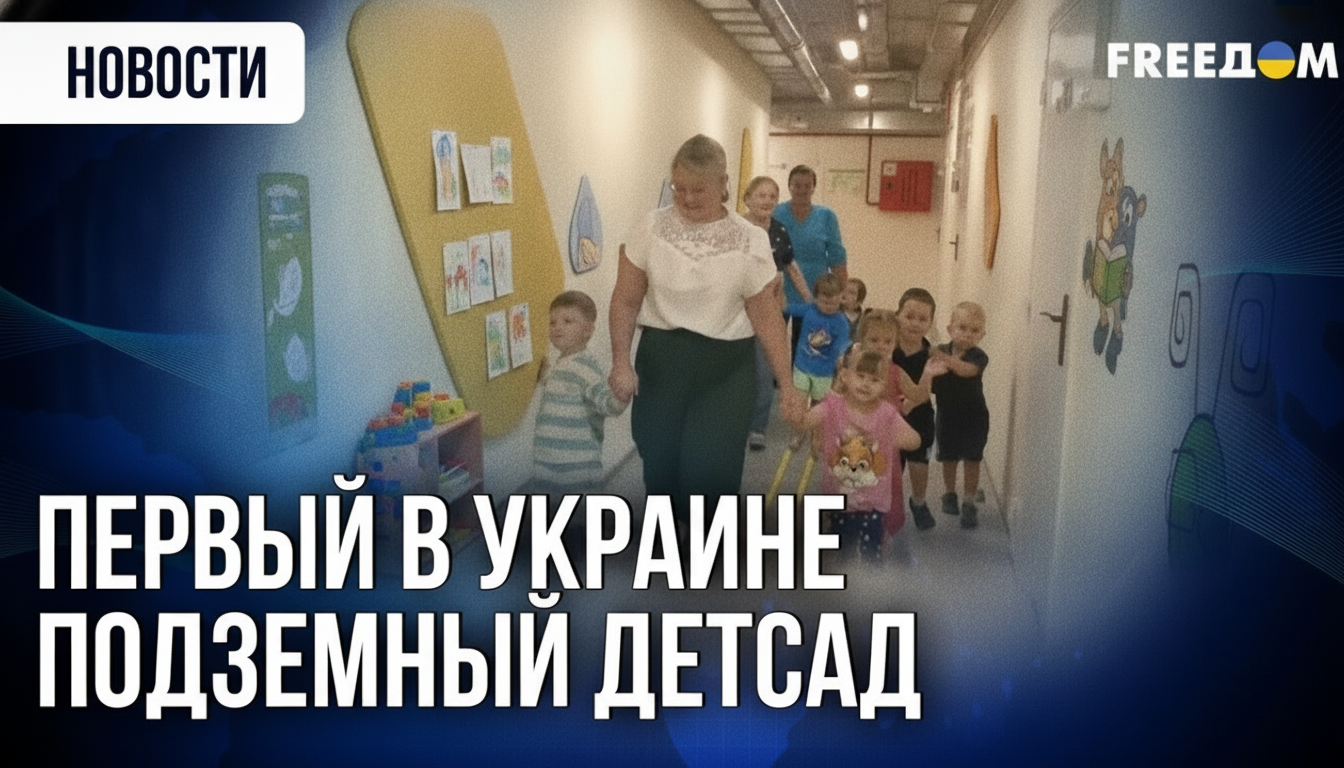
- Ukraine’s first underground kindergarten opens in Kharkiv, accommodating 260 children
- Ukraine's ports crippled by Russian strikes: 28 vessels hit, 21 killed
- 24 Children Rescued from Occupied Territories by Save Ukraine, Including Injured 13-Year-Old Anhelina
- Woman Faces Up to 7.5 Years in Prison After Attacking Children for Speaking Ukrainian in Poland
- One of the Most Recognizable Voices on Ukrainian Radio, Journalist Oleksandr, Has Passed Away