Ukraine Implements Pike Fishing Ban Through 2026: Key Dates and Reasons.

Ukraine's Pike Fishing Moratorium
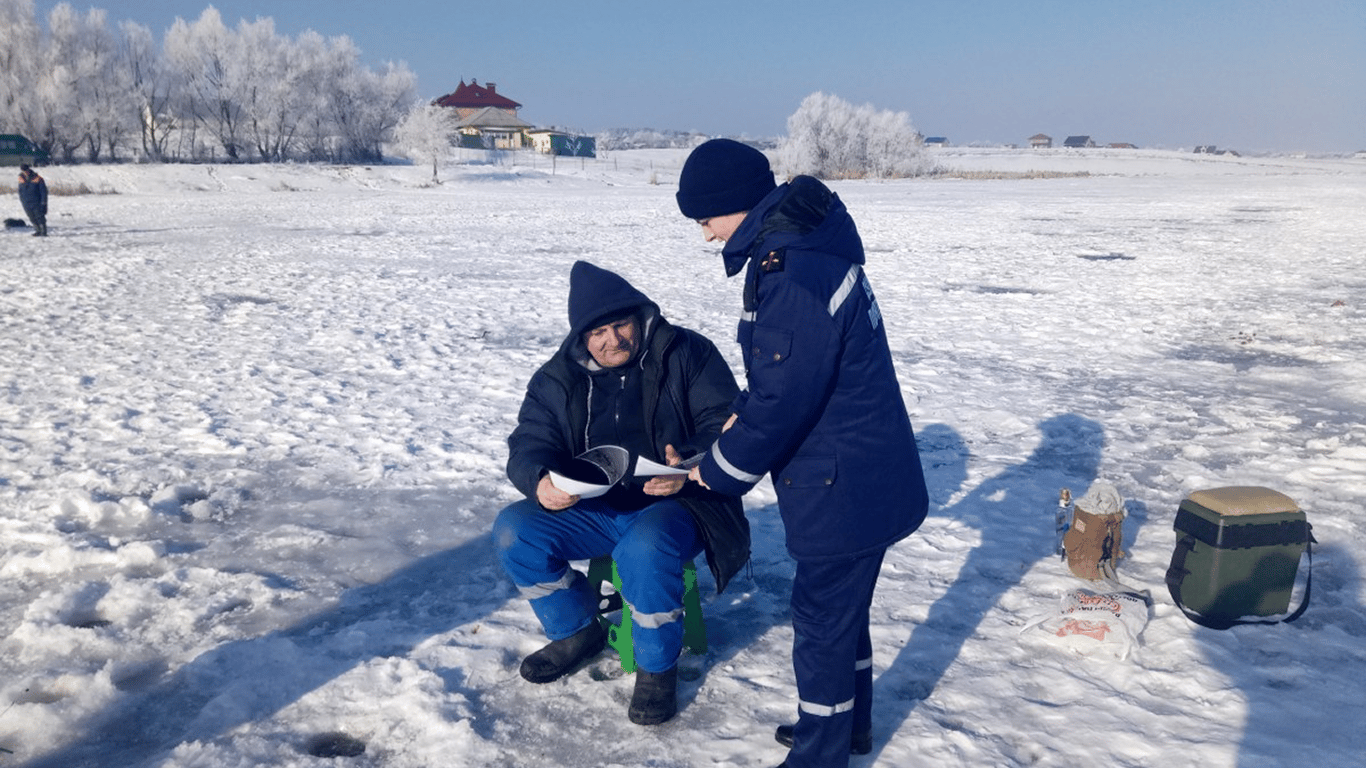
According to Novyny.live: Ukraine has instituted a ban on catching pike during its pre-spawning and spawning periods, effective from February 15, 2023, and lasting until March 31, 2026. This measure is designed to protect the population of this ecologically significant freshwater predator. Pike begin to spawn when water temperatures reach approximately +3–5 degrees Celsius, making this timeframe critical for the recovery of aquatic resources. This type of seasonal fishing restriction is a common conservation tool used in many countries to protect vulnerable fish stocks.
Enforcement and Penalties for New Regulations
A system of fines and penalties has been established to enforce the new rules. For a minor violation, under Part 3 of Article 85 of Ukraine's Code of Administrative Offenses (CUAO), anglers face:
- a warning or a fine ranging from 34 to 170 hryvnias;
- for a serious violation, under Part 4 of the same article, a fine of 340 to 680 hryvnias with confiscation of fishing gear;
- for causing substantial damage to fish resources, criminal liability applies: a fine from 17,000 to 85,000 hryvnias or imprisonment for up to three years.
Fishing community representatives stress the importance of adhering to these restrictions. Ihor Klymenok, a fisheries expert, noted:
'The spawning period is critically important for the restoration of aquatic bioresources. I ask anglers to understand the established restrictions, as preserving and increasing the populations of these native freshwater predators is our shared responsibility.' - Ihor Klymenok
Consequently, the new regulations aim to support the ecological balance in Ukraine's water bodies and ensure the conservation of pike as a key species. The responsibility for following these rules falls on all anglers, who must consider the consequences of their actions for future generations.
The pike fishing ban in Ukraine reflects growing attention to environmental issues and the necessity of preserving biodiversity. In the context of climate change and human impact on aquatic ecosystems, such initiatives become critically important for ensuring the sustainability of fish stocks. Adherence to these rules could significantly influence the recovery of pike and other fish populations in the future.
Read also
- Ukraine’s first underground kindergarten opens in Kharkiv, accommodating 260 children
- Ukraine's ports crippled by Russian strikes: 28 vessels hit, 21 killed
- 24 Children Rescued from Occupied Territories by Save Ukraine, Including Injured 13-Year-Old Anhelina
- Woman Faces Up to 7.5 Years in Prison After Attacking Children for Speaking Ukrainian in Poland
- One of the Most Recognizable Voices on Ukrainian Radio, Journalist Oleksandr, Has Passed Away
- Crimean Tatars Reclaim Their True History: How Valery Vozgrin’s Work Dismantles Russian Myths