Why Spreading Manure on Frozen Ground is a Damaging Winter Practice.

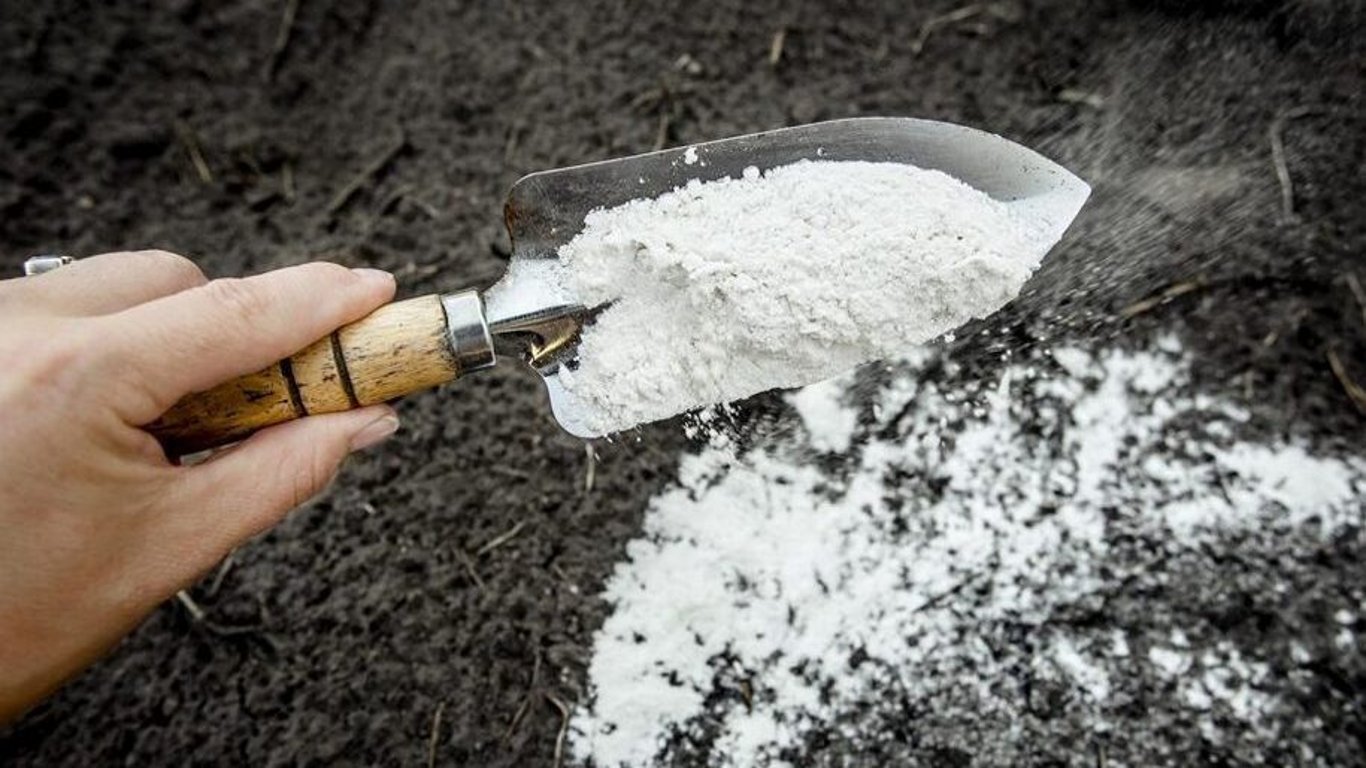
The Risks of Applying Manure to Frozen or Snow-Covered Soil
According to Novyny.live: Applying fresh manure to frozen ground or snow during winter is strongly discouraged, as it can harm soil health and future crop yields. Plants cannot absorb nutrients from manure in winter, rendering the application largely ineffective. More critically, come spring, the manure can 'burn' and damage the roots of young seedlings.
Furthermore, a significant portion of the nitrogen contained in the manure is lost through leaching or volatilization during the cold months, drastically reducing its fertilizing value. This practice also introduces weed seeds and pest larvae into the soil, which can negatively disrupt the agricultural ecosystem.
The Optimal Timing for Manure Application
Manure is a valuable resource when applied correctly. The recommended times are during autumn tilling, after it has been composted, or in spring using well-rotted manure only. Following these guidelines helps maintain soil vitality and creates optimal conditions for future plant growth.
Prohibiting winter manure spreading is a crucial measure for protecting farm ecosystems and boosting agricultural productivity. Research indicates that applying organic fertilizers at the right time not only improves soil quality but also reduces risks to plant health. This approach can also help decrease future reliance on chemical fertilizers, which would benefit the environment in regions with intensive farming practices. For many home gardeners and farmers in temperate climates, this is a key principle of sustainable soil management.
Read also
- Three Ukrainians Without Documents Rescued from Occupied Territories Under Bring Kids Back UA Initiative
- Ukraine’s first underground kindergarten opens in Kharkiv, accommodating 260 children
- Ukraine's ports crippled by Russian strikes: 28 vessels hit, 21 killed
- 24 Children Rescued from Occupied Territories by Save Ukraine, Including Injured 13-Year-Old Anhelina
- Woman Faces Up to 7.5 Years in Prison After Attacking Children for Speaking Ukrainian in Poland
- One of the Most Recognizable Voices on Ukrainian Radio, Journalist Oleksandr, Has Passed Away