The Hidden Logic of Khrushchyovkas: Bathroom Windows and Cold Storage Niches.

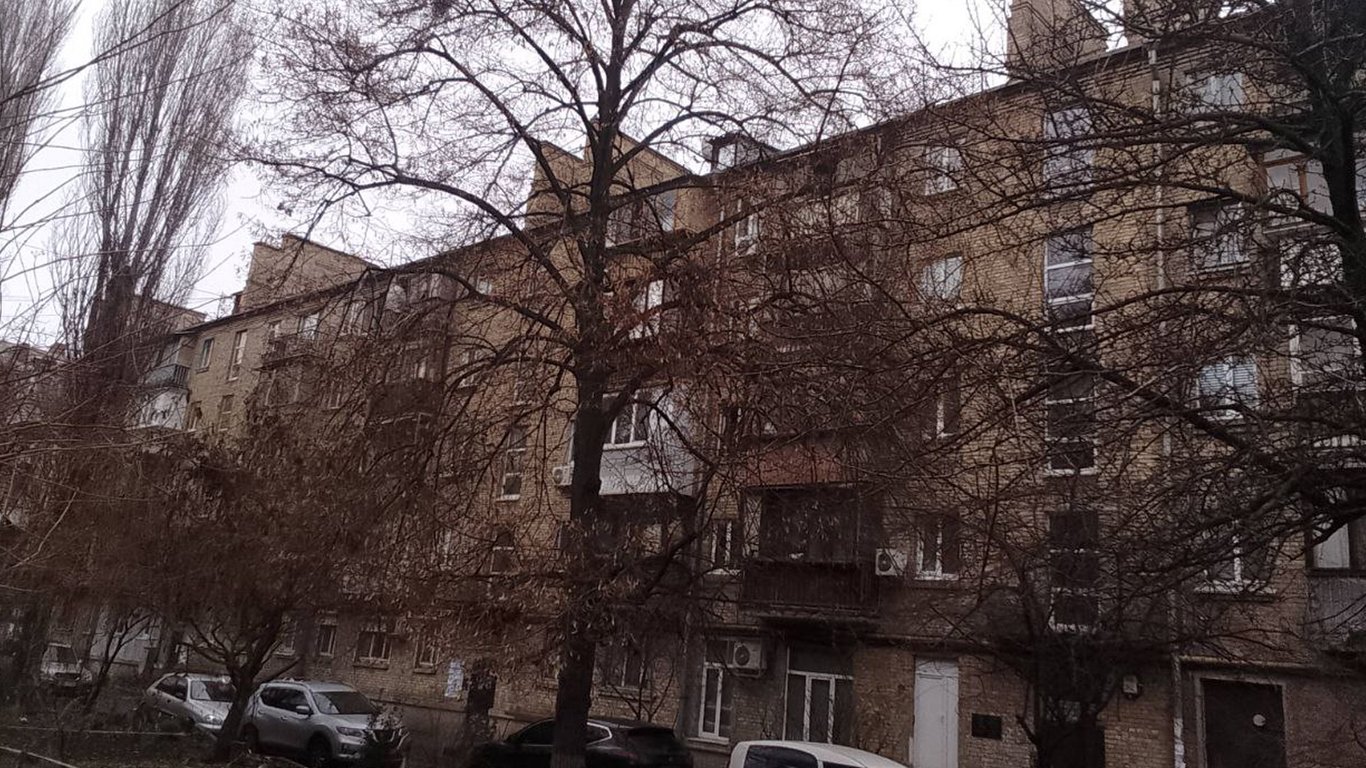
Decoding the Design of Soviet-Era Khrushchyovka Apartments
According to Novyny.live: Khrushchyovkas, the iconic prefabricated apartment blocks that symbolize Soviet mass housing, contain several ingenious design features born from necessity. One such feature is the small window often found between the bathroom and the kitchen. This was not a quirk of design but a deliberate feature to provide natural light and ventilation, a practice known as insolation. At the time of their construction, allowing sunlight into the bathroom was considered a crucial health measure to help combat tuberculosis, which was a widespread public health concern.
Another common trait is the inward-swinging front door. This space-saving solution was implemented to maximize usable floor area within the apartments' notoriously compact layouts. Every square centimeter counted in the drive to house millions of citizens as quickly and efficiently as possible.
Perhaps the most curious feature is the 'winter refrigerator'—a cold-storage niche built into the exterior wall beneath the kitchen window. In the 1950s and 60s, electric refrigerators were a luxury many could not afford. These thick-walled alcoves, sometimes equipped with a ventilation hole for better air circulation, used the cold outside air to keep food fresh during winter months. These apartment blocks are a common sight across the former Eastern Bloc, representing a specific era of urban planning.
Social Context and Lasting Legacy
Therefore, the architectural solutions seen in Khrushchyovkas were direct responses to the era's demands: a drive for public health, extreme space economy, and material scarcity. These features continue to be studied today as they offer a tangible reflection of the socio-economic conditions of their time.
First appearing in Ukraine in the 1950s and 60s, Khrushchyovkas provided homes for millions. Their designs not only adapted to shortages but also mirrored the evolution of social norms and communal living. Today, these buildings remain in widespread use, and their peculiarities intrigue researchers, architects, and historians seeking to understand how the past shapes our present urban landscape.
Examining the pragmatic architecture of Khrushchyovkas can inspire new solutions for modern, resource-efficient housing in an era of dense urban living and environmental constraints.
Read also
- Three Ukrainians Without Documents Rescued from Occupied Territories Under Bring Kids Back UA Initiative
- Ukraine’s first underground kindergarten opens in Kharkiv, accommodating 260 children
- Ukraine's ports crippled by Russian strikes: 28 vessels hit, 21 killed
- 24 Children Rescued from Occupied Territories by Save Ukraine, Including Injured 13-Year-Old Anhelina
- Woman Faces Up to 7.5 Years in Prison After Attacking Children for Speaking Ukrainian in Poland
- One of the Most Recognizable Voices on Ukrainian Radio, Journalist Oleksandr, Has Passed Away