Ukraine Bans Wood Collection Near Water Bodies: New Rules for Firewood Explained.

New Firewood Harvesting Restrictions in Ukraine
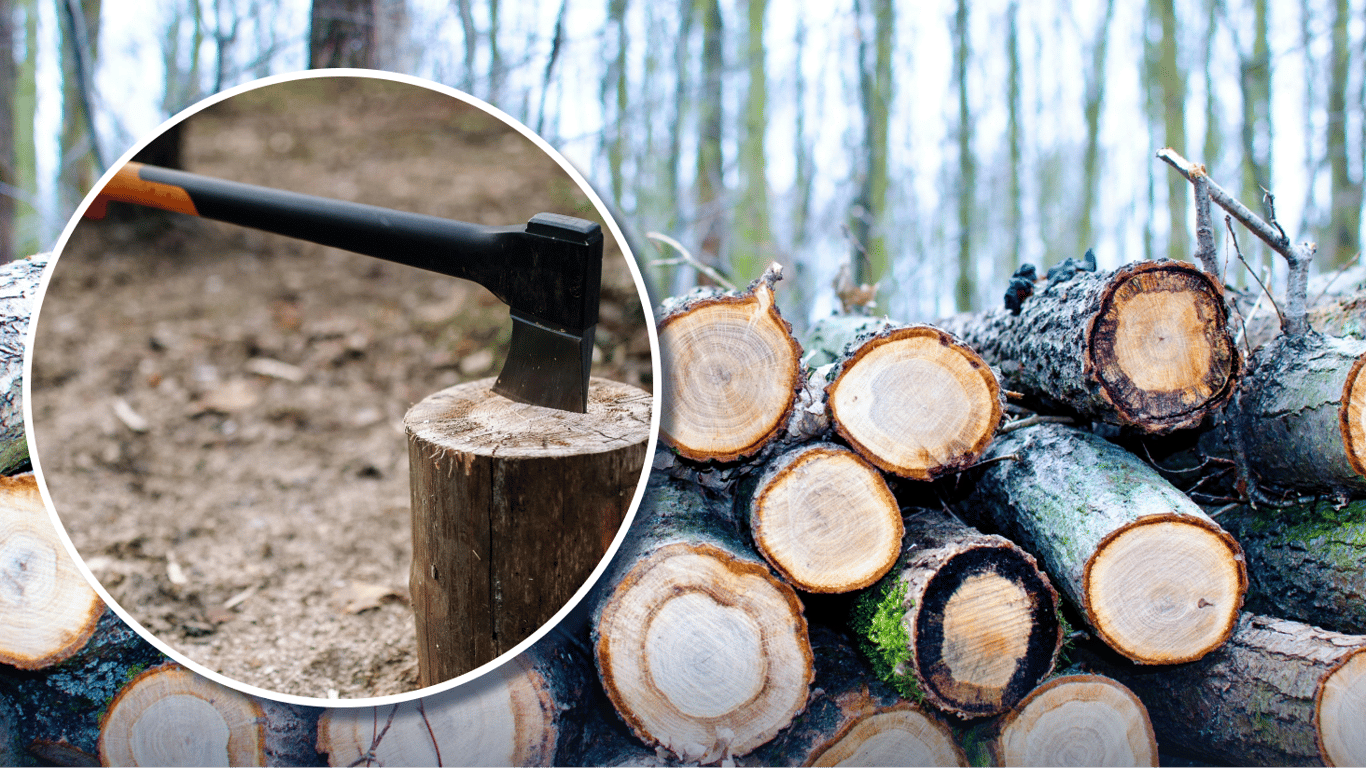
According to Novyny.live: Starting in 2026, Ukraine will prohibit the collection of firewood within protective coastal zones of water bodies, as well as on state or municipal lands. This policy is part of a broader effort to preserve natural ecosystems and strengthen environmental protection laws, aligning with European sustainability practices.
Firewood gathering is now permitted only on one's own private land plot. It is crucial to understand that the protective coastal strips, whose width varies with the size of the water body, are owned by the state or local communities. The designated widths are 25 meters for small water bodies, 50 meters for medium-sized ones, and 100 meters for large ones. Consequently, any tree-cutting activity within these zones is strictly forbidden.
Regulations for Timber Collection
On private land outside these protected zones, owners retain the right to cut trees for firewood. However, it is important to note that the unauthorized collection of fallen timber without a permit remains illegal. As Oleg Kozlyak clarified,
"A different situation arises if a tree falls within a forest fund area, roadside strips, parks, or on community land. In such cases, even a fallen tree remains the property of the state or the community."
Prohibited activities within the protective coastal zones extend beyond tree felling and also include:
- the use of chemicals,
- and littering of these areas.
These coastal protective strips serve multiple purposes, including recreation and tourism, nature and ecosystem conservation, and the construction of shoreline protection structures. These measures are designed to safeguard the natural environment for future generations and support ecological balance in Ukraine.
This initiative represents a significant step toward environmental protection and the sustainable management of natural resources. The ban on firewood collection in coastal areas aims to prevent ecosystem degradation, which could negatively impact water quality and biodiversity. It underscores the growing focus of Ukrainian legislation on ecological issues and the necessity of conserving natural resources for the future.
Read also
- Why Displaced Residents of Mariupol Face Barriers to Housing Compensation
- Kyiv Electric Train Prices Increase from July 22: Fare Will Rise to 37 Hryvnias
- Russia Fines Residents for Storing Gasoline in Garages Amid Fuel Shortages
- Why Internally Displaced People in Ukraine Can't Get Mortgages: A Key Obstacle Identified
- Attacks on Ukrainians Surge in Poland: Hate Crime Numbers Jump 30%
- Civilian Casualties in Ukraine Hit Record Highs, UN Reports: A Closer Look at the Shift