Ukraine’s Public Consultation Law Is Passed but Won’t Take Effect Until After the War—Here’s Why.

Ukraine’s Public Consultation Law: What It Means
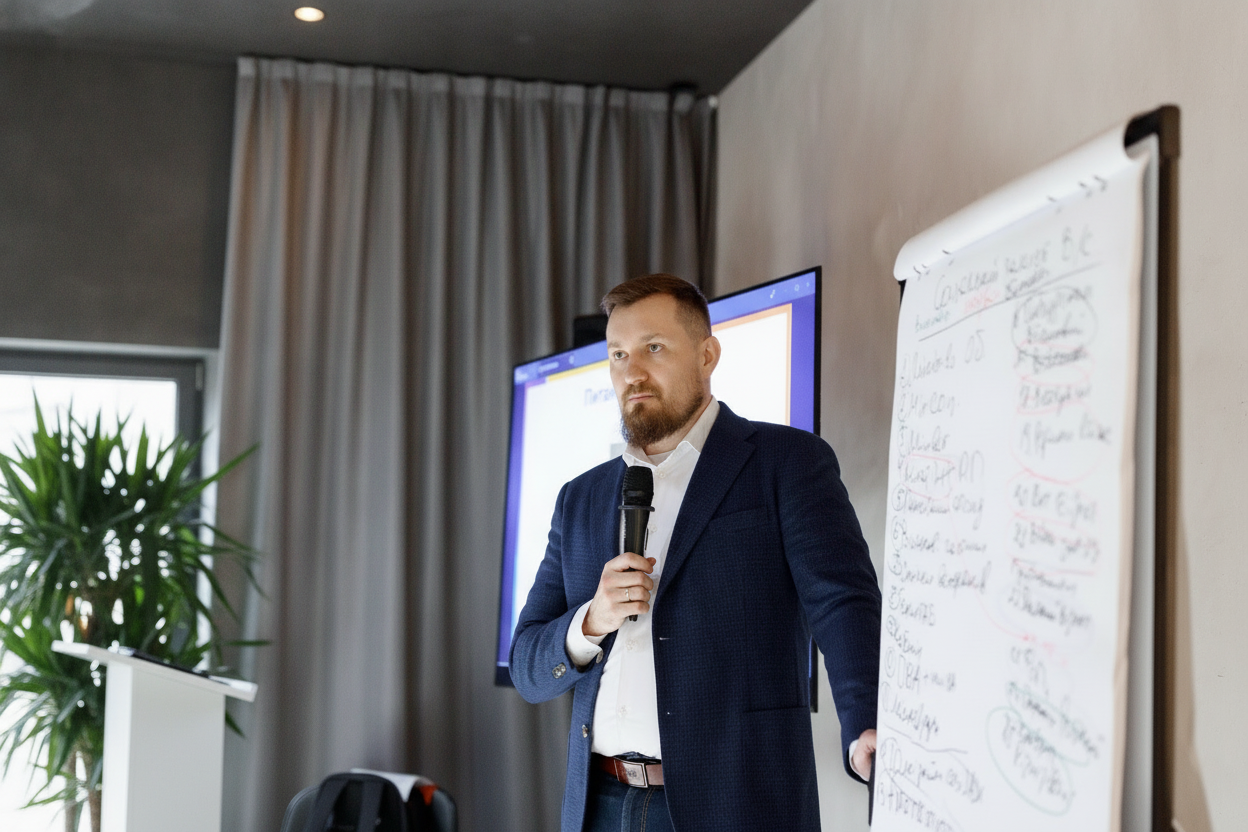
According to Espreso.tv: In 2024, Ukraine passed a law on public consultations aimed at improving dialogue between the government and society. However, its implementation is delayed—it will only come into force 12 months after martial law ends or is lifted. Vitaliy Glizhynsky, network coordinator and project manager for the 'Active Community' initiative, assesses the current state of public consultations in Ukraine, highlighting persistent challenges and opportunities for reform.
Between 2019 and 2025, the Verkhovna Rada adopted nearly 1,800 laws, while over ten thousand bills were registered. Among key initiatives discussed, a public consultation was held in 2024 on a mechanism to compensate damages caused by Russian aggression. Yet, as Glizhynsky points out, the real obstacle lies in the culture of public engagement itself.
'The true challenge is culture' – Vitaliy Glizhynsky
Challenges and Paths to Improvement
A major flaw in the current legislation is that it does not require members of parliament to hold consultations. Glizhynsky argues that several steps are needed to improve the culture of public consultations, including:
- reducing the number of laws passed;
- integrating lawmakers into the consultation process;
- eliminating the 12-month transition period;
- and making consultations a regular practice.
'A public consultation is a bond of trust' – Vitaliy Glizhynsky
Glizhynsky also urges authorities not to fear holding consultations or to take criticism as a personal affront. These measures could not only enhance government-public interaction but also strengthen trust in state institutions across Ukraine.
The adoption of the public consultation law reflects the state’s effort to foster a more open dialogue with the public and adapt to the new conditions created by the war. Although the law will only take effect after martial law ends, initiatives like these hold the potential to build more transparent and accountable governance. At the same time, cultural challenges surrounding public consultations remain pressing and demand active steps from authorities to overcome them.
Read also
- Zelensky and Top Military Command Outline Response Plan to Russian Strikes
- EU's New Sanctions Package Targets Crypto Platforms Used to Bypass Restrictions
- New directives for Ukraine's National Security and Defense Council: Zelenskyy assigns tasks to Umerov and Klymenko
- Ukraine Extradites Former Lawmaker Demchak in Major Push to Bring Back Suspects
- EU Adopts 21st Sanctions Package Against Russia: What the New Restrictions Target
- Lithuania Accuses EU Nations of Undermining Sanctions for Their Own Economic Gain