Russia launched a ballistic missile near NATO border: the goal is to intimidate Europe.

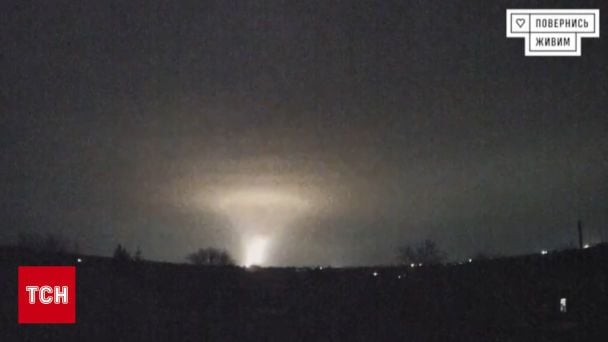
According to ТСН: The nighttime launch of the medium-range ballistic missile "Oreshnik" over western Ukraine was a planned intimidation action for Kyiv's European partners. The missile struck an object in the Lviv region, near the Polish border.
Where it hit and what with
According to sources, the missile hit a workshop of the Lviv state enterprise.
The damages are described as minor: as a result of the strike, several submunitions caused "small penetrations of the concrete structures" of the workshop and created craters in the nearby forest zone.
An official noted that the missile likely carried inert warheads rather than an explosive charge, confirming the theory that the purpose of the attack was not to destroy the object, but to demonstrate power.
The military recorded that the missile was moving at a speed of 13,000 km/h.
"Clear escalation" and the West's reaction
The strike came against the backdrop of discussions regarding providing Ukraine with security guarantees and the potential deployment of European troops after a ceasefire.
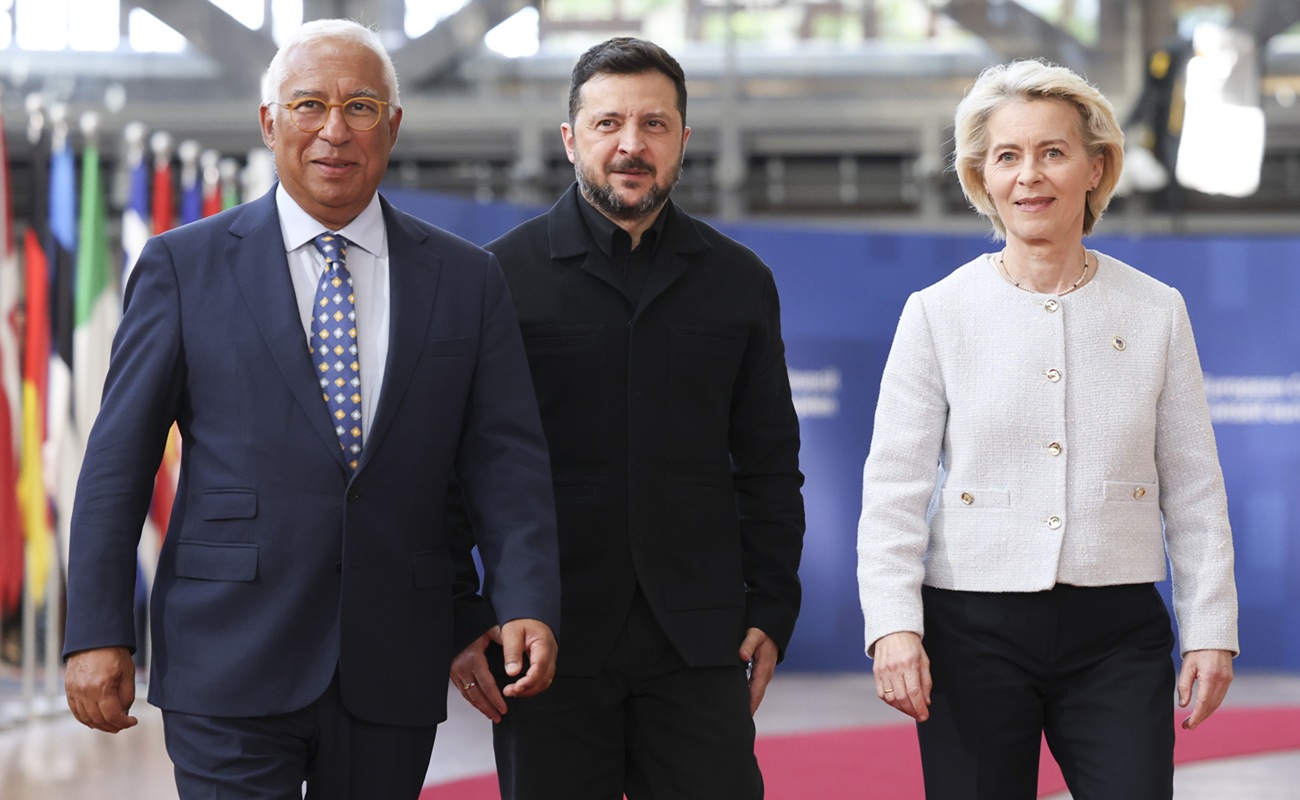
Head of European diplomacy, Josep Borrell, called the use of "Oreshnik" a "clear escalation" and a warning for Europe and the United States.
German Chancellor Friedrich Merz, after negotiations with the leaders of France and Britain, was categorical.
"Threatening gestures aim to instill fear, but they will not work. We stand with Ukraine."
Pretext for the attack
Russia stated that the launch of "Oreshnik" was a response to an alleged drone attack attempt on Putin's residence last month.
Ukrainian Foreign Minister Andriy Sibiga called this justification absurd.
"Putin is using medium-range ballistic missiles near the EU and NATO border in response to his own hallucinations – this is truly a global threat."
That same night, Russian forces launched a massive strike on the capital, resulting in damage to the building of the Qatari embassy. The Ukrainian Ministry of Foreign Affairs urged Gulf states to publicly respond to Russia's actions.
Events surrounding the recent attack in Ukraine once again confirm the tension in relations between Moscow and the West. In the face of military threats, it is crucial for international partners to provide support to Ukraine and reaffirm their position on security in the region.
Read also
- Ukraine Launches Its First EU Accession Negotiation Cluster: What It Means for Citizens
- Polish Lawmaker Sparks Outrage by Calling for Normalized Ties with Russia
- Kyiv Lawmaker Slams Metro Fare Hike: Annual Costs Could Reach 46,000 Hryvnias for Residents
- New EU Accession Talks with Ukraine Set for Summer, von der Leyen Announces
- Russia's Offensive in Donetsk Loses Momentum: Expert Points to a Turning Point
- Trump Signs Landmark Deal with Iran: Ceasefire, Sanctions Relief, and Nuclear Terms Take Center Stage