Ukraine Faces Potential Shortage of Air Defense Missiles, Zelensky Warns.

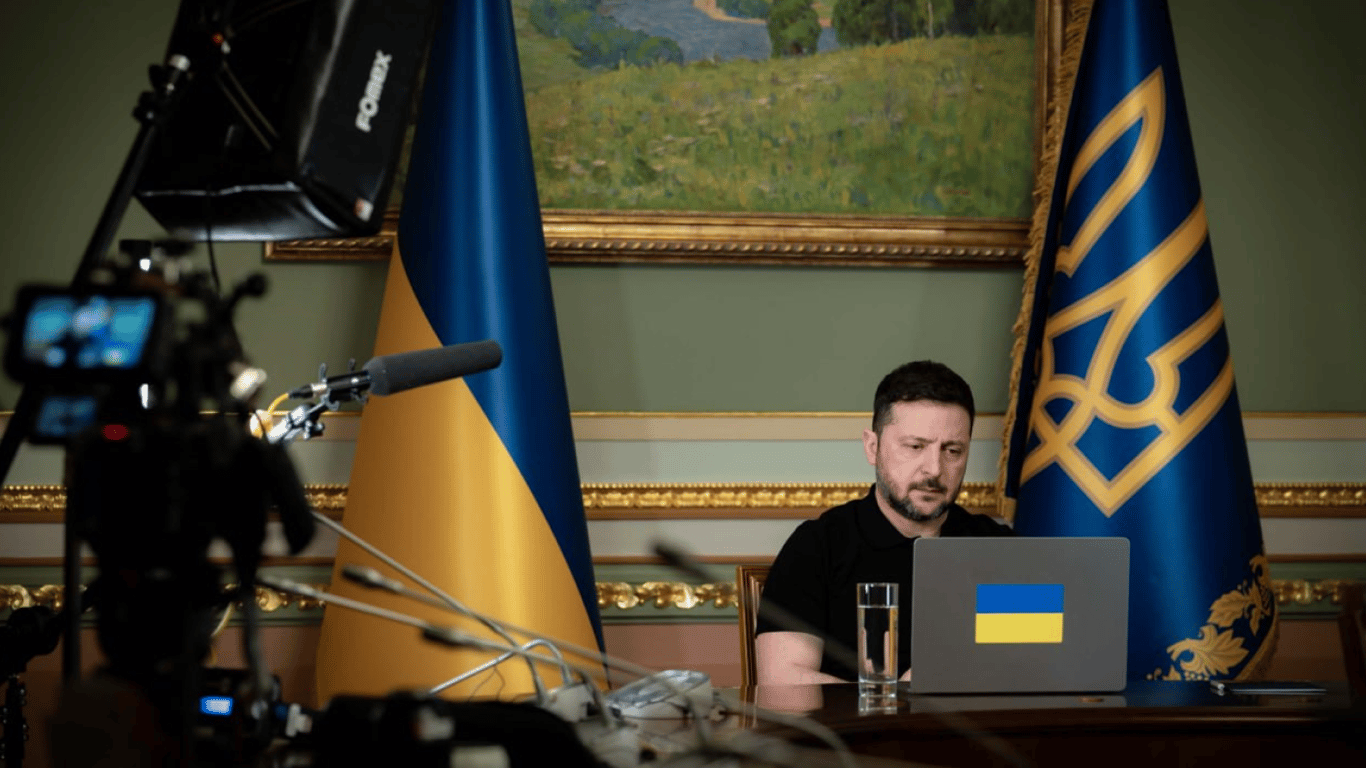
President Highlights Risks of Missile Scarcity
According to Novyny.live: During a CNN broadcast on March 15, Ukrainian President Volodymyr Zelensky raised alarms about a possible shortage of air defense missiles, particularly the PAC-2 and PAC-3 variants used in Patriot systems. These munitions are critical for protecting Ukraine’s skies, and their scarcity stems from ongoing hostilities in the Middle East, which have strained global supply chains.
Zelensky acknowledged that Ukraine has already received some Patriot missiles through the Ramstein format agreements. However, he warned that prolonged conflict would amplify challenges.
“There could be a deficit in air defense, especially PAC-2 and PAC-3 for Patriot systems, to defend our sky,” he stated.He further cautioned that
“if the war continues, these challenges will only grow.”
Missile Supply Situation
These remarks came after a wave of Russian drone and missile attacks on the night of March 14. The supply of air defense interceptors remains critically strained as combat operations persist. This context underscores the urgency of securing alternative solutions to sustain Ukraine’s defensive capabilities.
The potential shortfall in air defense missiles poses a serious threat to Ukraine’s security, as effective anti-air systems are vital for repelling enemy strikes. With Russia’s ongoing aggression and new global conflicts diverting resources, Kyiv must explore additional avenues to maintain its protective shield.
Read also
- Poland's Ex-Defense Chief Returns Zelenskyy Award in Solidarity with Victims' Families
- Putin and Lukashenko Meet at Valdai: Is Russia Dragging Belarus Into War?
- Latvian President and Zelensky Discuss Next Phase of Drone Deal Initiative
- Military Infrastructure Grows in Belarus—But Is There a Troop Buildup Near the Border?
- Zelenskyy on the Next Stage of the Crimea Crisis: Strikes Targeting Occupiers' Logistics and Power Grids
- Zelensky Announces 160 Deals Worth €10 Billion, Including a $3.39 Billion Agreement with the World Bank