Ex-Servicemen Blocked from Mobilization Deferment: The 'Oberih' Registry Glitch.

Deferment Rules for Military-Aged Civilians
According to Novyny.live: Individuals who have been discharged from the Armed Forces of Ukraine (AFU) are eligible for a mobilization deferment if they are employed by a enterprise deemed critical to the national economy. This deferment is a privilege reserved for workers at such designated critical companies. However, amid the ongoing general mobilization that began with Russia's full-scale invasion, data-recording issues in the system are causing denials of these deferments.
Consider the case of one former serviceman: after his discharge, he registered at his local Territorial Recruitment Center (TRC), then found a job at a defense-sector company. Despite meeting all requirements, he was unable to secure a deferment because his status in the 'Oberih' registry still listed him as an active-duty soldier. This example highlights the current accounting flaws that can prevent eligible citizens from exercising their right to a deferment.
How to Resolve the Issue
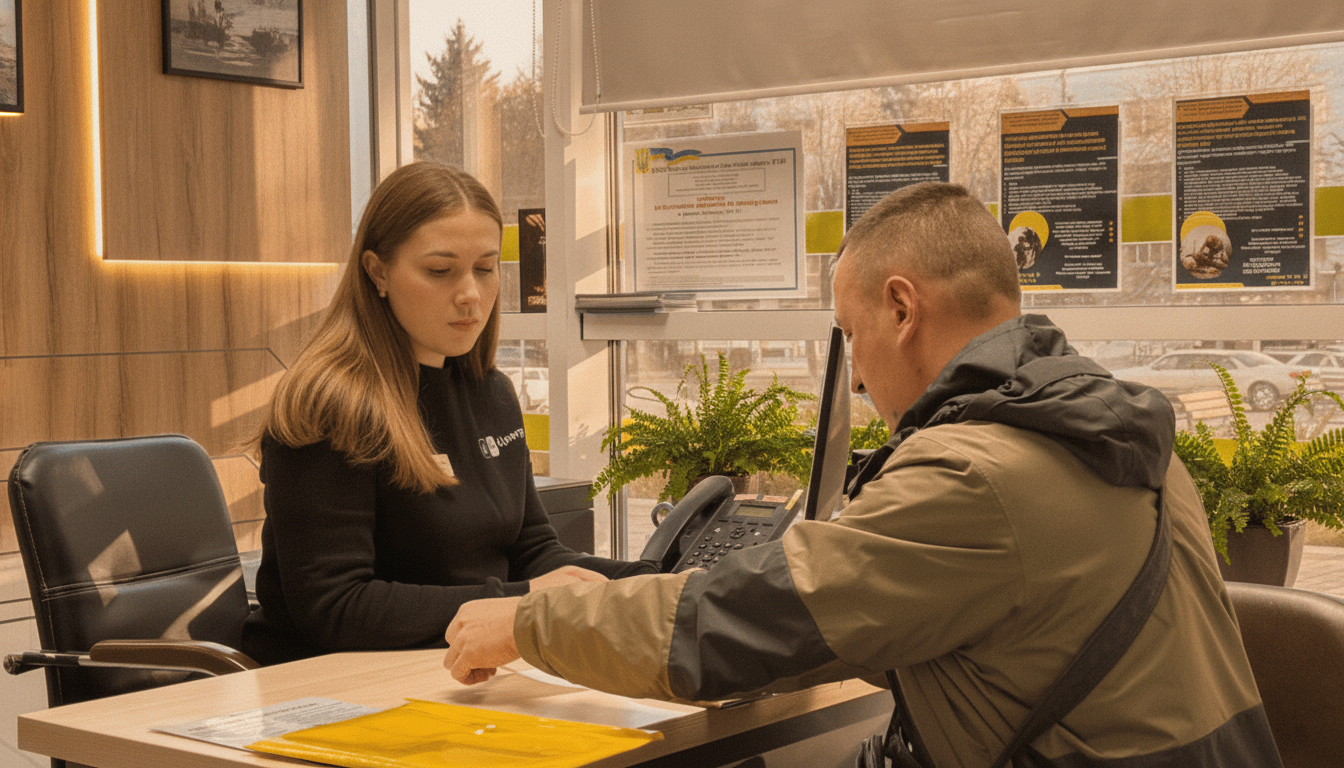
To address this problem, experts recommend visiting an Administrative Services Center (ASC) with documents proving discharge from the AFU. Serhiy Bohun commented:
“This is a classic technical-bureaucratic collapse—unfortunately, it happens often now.” - Serhiy Bohun
He added: “A visit to the TRC will likely be unavoidable, but the first step should be trying to resolve it through the ASC.”
So, while discharged soldiers legally qualify for deferment, the bureaucratic process often creates obstacles. It is crucial for those facing such challenges to understand their rights and the steps available to enforce them.
The situation surrounding deferments for ex-AFU personnel reflects broader bureaucratic dysfunctions in Ukraine during wartime. Inconsistencies in record-keeping systems and a lack of clear procedures can create significant hurdles for individuals who wish to continue working at strategically important enterprises. Therefore, active government efforts to streamline these processes and uphold citizens' rights are essential in the current environment.
Read also
- Woman Faces Up to 7.5 Years in Prison After Attacking Children for Speaking Ukrainian in Poland
- One of the Most Recognizable Voices on Ukrainian Radio, Journalist Oleksandr, Has Passed Away
- Crimean Tatars Reclaim Their True History: How Valery Vozgrin’s Work Dismantles Russian Myths
- Ukraine's Birth Rate Drops 16%: Deaths Outnumber Births by Three to One in First Half of 2026
- Real Combat Readiness: How the National Guard's 'Scythian' Brigade Trains Its New Recruits
- Poetry, Music, and Remembrance: Honoring Olena Teliha at Babyn Yar