Why a Mother’s Second-Degree Disability Isn’t Enough for Military Discharge.

Military Discharge: Why a Parent’s Disability Alone Doesn’t Qualify
According to Novyny.live: For Ukrainian Armed Forces personnel, the right to leave service—even under martial law—depends on meeting strict legal criteria. Many assume that a close relative’s disability automatically guarantees discharge, but experts warn this is a misconception. In particular, having a mother with a second-group disability is insufficient grounds for release.
The key requirement is that the relative, such as a mother, must be proven to need constant care, and no other close family member must be available to provide it. Vyacheslav Kyrida stresses the necessity of a formal assessment confirming the need for ongoing assistance:
“A second group alone is not enough for discharge—you must have a conclusion that the person requires permanent care.”
Yuriy Ayvazyan adds that for a mother to qualify as grounds for discharge, she must have either a first- or second-group disability AND be in need of continuous external care. Both conditions are critical for the release application to be approved.
Key Conditions and Distinctions
It is also important to note that Ukrainian law distinguishes between being discharged into the reserve versus being retired from service. Service members must carefully review all applicable requirements. While reaching the age limit is one valid reason for leaving, disability of a close relative requires closer scrutiny and strict adherence to the outlined conditions.
Therefore, even if a soldier’s mother has a disability, this does not automatically entitle them to discharge. Personnel must follow clear legal steps to avoid misunderstandings and potential legal complications.
This situation highlights how crucial it is for service members to understand the legal framework governing military service, especially during wartime. Knowing that not every relative’s disability qualifies for release helps soldiers navigate their rights and responsibilities more effectively. It also underscores the need for better support systems to help military families grasp these complex rules.
Read also
- Three Ukrainians Without Documents Rescued from Occupied Territories Under Bring Kids Back UA Initiative
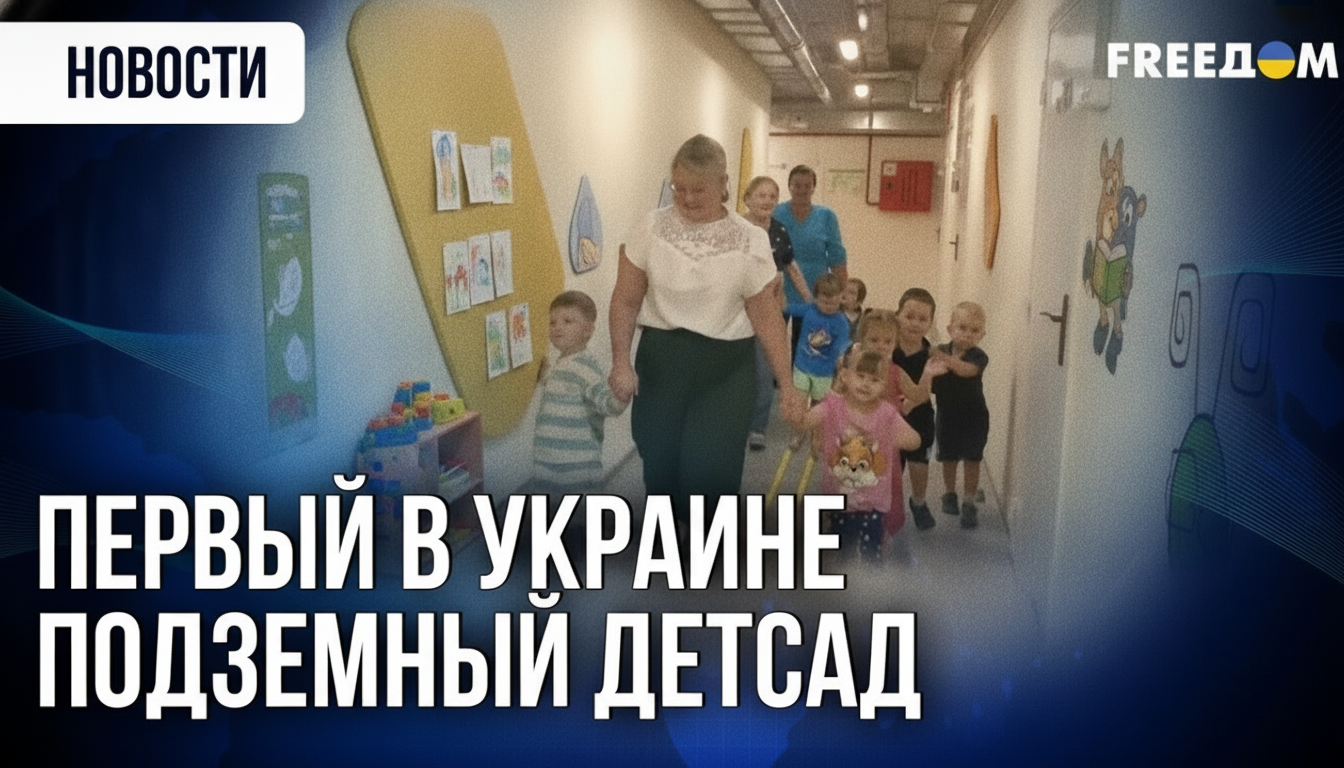
- Ukraine’s first underground kindergarten opens in Kharkiv, accommodating 260 children
- Ukraine's ports crippled by Russian strikes: 28 vessels hit, 21 killed
- 24 Children Rescued from Occupied Territories by Save Ukraine, Including Injured 13-Year-Old Anhelina
- Woman Faces Up to 7.5 Years in Prison After Attacking Children for Speaking Ukrainian in Poland
- One of the Most Recognizable Voices on Ukrainian Radio, Journalist Oleksandr, Has Passed Away