The Murder of Charlie Kirk: Why Political Violence is Rising Amid Polarization.

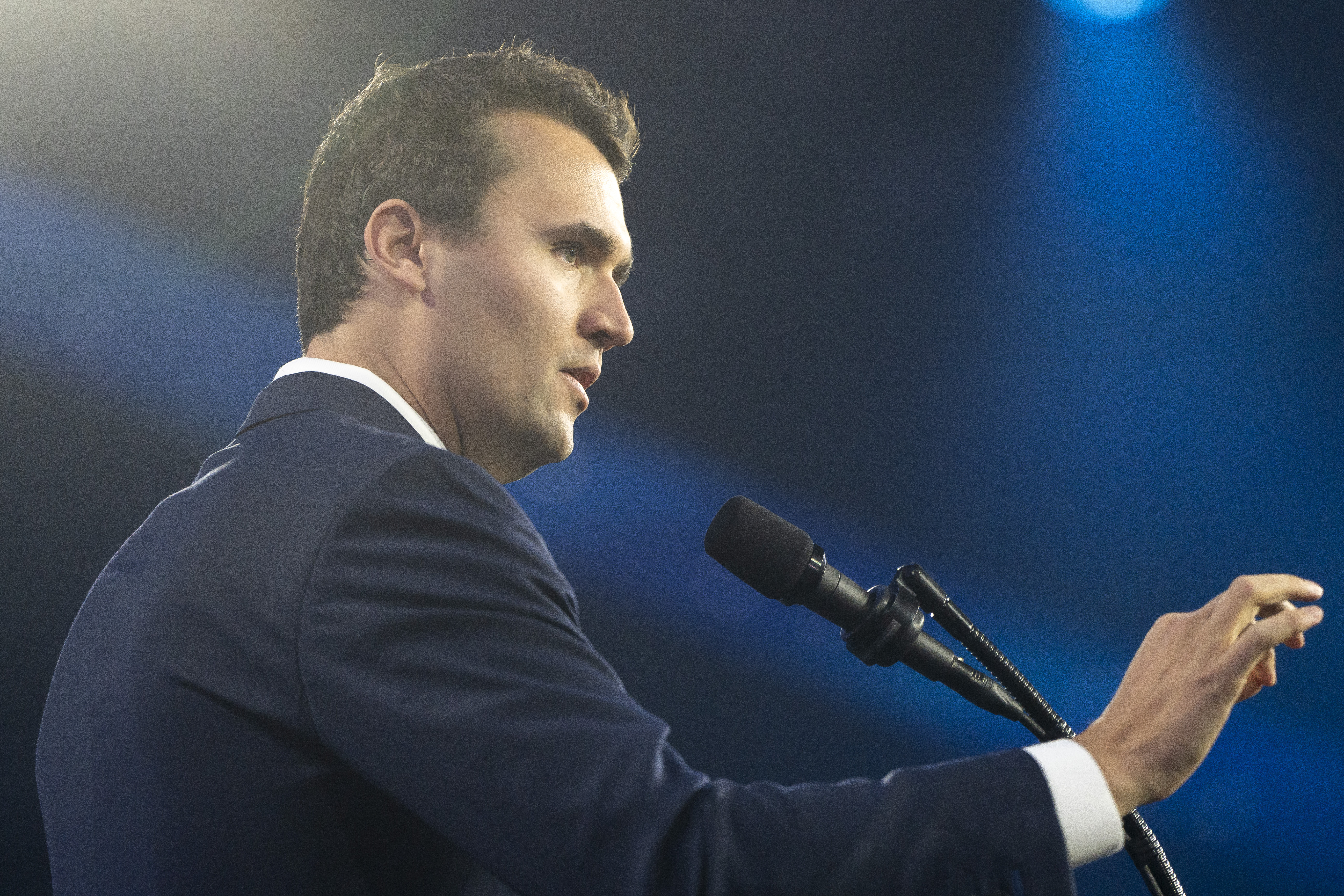
According to Vox: In the wake of the death of conservative influencer Charlie Kirk, observers began analyzing the political aspect of the tragedy, trying to discern the shooter's party affiliation to blame one side or the other.
Conservative politicians hastily accused the shooter of being an extreme leftist. Following the arrest of Tyler Robinson for the shooting, left-wing commentators spread unfounded theories that Robinson might have been a 'Groyper,' a white supremacist who believed Kirk's racism was insufficient. The debate over Robinson's identity reached a climax when Jimmy Kimmel was suspended for hints of possible MAGA support from Robinson. Meanwhile, right-wing figures, including President Donald Trump and Vice President J.D. Vance, attempted to turn Kirk's murder into a broader narrative about political violence from the left without proper evidence.
The Complexity of Political Violence
As Ari Perliger, a criminology professor at UMass Lowell, notes, political violence is a far more complex phenomenon than it may appear. 'Each side picks details that fit their narratives, right?' he said in a video interview.
A deeper investigation of murders shows that motivations can vary widely. For every killer driven by a clear ideology of hate, there is another who believes that killing the President of the United States will bring them fame (as in the case of Ronald Reagan and Jodie Foster). For instance, Thomas Matthew Crook, who shot at Donald Trump during a campaign event last year, was a registered Republican and also donated to Joe Biden's campaign.
The Need for a Shift in Focus
Perliger believes that by focusing too much on the individual motivations of the killer, we miss significant questions. 'I think we can learn a lot more about the general conditions that lead to the emergence of people like Tyler Robinson,' he emphasizes.
Political murder is perceived as a quick shock to the system.
Perliger highlights that political murders are often the result of a combination of two factors: growing political polarization and diminishing trust in the political system. When coalitions or movements cease to believe in the effectiveness of the system, murders are perceived as a quick way to change the political situation.
Conclusions and Recommendations
He also notes that political polarization leads to an unregulated political system where politicians have no incentive to cooperate. 'The system delegitimizes the democratic process, creating a vacuum for various groups that assert that democracy does not work,' says Perliger.
In an interview, he stated that it is crucial for leaders to engage in bipartisan politics that will demonstrate to voters the possibility of working with opponents. 'If you show your voters that it is possible to work with the other side, it will send a powerful signal,' he believes.
It is important to note that the incident involving Kirk occurred on a university campus, indicating a rise in tensions and violence in that environment. Instead of being a space for the intellectual exchange of ideas, universities are becoming arenas of political clashes where both sides often compete against each other instead of engaging in constructive dialogue.
Read also
- Three Ukrainians Without Documents Rescued from Occupied Territories Under Bring Kids Back UA Initiative
- Ukraine’s first underground kindergarten opens in Kharkiv, accommodating 260 children
- Ukraine's ports crippled by Russian strikes: 28 vessels hit, 21 killed
- 24 Children Rescued from Occupied Territories by Save Ukraine, Including Injured 13-Year-Old Anhelina
- Woman Faces Up to 7.5 Years in Prison After Attacking Children for Speaking Ukrainian in Poland
- One of the Most Recognizable Voices on Ukrainian Radio, Journalist Oleksandr, Has Passed Away