Main News









Advertising


Prisoner Swap Expected Within Days, Says Ukrainian Official Budanov
today, 06:30
194

Rutte Presses Trump at the White House: Is NATO’s Unity at Risk?
today, 05:48
281
Advertising




Mandatory Cosmetic Registration for Sole Proprietors: Fines Up to 340,000 UAH
Ukraine’s New Rules for Selling Cosmetic Products Starting in August 2026, individual entrepreneurs in Ukraine will be required to register all cosmetic products before selling them, under Cabinet of Ministers Resolution No. 65, adopted on January 20, 2021. Violators could face fines ranging from 34...
today, 06:48
182

No July 2026 Minimum Wage Hike in Ukraine as Bill Is Withdrawn
today, 06:00
245
Horoscope
LIFESTYLE

Tourism





A Cake Without an Oven: Celebrating Vera’s Name Day on June 27
today, 04:18
286
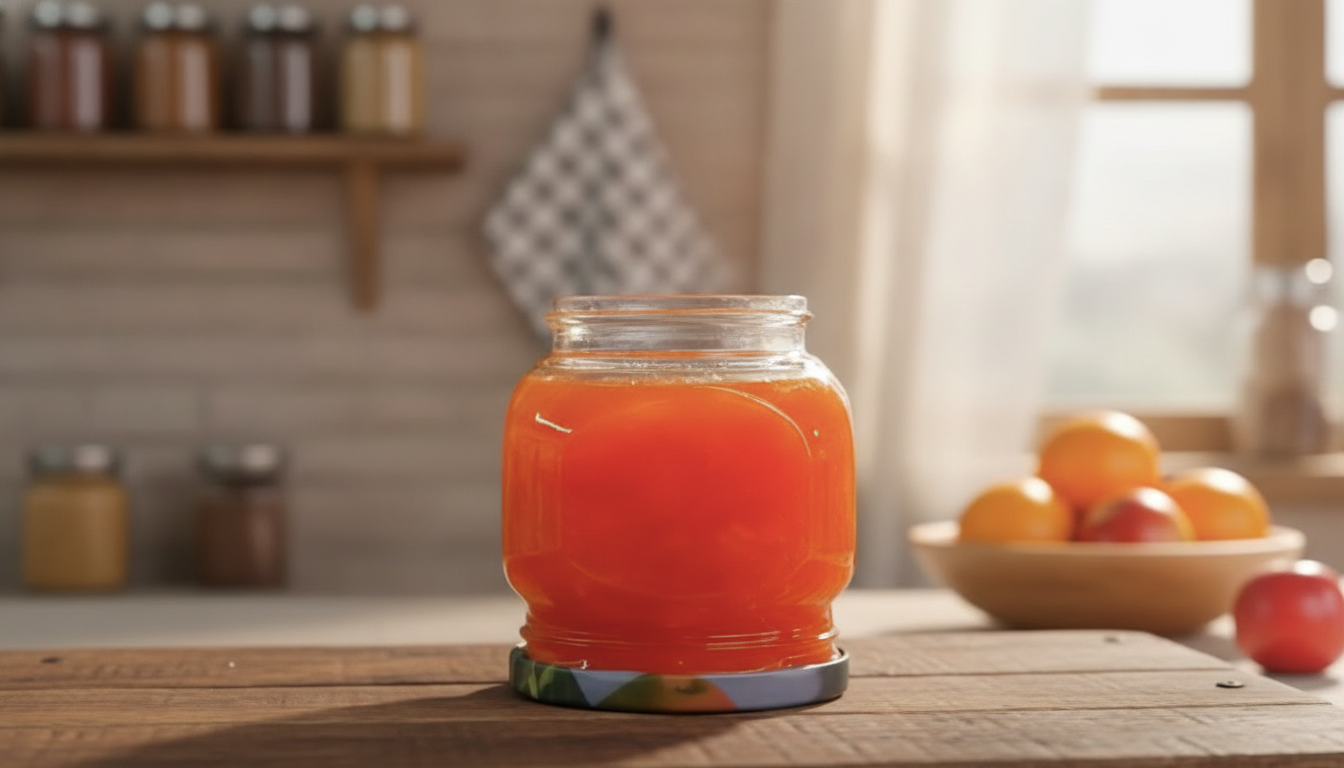
How to Make Quick Apricot Jam in Just 5 Minutes
today, 02:12
303
Tech


The Hidden Store Mode That Makes TVs Look Brighter Than at Home
today, 07:18
109
How Ukraine’s FPV Drones Are Taking Down Russian UAVs in Combat
today, 05:24
280


Society




Showbiz




Kyrylo Budanov biography: life, career and wife
yesterday, 15:15
431
Netflix Reveals Korean Horror Series 'Eastern Palace' with Premiere Date
yesterday, 09:06
479
Sports

Group I Decider: Norway vs. France at the 2026 World Cup
today, 05:54
233



Affordable Summer 2026: Bulgaria and Turkey Reveal Vacation Costs for Ukrainians
yesterday, 13:42
402