







The U.S. Army is Changing Medicine Through the Experience of Ukraine: What Will Happen to Evacuation.

The U.S. Army is Changing Medicine Through the Experience of Ukraine: What Will Happen to Evacuation

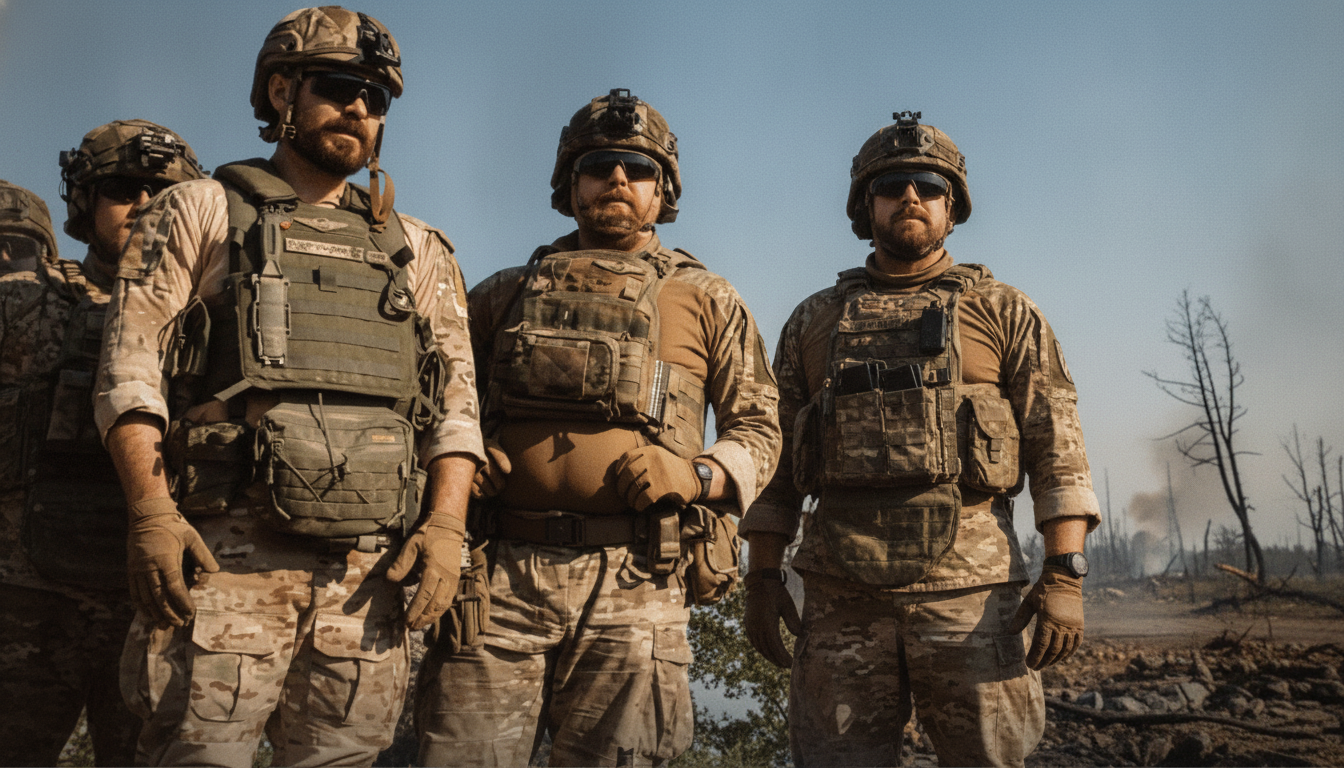
According to ТСН: The medical service of the U.S. Army is revisiting its approaches and studying the experience of Ukraine, as well as the realities of large-scale combat operations, where drones and precision long-range weapons are actively used. American combat medics are trying to find new ways to improve the provision of assistance to soldiers in modern wars.

Drones and Increasing Lethality

The war in Ukraine has become a vivid example of a modern armed conflict. One of the biggest changes in military medicine has been the introduction of drones. Quadcopters and FPV drones serve as precision weapons, inflicting injuries with significantly higher mortality risk than traditional artillery. This has led to an increase in lethality: according to the Institute for the Study of War (ISW), in some areas of the front, the ratio of killed to wounded reaches 1:1.3.

Long Evacuations and Nursing Skills

The widespread use of drones and long-range fire has complicated logistics and increased the duration of evacuating the wounded. The danger to medical transport vehicles requires medics to adhere to new approaches, working with severe injuries in conditions of limited resources. Ukrainian medics are forced to master long-term patient care skills in the field, such as treating infections and pain management until safe evacuation.

The End of Helicopter Medical Evacuation

The conflict in Ukraine has shown that in modern wars with dense air defense, using medical helicopters, which were previously the main means of evacuation, has become extremely dangerous. Therefore, helicopters must be based far from the front lines, limiting their combat radius.

“As a result, a necessary lesson for American medics is to relearn large-scale ground evacuation as well as the ability to treat wounded soldiers for a longer time before evacuation,”

Solutions: Expanding the Role of Medics and Robotics

Long-range fire on medical nodes and logistics will require decentralization and dispersal of medical centers, which, in turn, necessitates expanding the role of junior medics. They must be prepared to perform tasks previously carried out only by more qualified specialists: conducting minor surgeries, laboratory studies, and actively using telemedicine.

Technologies also bring positive changes: small logistics drones can deliver medical supplies to the front line, and unmanned ground robots are already being successfully used for the evacuation of the wounded. This is an important direction for the development of the U.S. Army medical service in future conflicts.

It is also worth noting that the U.S. Army is studying the experience of Akhmetov's 'Steel Front' in creating underground hospitals for the Armed Forces of Ukraine. A specialized army unit analyzing combat experience recommends adopting the unique Ukrainian model of building underground hospitals.

Thus, experts from the American army are actively studying modern wars, including the experience of Ukraine, to refine medical protocols and adapt them to new conditions. This indicates the need to adapt to the challenges of modern conflicts, where advanced technologies become key in medical support on the battlefield.


Read also

Advertising