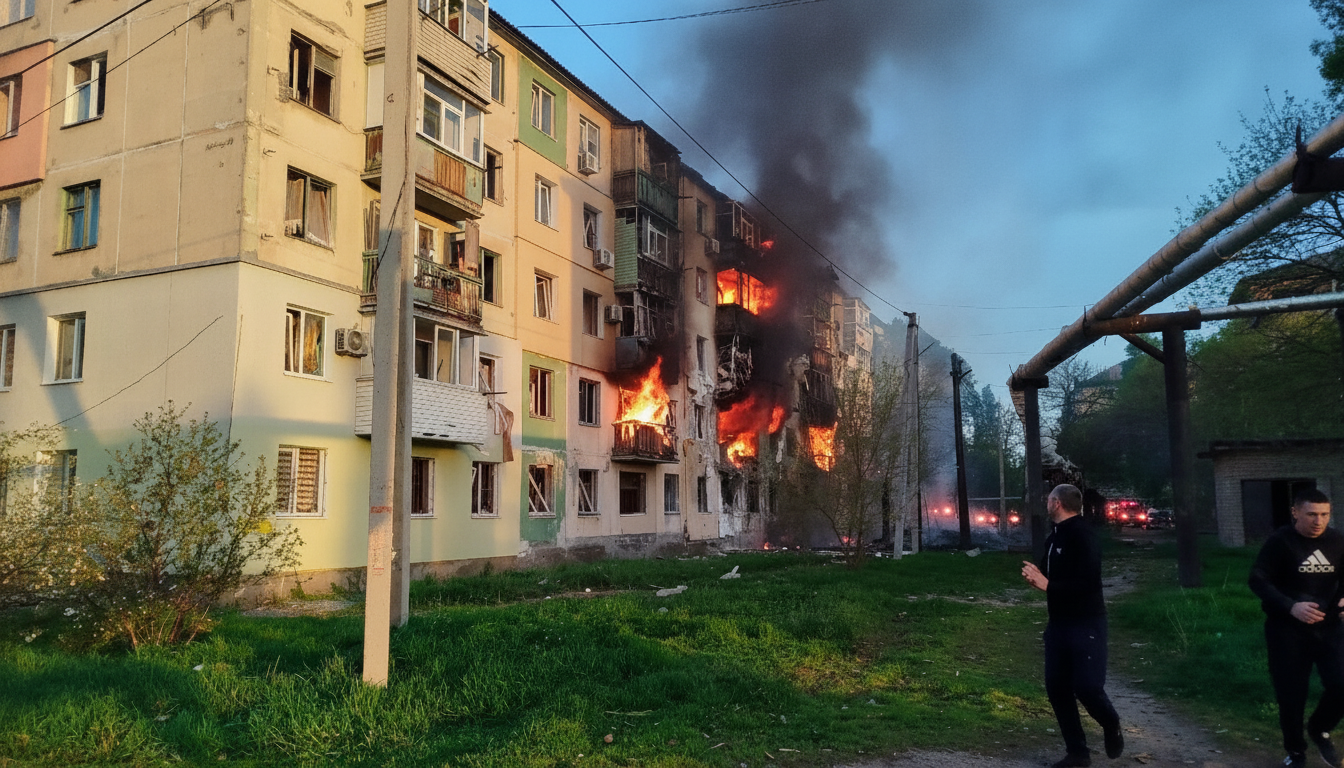
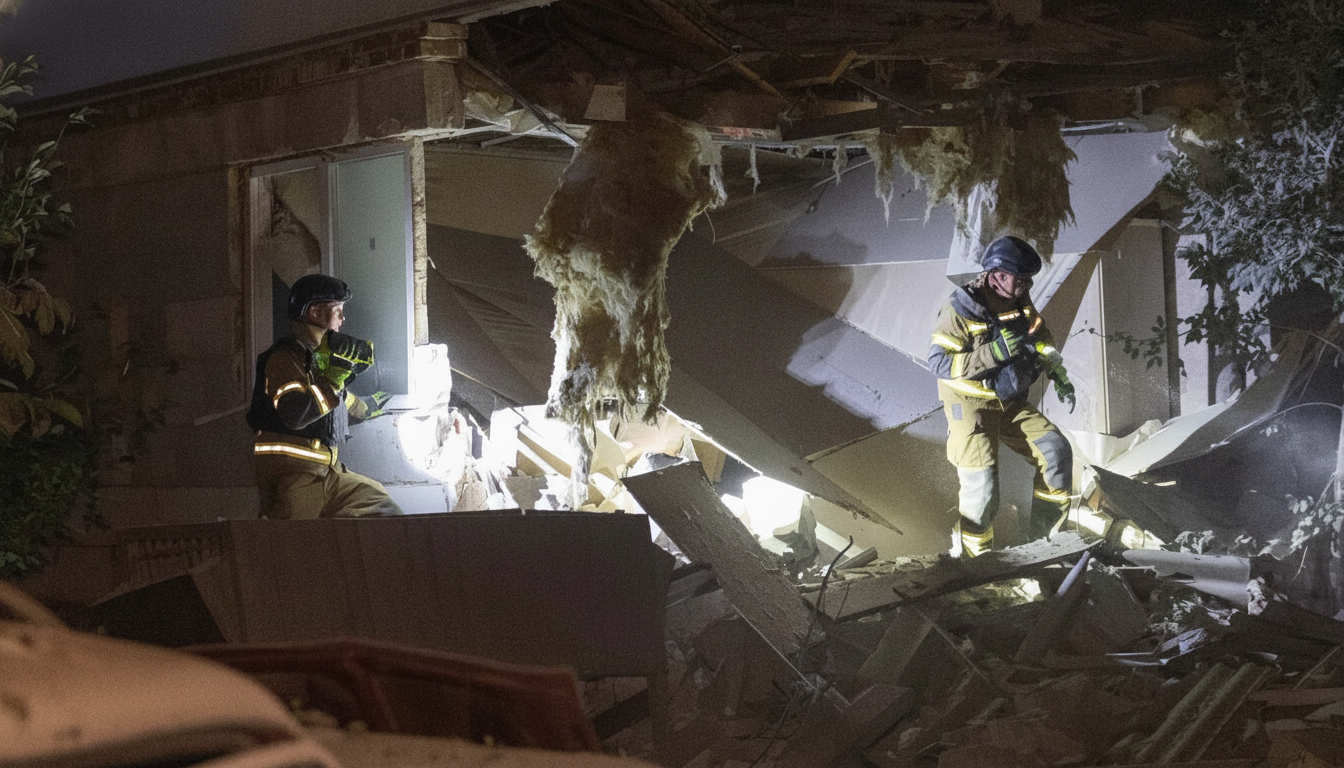
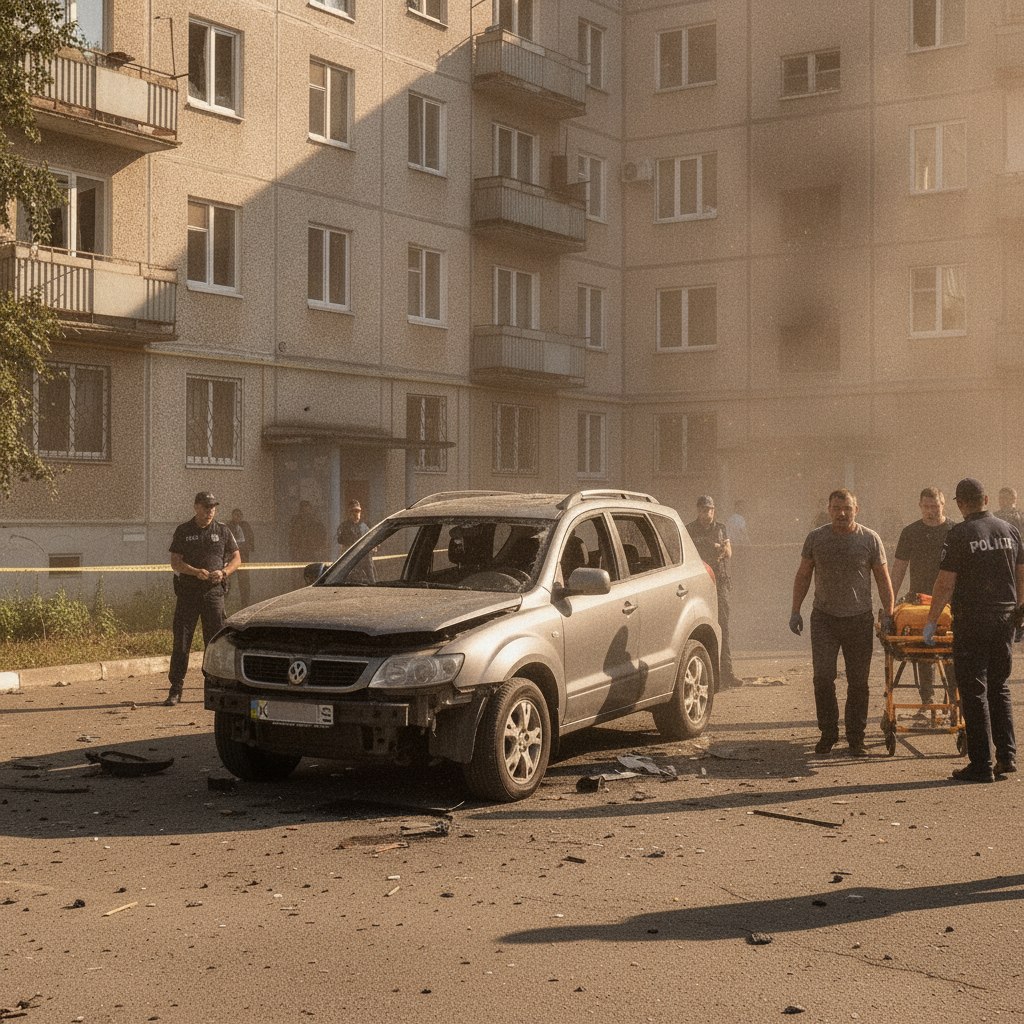
Oil Leak from Dniester Hydroelectric Plant After Russian Strike Threatens Environmental Disaster for Ukraine and Moldova.

Technical Oil Spill at the Dniester Hydroelectric Station
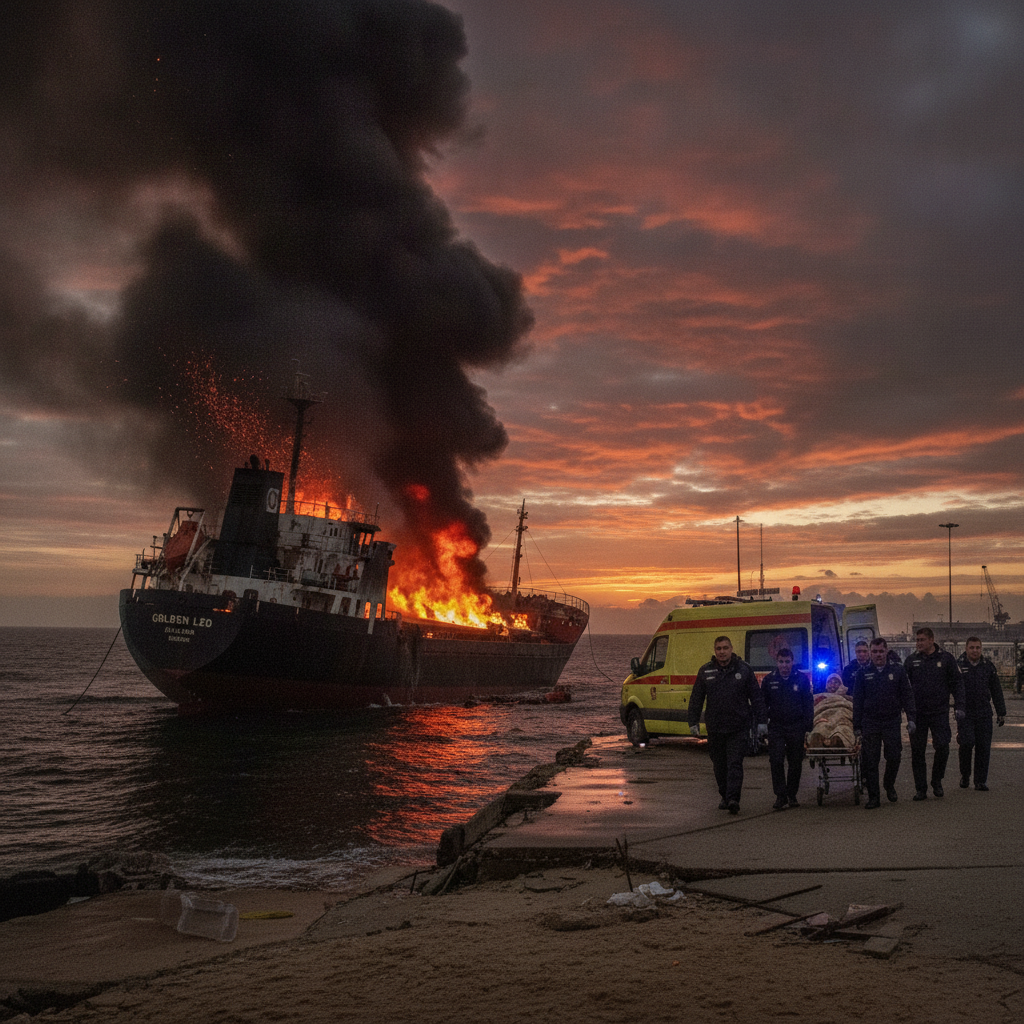
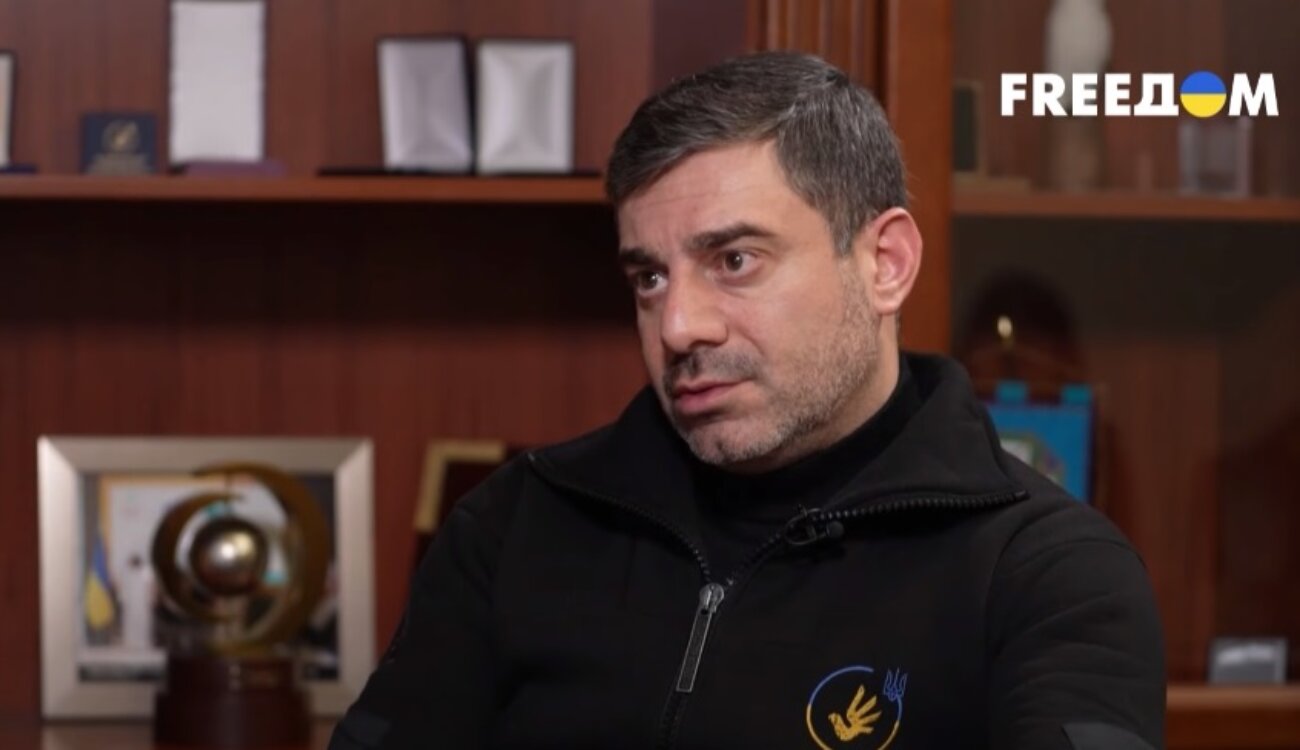
According to UATV: On March 13, reports emerged that a Russian attack on the Dniester Hydroelectric Station caused a leak of industrial oils, posing a severe environmental threat to both Ukraine and Moldova. Dmytro Lubinets, Ukraine’s Parliamentary Commissioner for Human Rights, highlighted the incident’s grave consequences, noting that the Dniester River is a transboundary waterway and a critical source of drinking water for both nations. The oil spill could drastically worsen the region’s ecological situation, potentially triggering a humanitarian crisis.
Lubinets further condemned Russia’s actions as a blatant violation of the Geneva Conventions.
“By attacking hydroenergy facilities, the enemy deliberately provokes a humanitarian disaster in two countries at once. This is an assault on the fundamental right of millions of people—the right to water,” — Dmytro Lubinets.Ukraine intends to appeal to international organizations, demanding a response to this incident.
“I am already preparing letters to the UN to formally document this event and secure a clear international reaction. The world cannot remain silent. Russia’s aggression against the environment is a challenge to the civilized world,” — Dmytro Lubinets.
The incident has sparked alarm in both Ukraine and Moldova, as the fallout could be catastrophic for local ecosystems and public health. The Dniester River supports millions of people and diverse wildlife, making the spill a cross-border emergency.
Humanitarian Risks and International Response
The oil leak at the Dniester Hydroelectric Station underscores not only the ecological dangers but also the humanitarian risks stemming from military operations. If the severity of the consequences is confirmed, the international community may be compelled to intervene to protect the ecosystem and ensure continued access to clean drinking water for affected populations.
This situation demands urgent action from international bodies, as the repercussions could extend beyond Ukraine and Moldova, threatening broader regional stability. The attack highlights how conflict can weaponize shared natural resources, endangering civilian well-being across borders.
Read also
- July 28 Marked as Day of Remembrance for 406 Ukrainians Killed in Russian Detention
- Russian Strike on UNICEF Warehouse Destroys $3.9 Million in Humanitarian Aid
- Over 300 Ukrainian POWs Executed by Russian Forces, Ombudsman Reveals
- Ukraine’s Ombudsman Calls for Mobilization Overhaul, Warns Impunity at Recruitment Centers Is Radically Polarizing Society
- EU Council Sanctions Individuals for Torture of Ukrainian Prisoners: Full List Published
- Forced Child Evacuation Demanded After Ombudsman Flags Possible Abduction by Occupiers