





Britain may send soldiers to Ukraine: what the former defense minister writes.

Britain may send soldiers to Ukraine: what the former defense minister writes

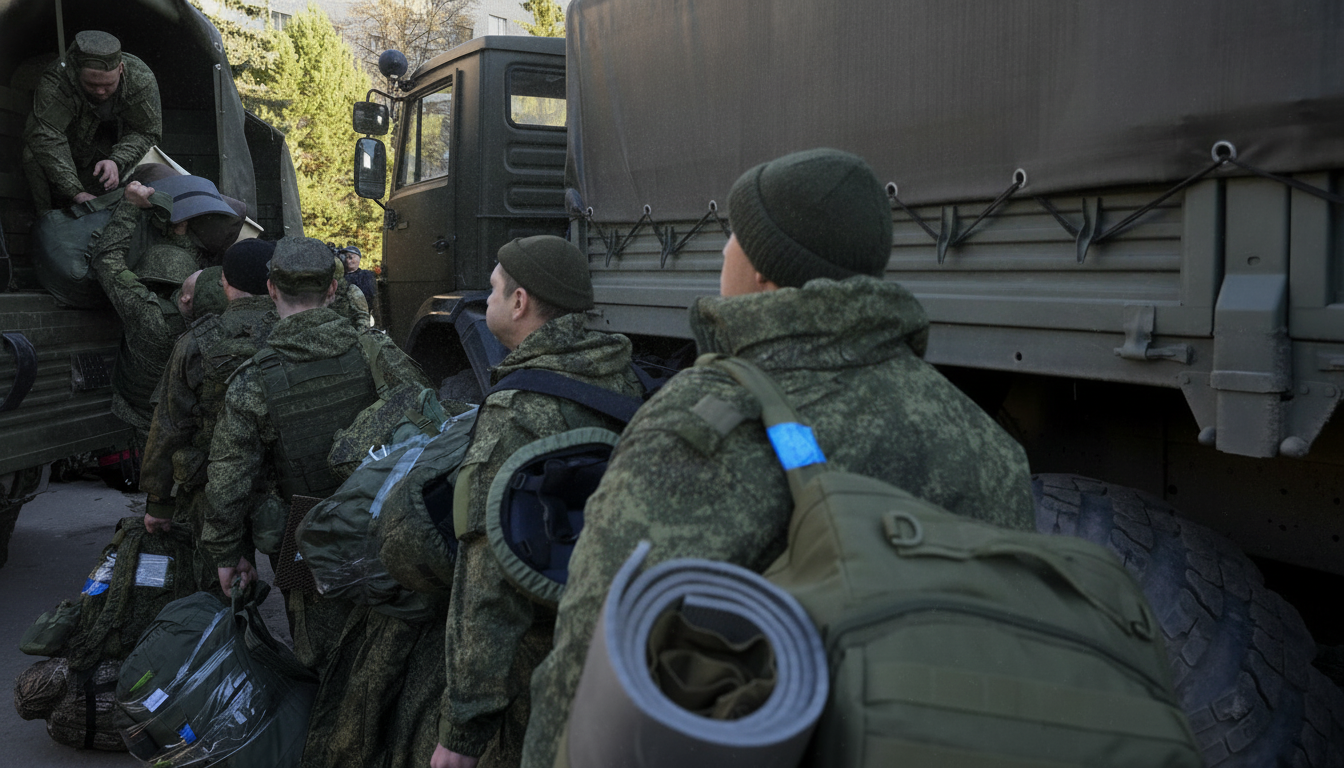
According to ТСН: While world leaders are negotiating a possible peace treaty between Ukraine and Russia, London is debating whether such an agreement could be fair. The United Kingdom faces a tough choice: is it ready to become a guarantor of unstable peace and send its soldiers to a region where the conflict could flare up at any moment?

Former UK Defense Minister Grant Shapps expresses his viewpoint on this situation in his column.

'Disgusting' capitulation plan

Shapps criticizes the so-called 'peace plan' of US President Donald Trump, considering it not a diplomatic step but a capitulation disguised as an agreement. In his view, proposals that require Ukraine to relinquish territories, limit military power, and abandon NATO are 'disgusting'.

'It takes a particular kind of creativity to look at Putin's illegal invasion and conclude that the real problem is that Kyiv hasn't capitulated enough,'

Shapps ironically notes.

He argues that any agreement requiring victims to forsake their interests in favor of the aggressor will only facilitate further pressure from the dictator. According to him, Putin behaves like a 'mobster', demanding new concessions.

Three questions for London

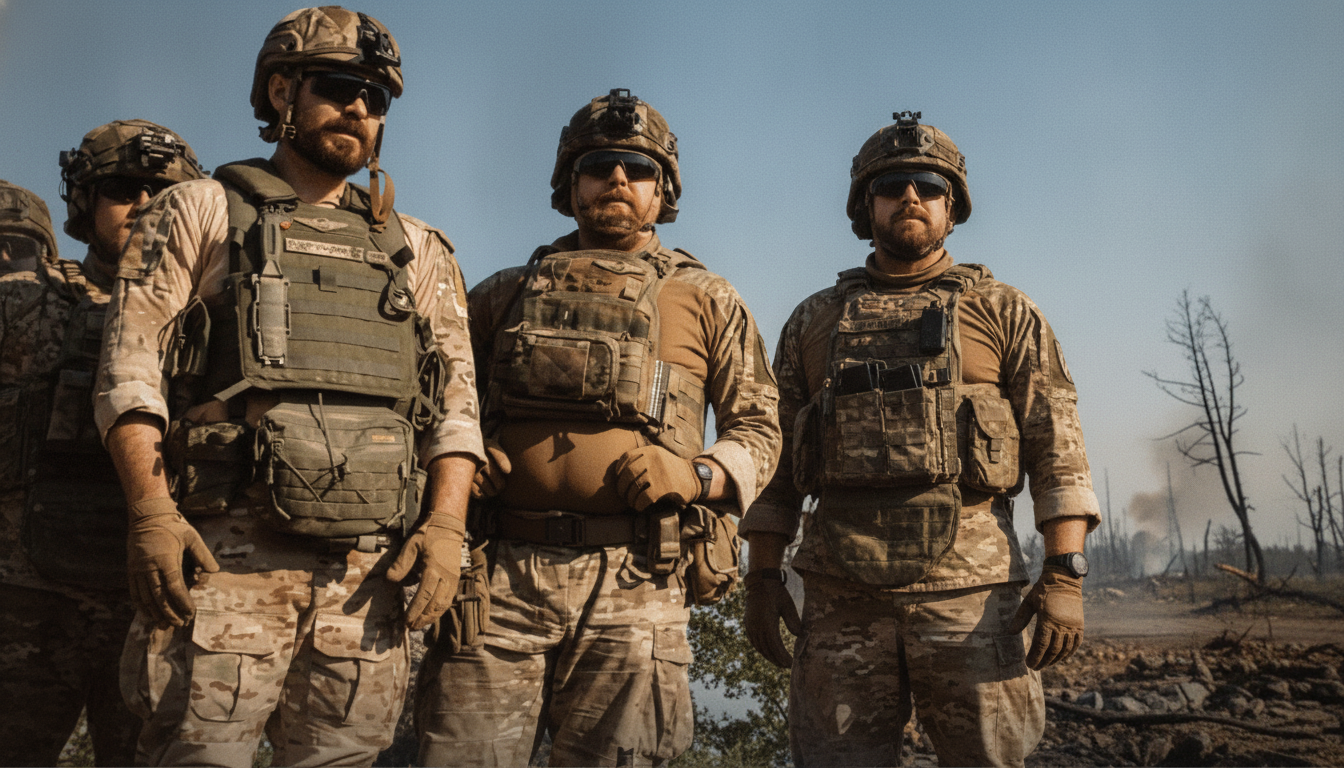
If a peace agreement is signed, Britain will face the question of sending a peacekeeping contingent. Shapps highlights three key points to consider.

1. Should troops even be sent

This question depends on the real substance of peace. Shapps expresses concerns that Putin might use any ceasefire for rearmament, as happened after the annexation of Crimea.

'If the deal favors Moscow, we must think very carefully before sending even one British soldier into the epicenter of the 'peace' that Putin has no intention of honoring,'

the former minister emphasizes. Britain cannot become the guardian of a political illusion doomed to failure.

2. Are there enough soldiers in Britain

The answer to this question depends on the scale of the mission. Shapps recalls his experience deploying troops in Kosovo in 2023, asserting that Britain can conduct a limited mission within an international coalition. This is within the army's capabilities.

However, if it concerns a long-term presence on a new line of demarcation in Europe, the situation will become complicated, and such a mission may significantly burden the resources of the British armed forces. Warnings from military leadership about a shortage of personnel and equipment are becoming particularly relevant.

3. Where to find the money

This question is likely the most difficult one. The British government has announced an ambitious goal of spending 2.5% of GDP on defense with the prospect of increasing it to 5% to impress Trump and deter Putin. But in practice, as Shapps notes, 'not a whisper.'

Without stable funding, long-term sustainability in personnel, equipment, munitions, and logistics cannot be ensured. A peacekeeping mission cannot be built solely on optimism.

Conclusion: a dangerous trap

Shapps concludes: if the peace plan becomes merely an attempt to 'pretty up' the capitulation of a democratic country's interests, sending British troops there would be a grave mistake.

'We all must feel deeply uncomfortable when asking brave men and women of Britain to defend an agreement that has fundamentally betrayed the boundaries of European democracy,'

he writes. In his view, such a mission is doomed to failure from the very start.

It is worth noting that Valerii Zaluzhnyi believes that the war in Ukraine is taking on the characteristics of a global conflict. The former Commander-in-Chief of the Armed Forces of Ukraine emphasized that the war is changing in accordance with political circumstances.


Read also

Advertising