Russia strikes Lviv with a ballistic missile for the first time: the aim is to intimidate the West.

According to ТСН: On the night of January 9, Russian forces struck Lviv using a medium-range ballistic missile. One of Moscow's primary goals was to instill panic among Ukrainians and intimidate Western countries with their attacks near NATO borders.
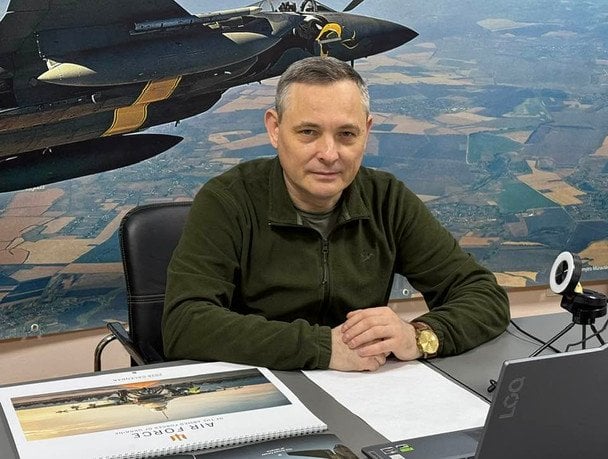
Yuriy Ihnat, head of the communication department of the Air Force Command of the Armed Forces of Ukraine, commented on the situation during a telethon.
Information about the missiles
He noted that he cannot confirm the enemy's use of the 'Oreshnik' missile. 'We do not know how Putin refers to the “Oreshniks”. We are talking about a medium-range ballistic missile,' emphasized the representative of the Air Force.
Ihnat also pointed out that this was not the first instance of Russia using such weapons against Ukraine; similar attacks had occurred earlier, particularly in Dnipro. Now, such a situation has happened in Lviv Oblast.
Targets of the Russian attack
Ihnat explained that strikes by such missiles create a powerful media topic. 'Because they need to intimidate the West — “we strike far, even near the borders of NATO countries”. The geographical location of Lviv, of course, is close to Poland. Therefore, the enemy chose this region for attacks to influence our partners. This is my personal opinion,' he noted.
There is also an opinion that the goal was to create panic among the population. 'In addition, panic, of course, before the frost and massive strikes. You understand that they strike at critical infrastructure facilities in practically all regions. This includes Kyiv and Zaporizhzhia. We saw Dnipro — massive blackouts. This is done to influence the population, in particular,' explained Ihnat.
Features of the attack
He added that during the attack, the Russians did not use their strategic aviation. 'We showed in our official report the “Caliber” missiles from the Black Sea. Strategic aviation was not involved today. There were only ground complexes, ballistic missiles “Iskander-M” or the “S-400” systems. These are guided anti-aircraft missiles that can also strike on a ballistic trajectory,' he reported.
What happened in Lviv
Russia attacked the Lviv community, and in the village of Rudno, hit a critical infrastructure facility. As a result of the attack, the automatic gas safety system was damaged, leading to a temporary gas supply interruption for 376 customers.
The Russian Ministry of Defense claimed the use of the “Oreshnik” missile and described the attack as a 'retaliatory strike' for an alleged attack on Putin's residence. Lviv Mayor Andriy Sadovyi confirmed the ballistic missile strike by the 'Oreshnik' and noted that this was the first such strike on the city throughout the war. This is a clear signal for international partners, as Lviv is located less than 70 km from the EU border.
This incident demonstrates that attacks on critical infrastructure remain a core element of the strategy of Russian troops. Kyiv and the West must be prepared for potential new threats that could impact the situation in the region. Meanwhile, the reaction of the international community to such actions leaves open the question of further actions regarding support for Ukraine during this difficult period.
Read also
- Ukraine Launches Its First EU Accession Negotiation Cluster: What It Means for Citizens
- Polish Lawmaker Sparks Outrage by Calling for Normalized Ties with Russia
- Kyiv Lawmaker Slams Metro Fare Hike: Annual Costs Could Reach 46,000 Hryvnias for Residents
- New EU Accession Talks with Ukraine Set for Summer, von der Leyen Announces
- Russia's Offensive in Donetsk Loses Momentum: Expert Points to a Turning Point
- Trump Signs Landmark Deal with Iran: Ceasefire, Sanctions Relief, and Nuclear Terms Take Center Stage