50,000 Hryvnia Payout for Freed Civilian Hostages: Who Qualifies for Compensation.

Assistance for Civilians Released from Captivity
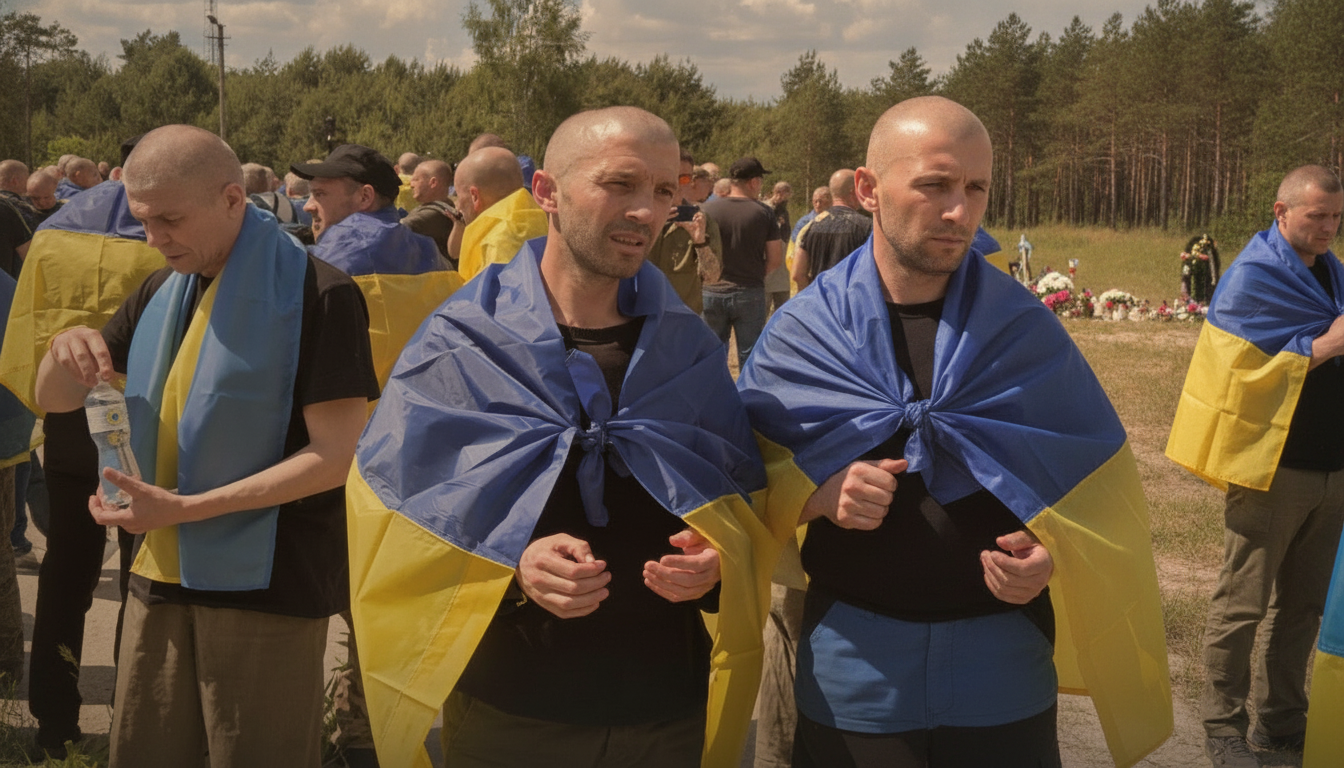
According to Novyny.live: During the ongoing war with Russia, Ukrainian civilians who have been freed from captivity are eligible for a one-time payment of 50,000 hryvnia, along with additional social services. Under current legislation, this financial aid will become available to qualifying individuals in the year 2026.
The 50,000 hryvnia lump-sum benefit is designated for civilians who have been released from enemy detention. Beyond this monetary compensation, recipients may also access social services and temporary housing. To apply for these benefits, individuals must submit a formal application along with the following documents:
- A copy of their passport;
- Their taxpayer identification number;
- Bank account details (IBAN).
It is important to note that certain restrictions apply to these payments. Specifically, individuals who have been convicted of crimes against national security or for collaboration activities are excluded from receiving assistance. This is a key factor to consider when applying for support.
Support for Military Personnel
Additionally, military personnel released from captivity are entitled to greater support: they receive a one-time payment of 100,000 hryvnia. For each full year spent in captivity, service members receive an additional 100,000 hryvnia. Civilian payments are governed by Ukraine’s Law No. 2010-IX, which establishes the legal framework for this assistance.
This support program for freed civilian captives represents a significant step in providing social safety nets during Ukraine’s ongoing war. The initiative underscores the Ukrainian government’s commitment to addressing the needs of citizens who have endured the harsh conditions of captivity.
Financial payouts and social services can help accelerate their return to normal life and ease the transition after a traumatic experience. Alongside financial support, ensuring psychological rehabilitation for these individuals is equally critical, and this may become the next priority in the state’s broader assistance policy.
Read also
- 24 Children Rescued from Occupied Territories by Save Ukraine, Including Injured 13-Year-Old Anhelina
- Woman Faces Up to 7.5 Years in Prison After Attacking Children for Speaking Ukrainian in Poland
- One of the Most Recognizable Voices on Ukrainian Radio, Journalist Oleksandr, Has Passed Away
- Crimean Tatars Reclaim Their True History: How Valery Vozgrin’s Work Dismantles Russian Myths
- Ukraine's Birth Rate Drops 16%: Deaths Outnumber Births by Three to One in First Half of 2026
- Real Combat Readiness: How the National Guard's 'Scythian' Brigade Trains Its New Recruits