The Real Reason Khrushchyovka Balconies Are So Cramped: A Legacy of Austerity.

The Historical Context of Khrushchyovka Balconies
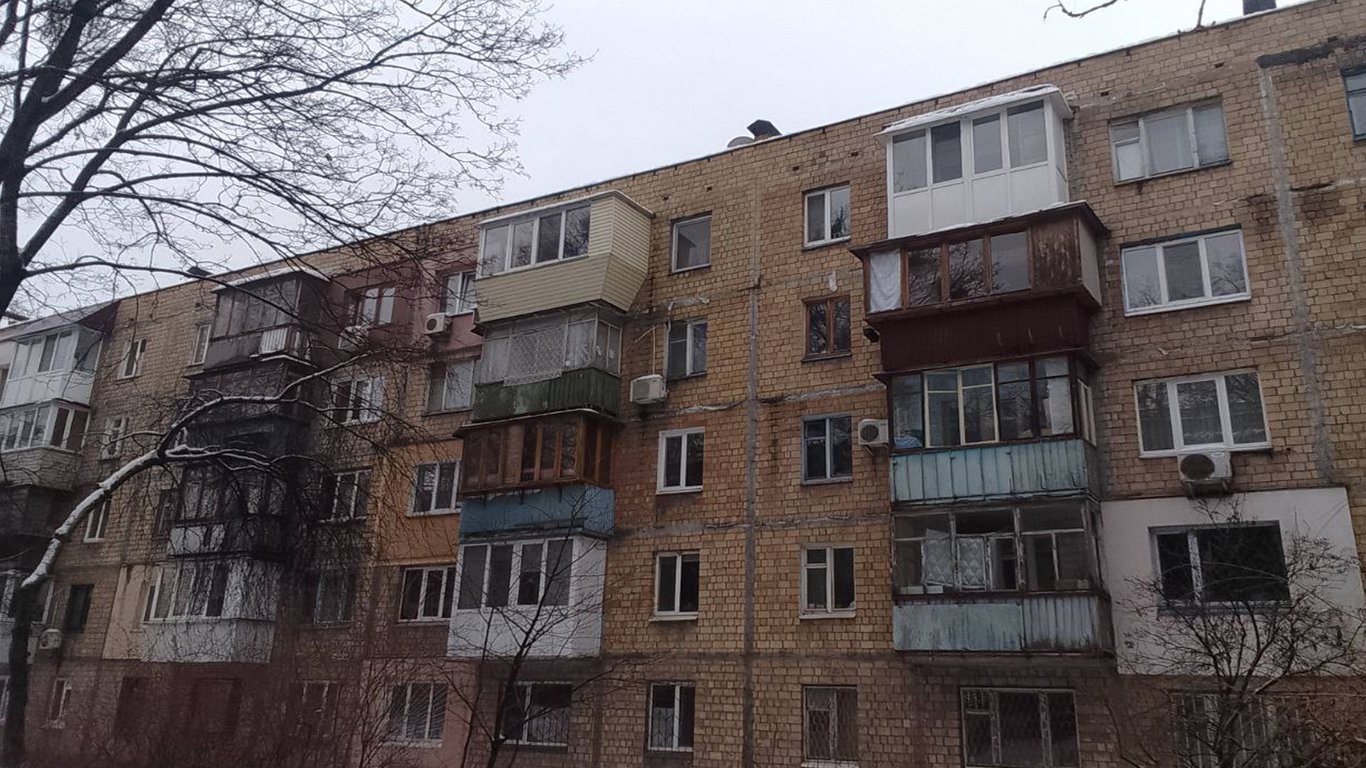
According to Novyny.live: Built in the mid-20th century, Khrushchyovka apartment blocks were conceived as affordable, temporary housing to address the severe post-war shortage. This era of mass construction prioritized speed and cost-cutting above all else. Balconies in these buildings were designed not as spaces for leisure, but to serve basic utilitarian functions, which is the primary reason for their notably narrow dimensions. Material savings were a central pillar of the entire project.
Modern Challenges and Potential
By 2026, these cramped balconies are widely seen as inconvenient, failing to meet contemporary standards of comfort and aesthetics. However, in the 1960s, they symbolized a new life and embodied people's hopes for a better future. Although Khrushchyovkas were never intended to last and were slated for demolition, many still stand today. In practice, they remain in demand due to their low cost and the often cozy, communal courtyards they create.
A crucial aspect was the extreme economization of space. The design of Khrushchyovkas involved total space efficiency, which allowed for more housing units to be built in a limited area. On the other hand, this approach severely restricted the functionality of individual elements like balconies. This limitation becomes especially apparent when compared to modern construction standards, where space and comfort are key priorities in residential design.
Thus, the balconies in Khrushchyovkas, designed with a stark emphasis on economy, provoke mixed feelings today. They remain an important part of architectural heritage, yet clearly fall short of modern expectations for comfort and convenience.
"The situation with Khrushchyovka balconies illustrates broader trends in architecture and urban planning," notes an architecture expert.
Given the ongoing demand for many of these buildings, new opportunities may arise for their reconstruction and adaptation to modern living conditions. This could allow for the preservation of this architectural legacy while simultaneously improving the quality of life for residents.
Read also
- Poetry, Music, and Remembrance: Honoring Olena Teliha at Babyn Yar
- Population of Donbas Drops by One-Third Over a Decade: Russia's Demographic Devastation
- Two Men Arrested in Poland for Beating a Local Who Defended a Ukrainian Teen
- Teacher Fined in Ukraine for Using Russian in Classroom: Here’s What Happened
- Ukraine's Security Service Dismantles Fake Job Scheme for Draft Dodgers: Hundreds of Exemptions Sold for $5,000 Each
- Volunteer Threatened and Robbed of $11,000: Inside the Attack