The Story Behind the Two-Tone Stairwells of Soviet-Era Apartment Blocks.

The Construction of Soviet Housing in Ukraine
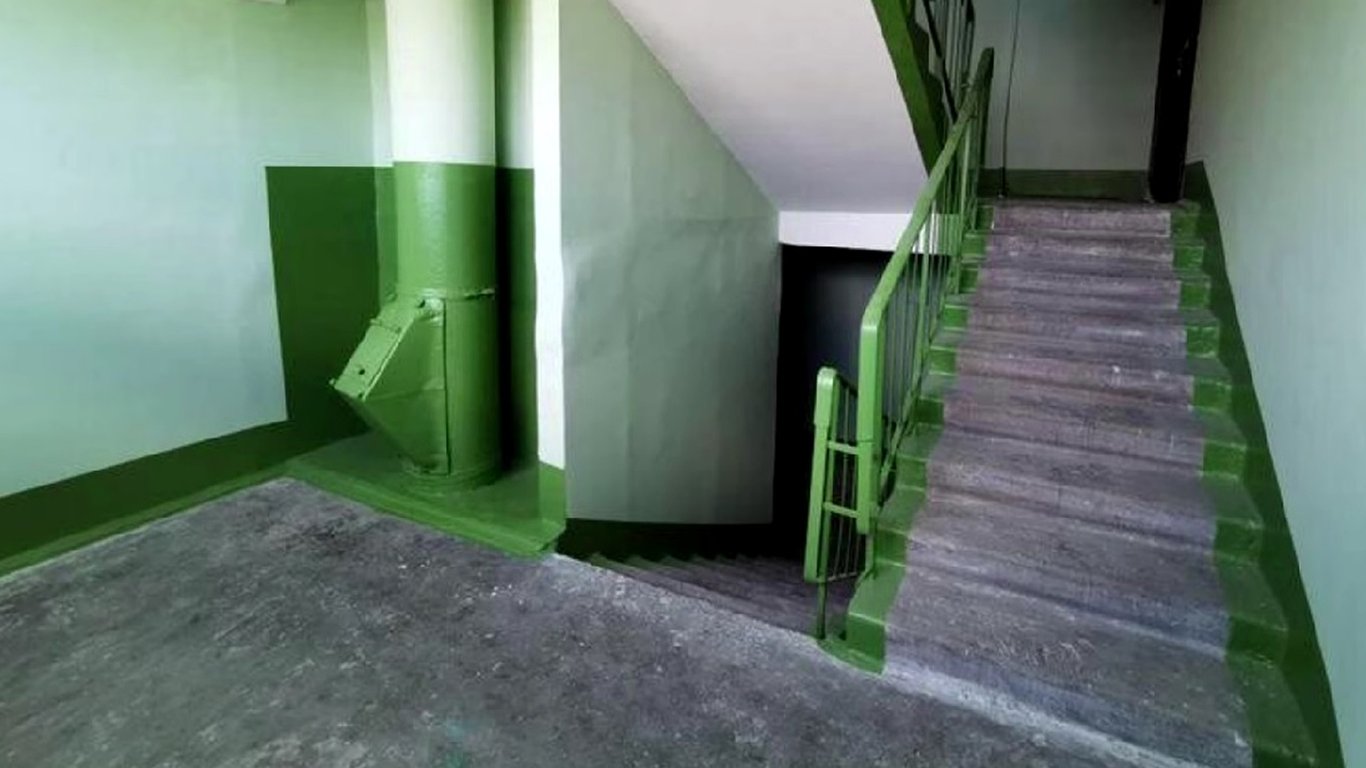
According to Novyny.live: A massive wave of standardized apartment block construction swept across Ukraine in the 1950s. A defining visual feature of these residential complexes was their two-color stairwells: the lower section of the walls was typically painted blue or green, while the upper part was white. This color scheme was not an aesthetic whim but a deliberate choice driven by practical and economic factors. This utilitarian design approach is a hallmark of the Khrushchevka and Brezhnevka-era buildings that still dominate many urban landscapes.
The Popularity and Practical Impact of the Colors
Blue and green paints became the standard due to their widespread availability and low cost. They were mass-produced in large quantities for industrial uses, such as painting railway carriages, trucks, and tractors. The oil-based paint used on the walls served a dual purpose: it provided a clean appearance while also protecting surfaces from dirt, scuff marks, and moisture. This ensured the coating's durability in stairwells subjected to daily wear and tear.
Beyond the walls, special attention was given to the edges of the stair steps. These were also painted to combat dust accumulation, improve resident safety, and reduce maintenance costs for common areas. Painting the stair edges created a visual contrast, enhancing visibility in often poorly lit spaces and lowering the risk of trips and falls. Consequently, the two-tone painting scheme became an integral part of a functional design philosophy aimed at improving comfort and safety for residents within strict budgetary constraints.
This approach to stairwell decoration reflects the Soviet architectural principles of rationality and resource efficiency. The choice of colors and materials demonstrates how a degree of practical comfort and safety could be achieved even with limited means. Today, as these buildings gain historical significance, their distinctive design and finishes are recognized as important elements of cultural heritage, studied and analyzed for the purpose of preserving and restoring this unique architectural identity.
Read also
- Three Ukrainians Without Documents Rescued from Occupied Territories Under Bring Kids Back UA Initiative
- Ukraine’s first underground kindergarten opens in Kharkiv, accommodating 260 children
- Ukraine's ports crippled by Russian strikes: 28 vessels hit, 21 killed
- 24 Children Rescued from Occupied Territories by Save Ukraine, Including Injured 13-Year-Old Anhelina
- Woman Faces Up to 7.5 Years in Prison After Attacking Children for Speaking Ukrainian in Poland
- One of the Most Recognizable Voices on Ukrainian Radio, Journalist Oleksandr, Has Passed Away