Only 7–8 children from occupied territories received the promised 50,000 UAH state aid in an entire year.

Aid for Children in Occupied Areas
According to Novyny.live: A government program offering a one-time payment of 50,000 hryvnias to children from temporarily occupied territories (TOT) has fallen far short of expectations. Over the course of a full year, just 7 or 8 children managed to actually receive this financial support. Experts have raised serious concerns about how well the initiative is working in practice.
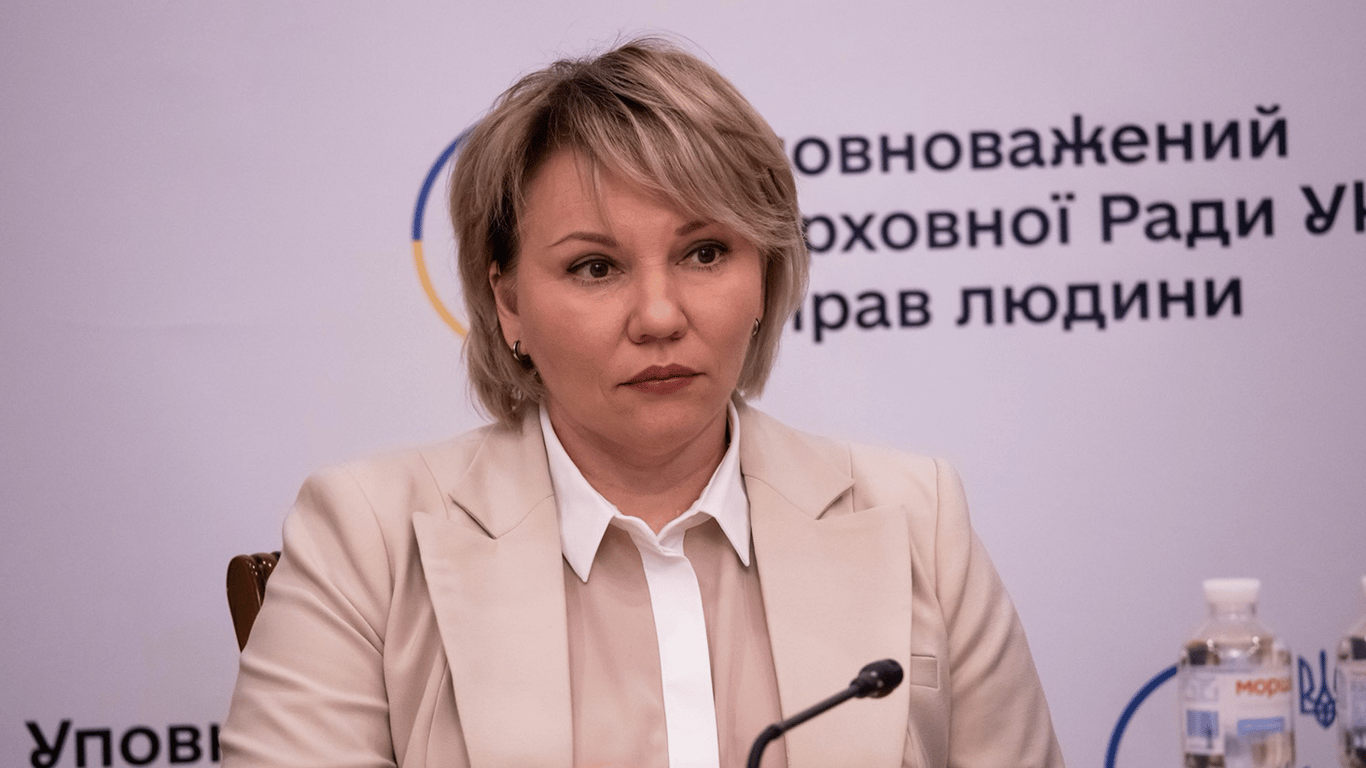
Speaking on the Ranok.LIVE program on March 23, Olha Altunina pointed out the program's shortcomings. She stated:
“It is still not functioning as it should. Last year, eight people received it, and this year, seven. That is far too few. We hope the eligibility criteria will be relaxed soon, so that more children can actually get this help.”Her comments highlight the real difficulties families face when trying to access the promised funds.
Cost of Leaving and Simplified Admissions
Another major hurdle for many families is the cost of leaving the occupied territories, which ranges from 300 to 600 euros. On a more positive note, there is now a simplified admission process for children from TOT—they only need to pass two exams to continue their education. Most applicants receive state-funded university spots, but the issue of financial support remains a pressing concern.
The current situation demands urgent action to ensure that more children from occupied areas can actually benefit from the aid program. Without meaningful changes, the gap between policy promises and real-world outcomes will persist.
Launching a support program for children in occupied territories was an important step by the state. However, its implementation reveals serious flaws. The extremely low number of recipients shows that the mechanisms for accessing financial aid need significant improvement. It is crucial for the government not only to create such initiatives but also to actively work on making them effective, so that the real needs of affected families are met.
Read also
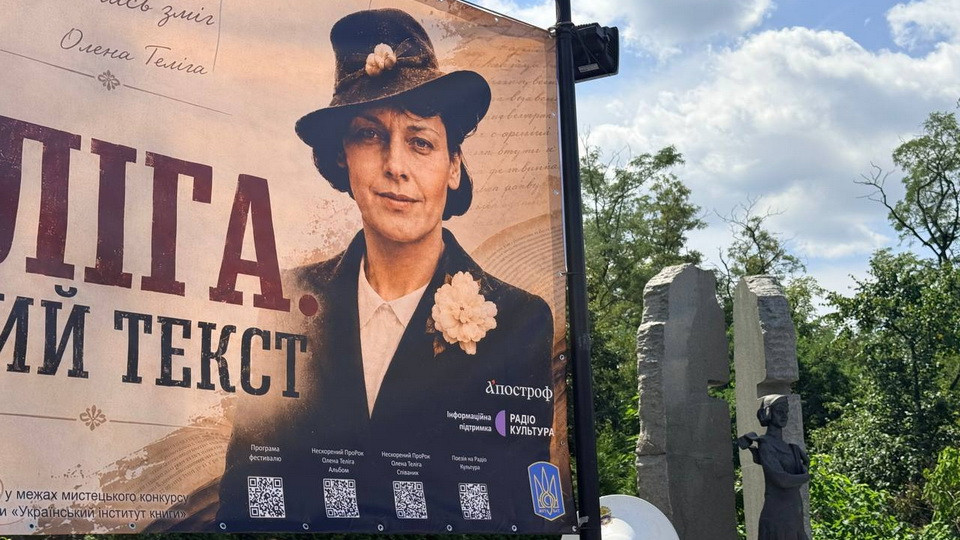
- Poetry, Music, and Remembrance: Honoring Olena Teliha at Babyn Yar
- Population of Donbas Drops by One-Third Over a Decade: Russia's Demographic Devastation
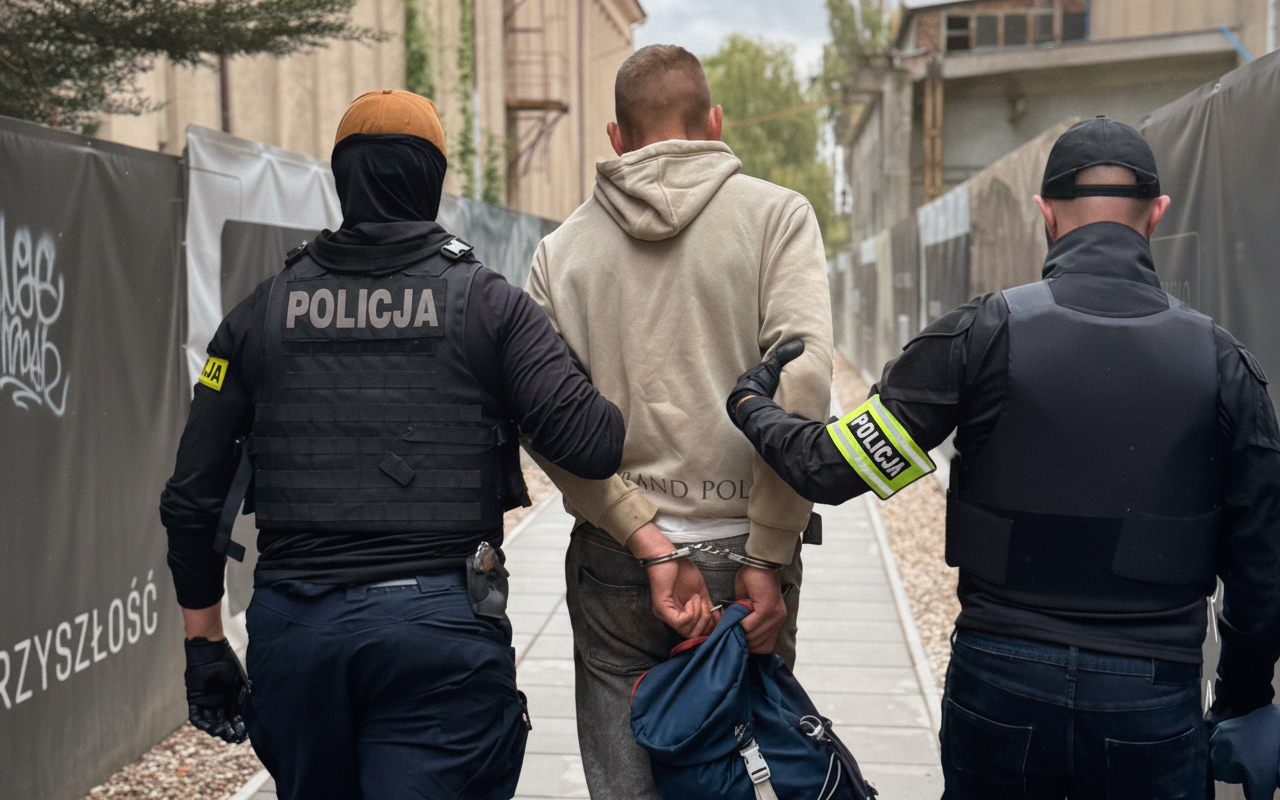
- Two Men Arrested in Poland for Beating a Local Who Defended a Ukrainian Teen
- Teacher Fined in Ukraine for Using Russian in Classroom: Here’s What Happened
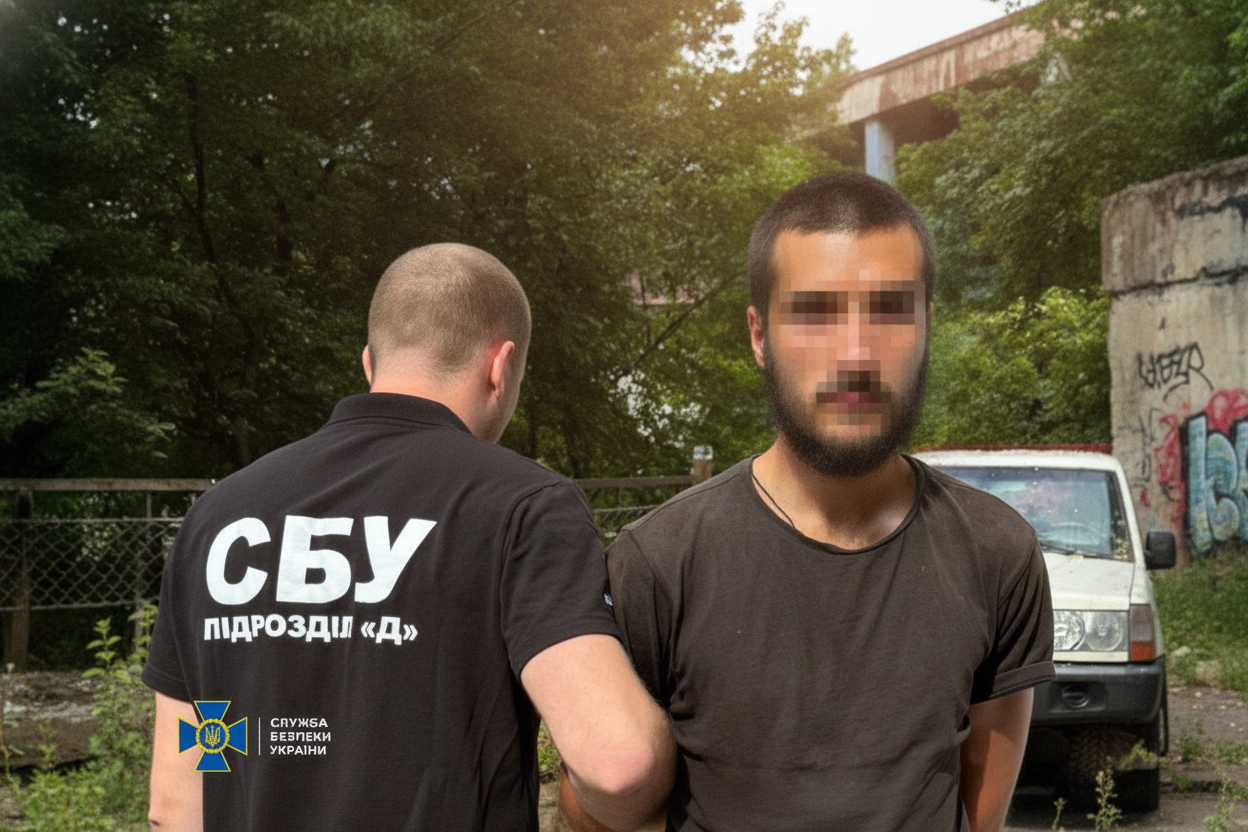
- Ukraine's Security Service Dismantles Fake Job Scheme for Draft Dodgers: Hundreds of Exemptions Sold for $5,000 Each
- Volunteer Threatened and Robbed of $11,000: Inside the Attack