








Advertising



Advertising

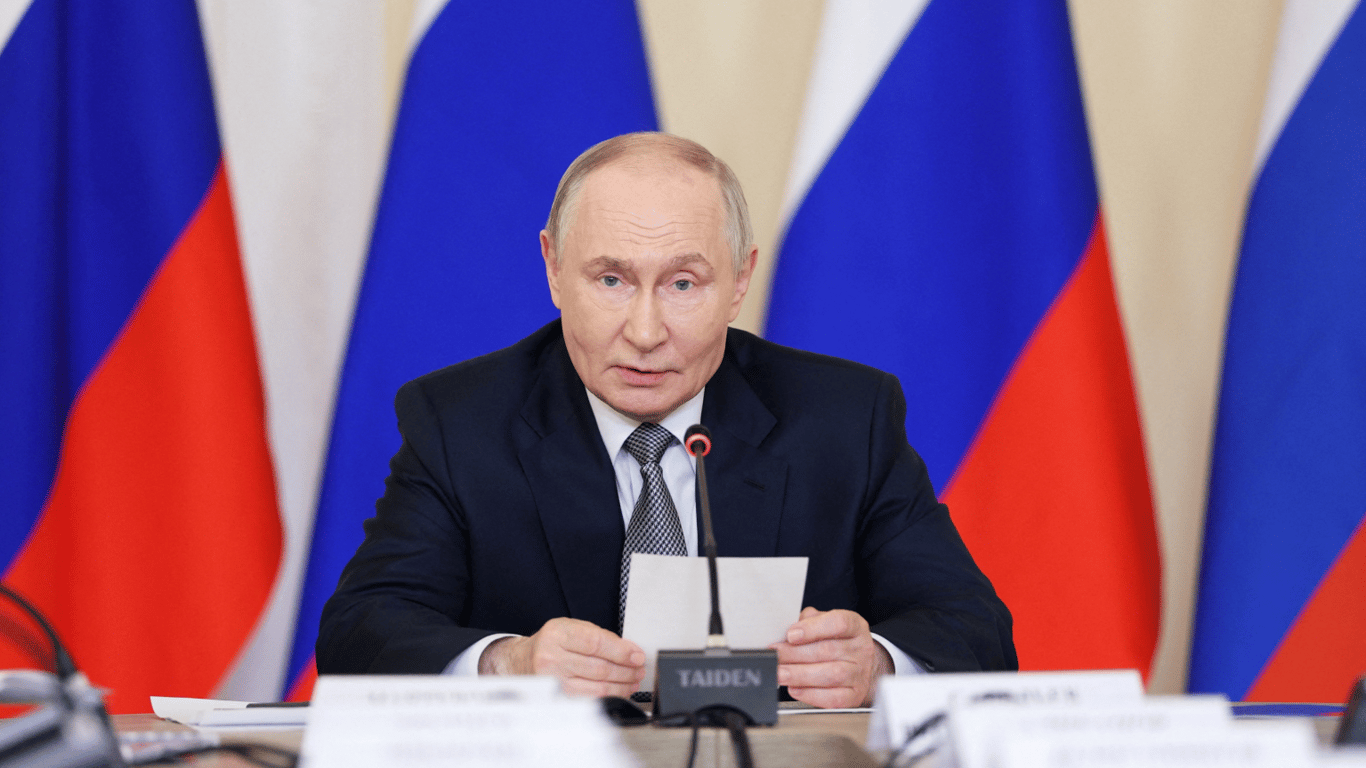



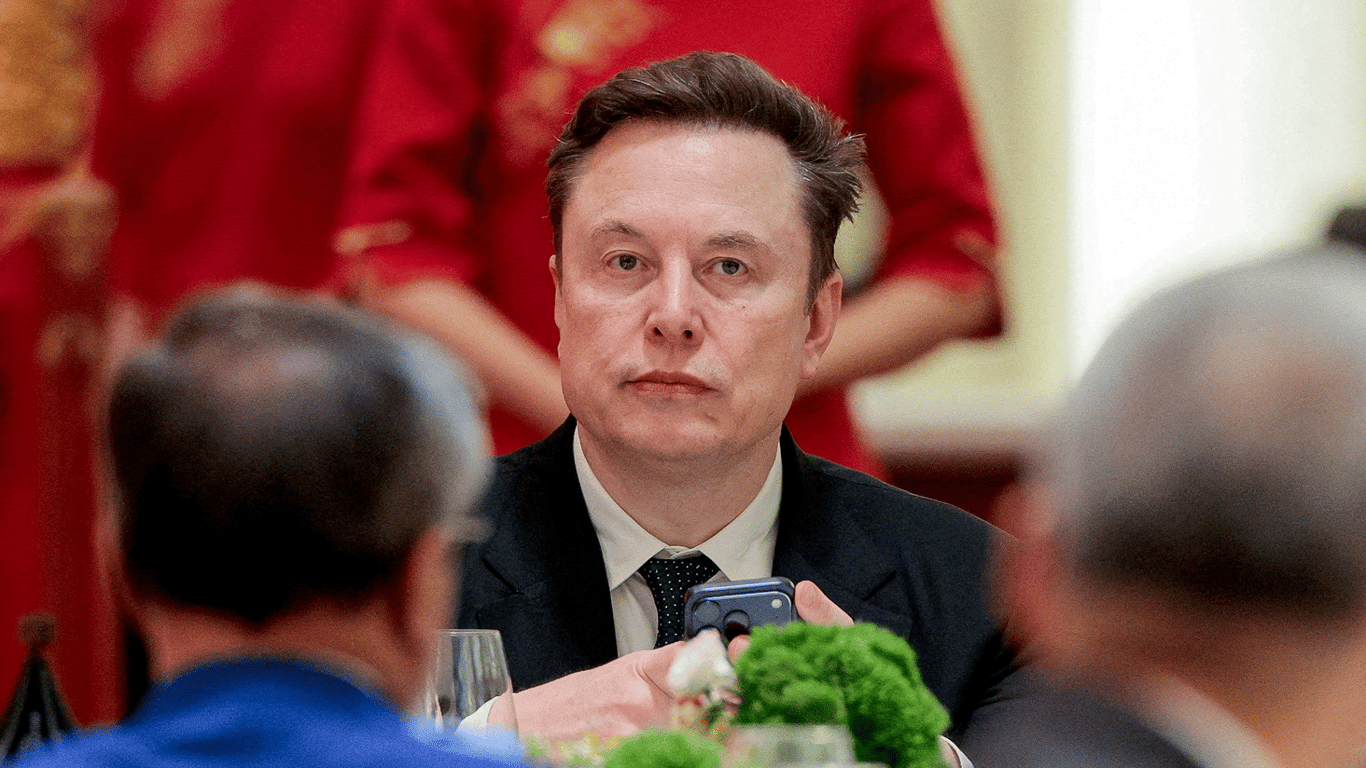
Elon Musk No Longer a Trillionaire: What Happened to His Fortune
Elon Musk's Financial ShiftElon Musk has dropped out of the trillionaire club following a decline in Tesla and SpaceX stock values. According to Bloomberg data, his net worth now sits at $957 billion. While he remains the wealthiest person on the planet, his capital has experienced major shifts due ...
today, 04:24
241

Odesa Faces Nearly Triple Water Price Hike Under Proposed New Rates
today, 03:36
289

Outdated Land Plans Threaten New Housing Projects Across Ukraine
today, 02:42
324
Horoscope
LIFESTYLE



Tourism






No-Bake Sour Cream Cake: A Simple Recipe with Nuts and Dried Fruits
today, 04:12
230
Zucchini Jam with Lemon and Orange: A Perfect Winter Preserve Recipe
today, 02:30
323
Say Goodbye to Yellowing PVC Windows: A Simple Baking Soda Fix for Pristine Frames
yesterday, 23:42
369
Tech




Society



Misleading Price Tags at ATB: What Shoppers Should Watch Out For
today, 03:42
278

Showbiz




Movies about World War II 1941–45: Famous Films and Historical Dramas
yesterday, 17:03
448
Agatha Christie Is Back in the Spotlight: 4 Must-Watch New Series and Films
yesterday, 10:49
455
Penélope Cruz Debuts a Major Makeover with a Chic Bob and Honey Blonde Hair
yesterday, 03:30
505
Four Must-Watch Ukrainian Crime and Mystery Series That Captivate Audiences
yesterday, 02:30
492
Sports




PKP Intercity Cuts Summer Discount in Half: New Terms for Poland's Train Promotion
yesterday, 13:18
487
Jet2 Introduces a 72-Hour Rule: What Travelers Need to Know
yesterday, 08:31
546
New Polish Border Rules: Ukrainians Denied Entry Without Return Tickets and Cash
yesterday, 04:30
443