EU Votes to Ban Russian Gas Imports, Effective 2027.

EU Votes to Ban Russian Gas Imports, Effective 2027
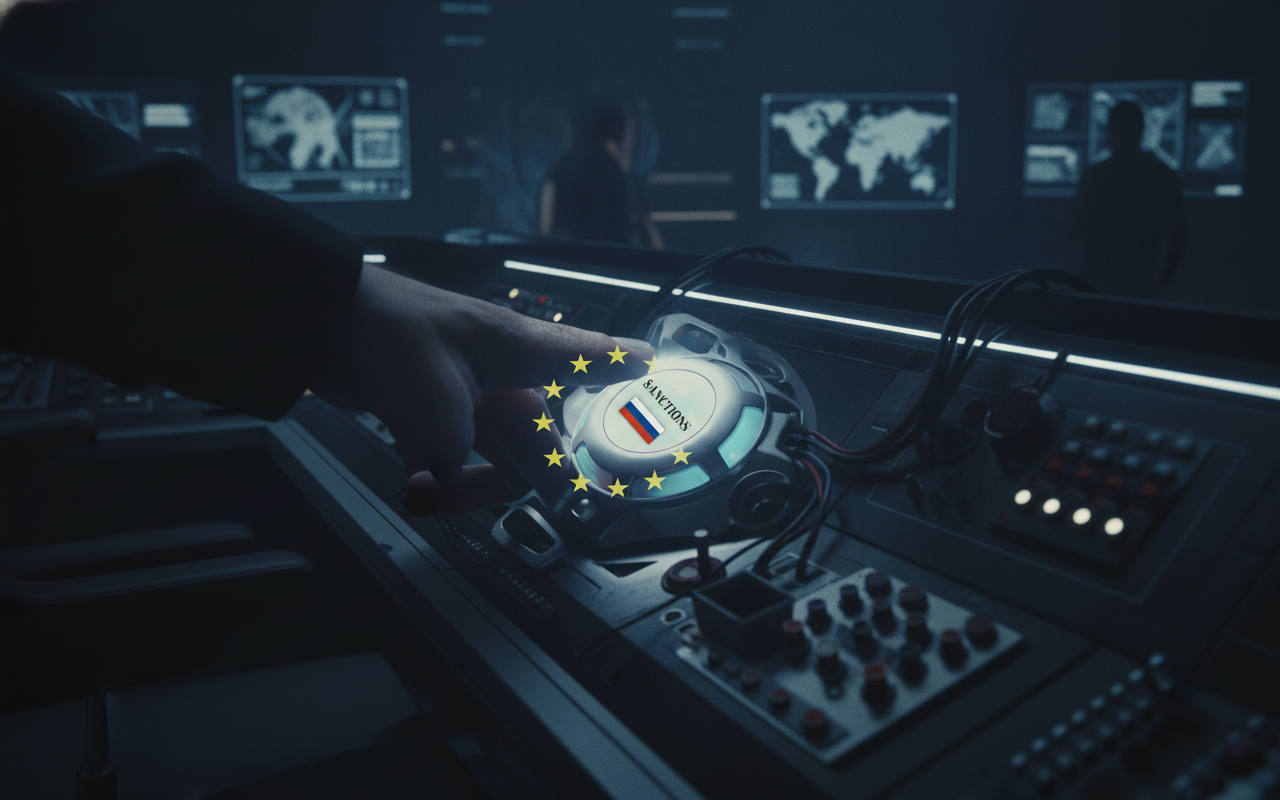
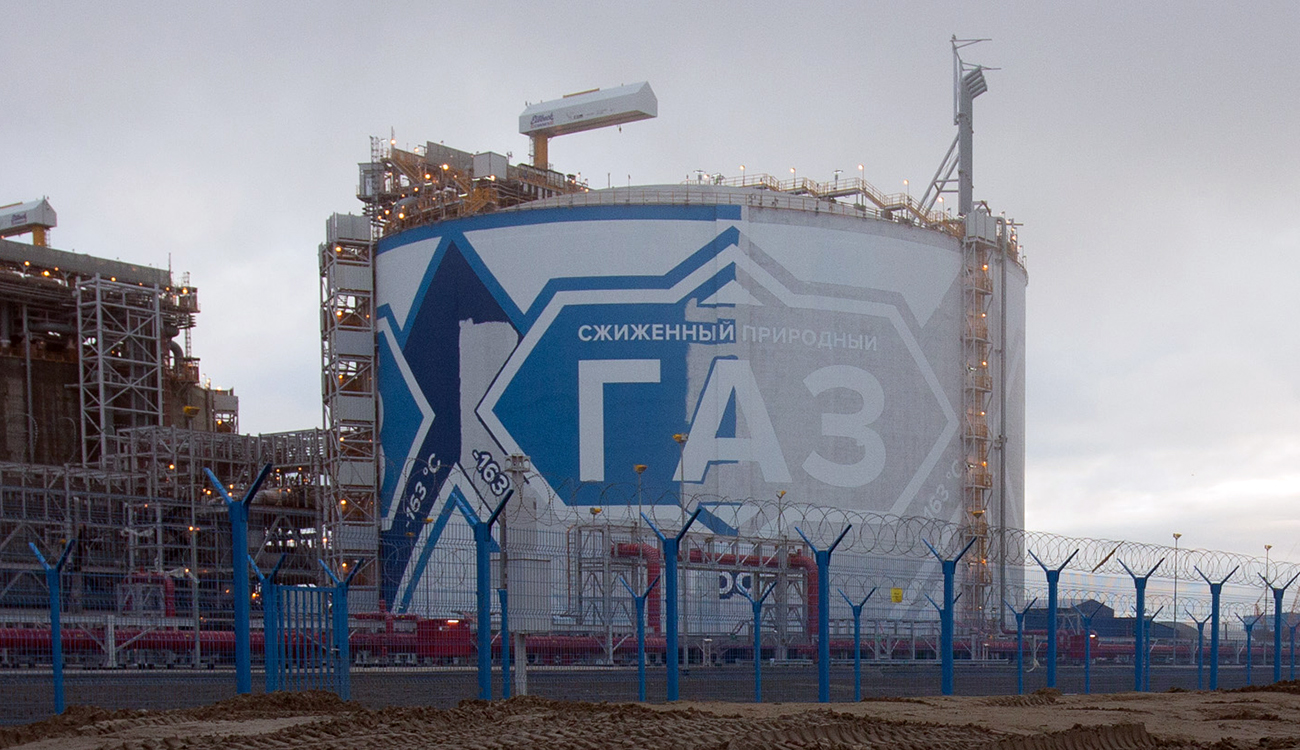
According to UATV: The European Union has formally adopted a regulation that will halt all imports of Russian liquefied natural gas (LNG) and pipeline gas into the bloc, effective January 1, 2027. This landmark decision, part of a broader strategy to sever energy ties following Russia's invasion of Ukraine, was supported by 24 member states. Hungary and Slovakia voted against the measure, while Bulgaria abstained. To enforce the ban, the EU will impose substantial penalties for violations, with fines starting at a minimum of 2.5 million euros for individuals and 40 million euros for companies.
This marks a dramatic shift from 2014, when the EU relied on Russia for roughly 44% of its energy imports. The subsequent diversification of supply has significantly reduced this dependency. According to the new rules, a complete halt on pipeline gas imports from Russia will take effect on September 1, 2027. The economic impact on Russia is already visible, with the country registering only 173,000 legal entities in 2025—its lowest figure in 14 years.
Statements from EU Officials
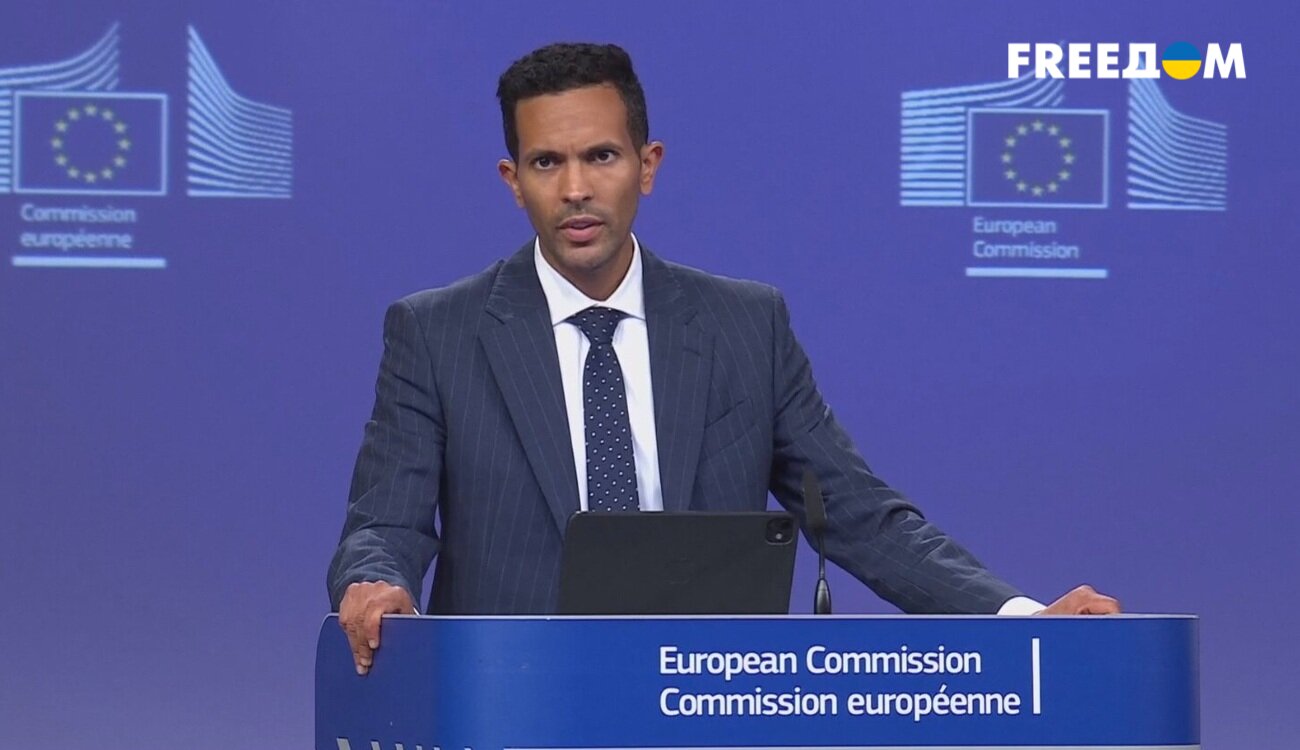
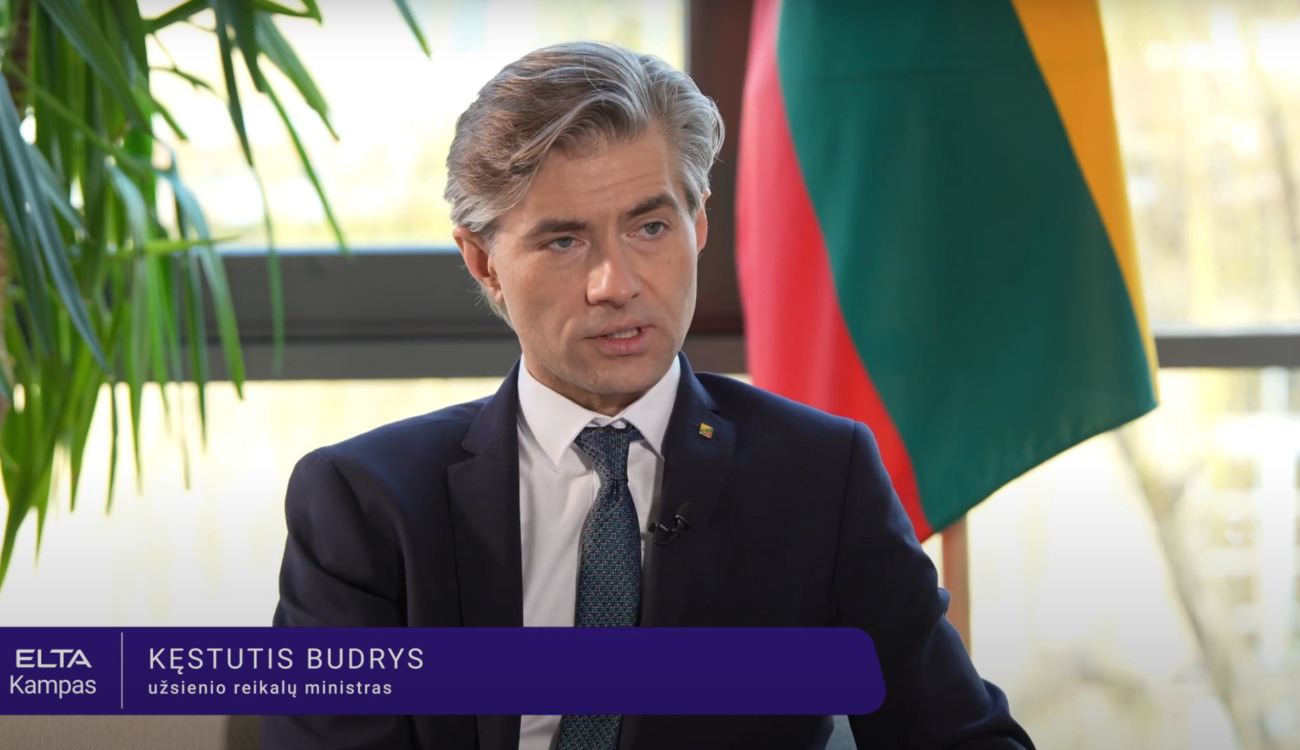
EU leaders have expressed firm resolve in ending reliance on Russian energy. Dan Jørgensen stated,
“We will no longer allow you to use energy as a weapon against us,”underscoring the bloc's commitment to energy sovereignty. Michael Damianos noted,
“From today, the EU energy market will become stronger, more resilient, and more diversified.”
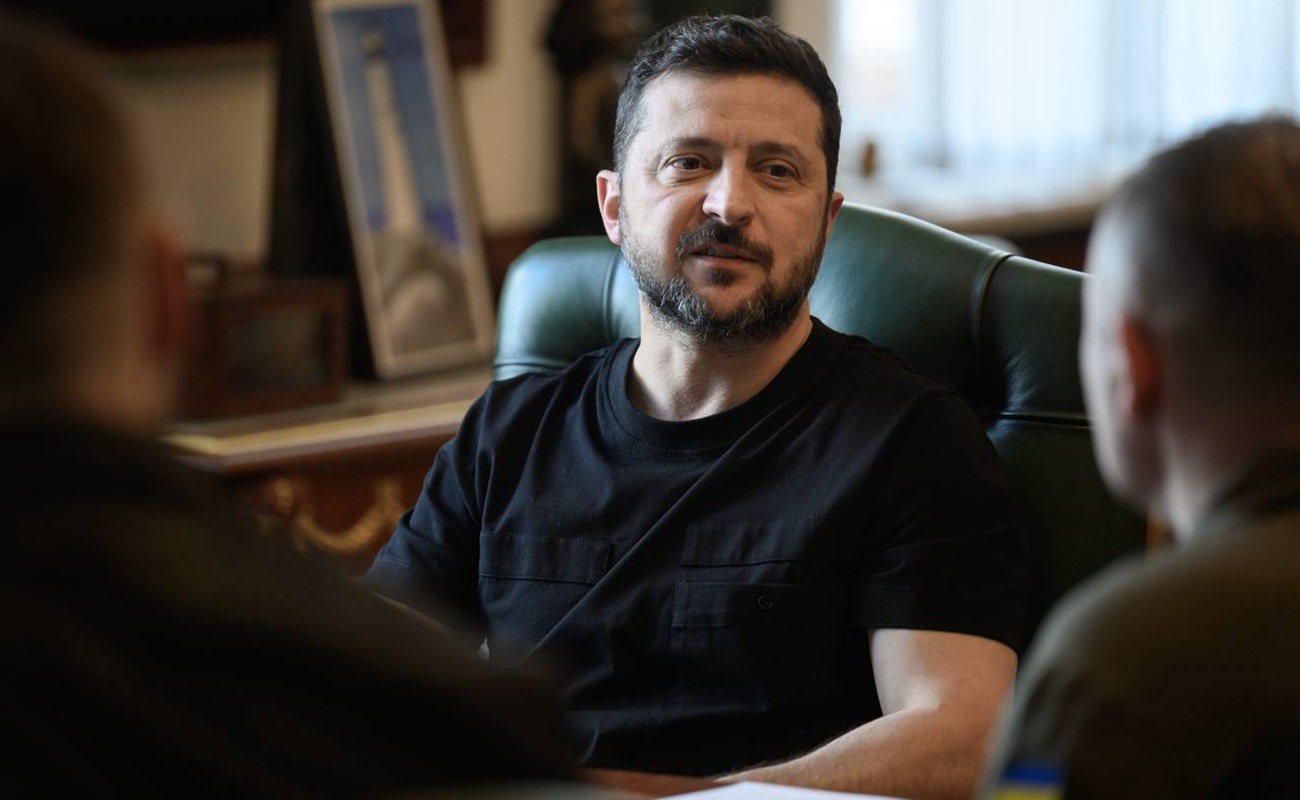
Ukrainian President Volodymyr Zelenskyy emphasized the need for continued pressure, stating that “Europe must be determined and continue its sanctions pressure.” Russian Energy Minister Andrey Novak acknowledged the move, remarking that “Russia is definitively losing its largest sales market.” However, as analyst Oleg Posternak pointed out, “a huge number of European countries continue to trade with the Russian Federation across all other product categories,” indicating that economic links in non-energy sectors largely persist.
This new EU regulation signals a clear intent to drastically reduce dependence on Russian energy resources and bolster the bloc's energy security. It represents a significant step within global efforts toward energy independence and a transition to renewable sources. The continuation of trade with Russia in other areas, however, highlights the complexities of fully decoupling from the Russian economy and suggests that further strategic reviews by the EU may be necessary.
Read also
- Zelensky and Top Military Command Outline Response Plan to Russian Strikes
- EU Adopts 21st Sanctions Package Against Russia: What the New Restrictions Target
- Deadly Strikes Hit Kyiv Region and Sloviansk: 11 Killed, Dozens Wounded
- Ukrainian Forces Strike Kirov’s Avitek Plant: Key Military Components Under Sanctions
- A Vatican Meeting Shifted Zelenskyy’s Relationship With Trump: What Happened at St. Peter’s Basilica
- Zelensky Warns of Black Sea Grain Corridor Blockade as Ukraine Calls UN Security Council Meeting