Harry Potter and the Author's Sin: Can We Separate Art from the Artist?.

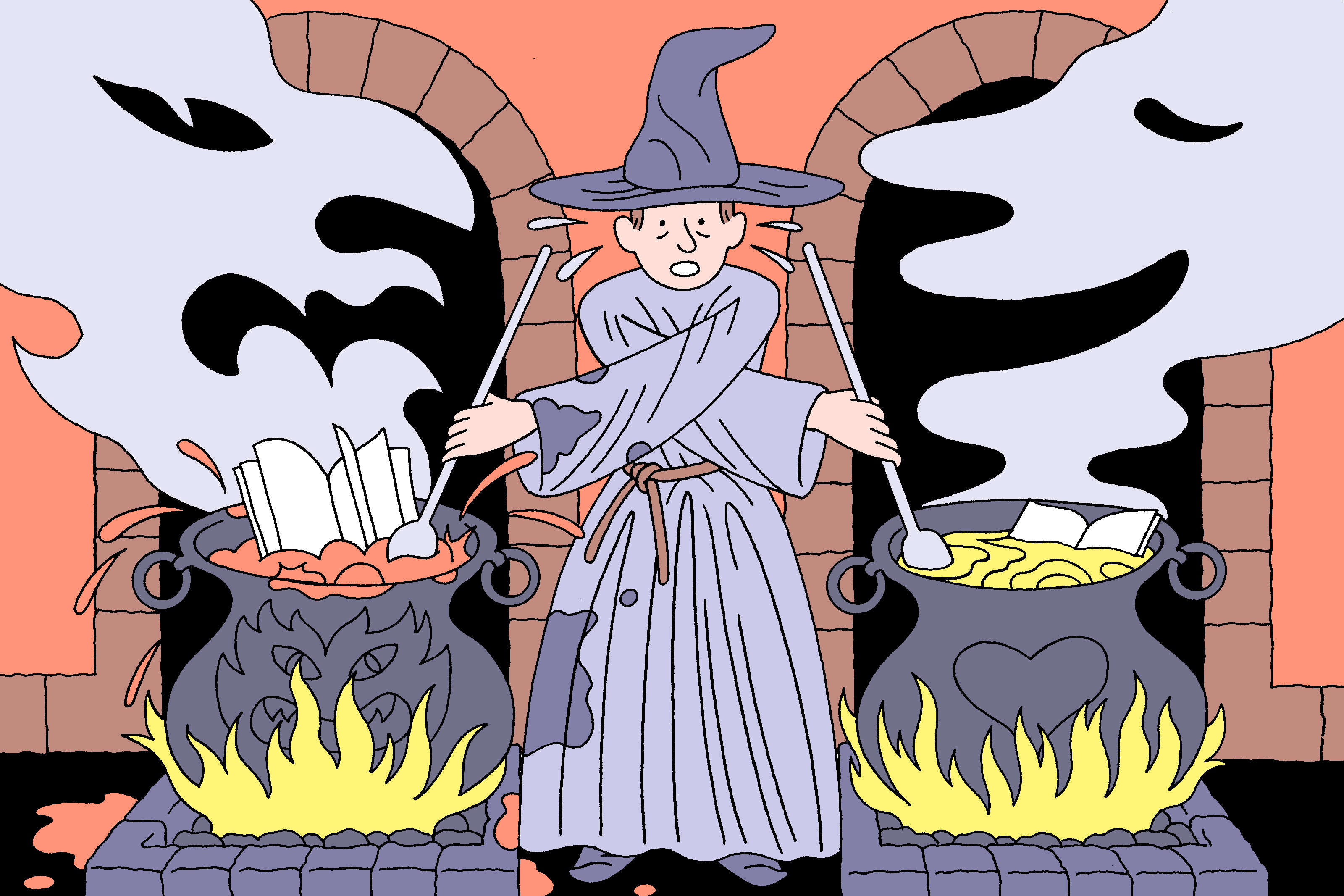
According to Vox: Your mileage may vary — this is a column of advice that offers a unique frame for pondering your moral dilemmas. It is based on the pluralism of values — the idea that we have multiple values that are equally significant, but often contradict one another. To send in a question, please fill out this anonymous form. Here is this week's question from a reader, condensed and edited for clarity:
Discussion About JK Rowling
My partner and I have disagreements regarding JK Rowling, and we want you to weigh in. For reference, we are a same-sex couple, and despite our different upbringings, we usually share similar moral and political views.
I love the world of Harry Potter — the books, movies, Broadway shows, video games, etc. She has never been interested in it. We both agree that JK Rowling's transphobia is problematic, and we will not tolerate that. But I still want to immerse myself in the Harry Potter world because I believe it carries a positive message overall.
To reduce the guilt I feel whenever I buy something related to Harry Potter that may profit JK Rowling, I subsequently donate a larger sum of money to the Human Rights Campaign. This is in addition to what we typically donate to HRC. Is this acceptable? Is this hypocritical? Am I an ethical Slytherin? Consider this for us.
Dear Winna Gryffonko,
Ah, the classic question of “can we separate art from the artist”! I do not condemn you for wanting to engage with JK Rowling's work.
I believe it is perfectly normal to read books written by problematic authors, as one can separate the wheat from the chaff in their works. To think that readers are incapable of this merely limits their intellect.
Many of us have to become specialists in this literary separation, as 99 percent of the books humanity offers contain refuse. I am a queer leader, and if I had to exclude from my library all the books by authors who are anti-LGBTQ, anti-Semitic, or misogynistic, my shelves would be practically empty!
In the case of JK Rowling, her work also raises questions. We know how provocative she is regarding gender issues and how much pain she has caused her fans. She is not an author who lived centuries ago; she is active and currently still profits from Potter-related purchases.
“In the war against moral insensitivity, the artist is our comrade in the struggle, often our guide,” writes contemporary philosopher Martha Nussbaum. According to her, good works help develop our capacity for moral attention.
These books have indeed taught generations of young readers to be sensitive toward discrimination and to reject it. Many of these readers, now grown up, reject Rowling's views on trans issues on this basis.
Some of these readers may also choose to abstain from her books. Some do, and that is perfectly valid. But some do not — and that’s okay too.
Therefore, I recommend connecting with other Harry Potter fans to enjoy and analyze the content together. Whether it's a book club, movie watch, a gaming night with friends, or an episode of Harry Potter and the Sacred Text, the essence is to engage with the content and then discuss it critically.
If you engage with Rowling's works in this way, I believe the positive social value you will create will outweigh any negative. And, importantly, I suspect you may find you can stop feeling guilty.
Your strategy lies in avoiding feelings of guilt by focusing on the financial aspect — how your Potter-related purchases ultimately benefit Rowling. That is what you can “offset” by donating to the Human Rights Campaign.
But that's not enough. You still feel guilty, which indicates that your internal sense does not allow for simply purchasing moral absolution.
Remember, avoidance of systemic change is how Rowling handles themes in her books. You can do more.
Bonus: What I Am Reading
- I really enjoy David Hume, as unlike many philosophers, he was a good writer. His prose has literary quality. So I was surprised to learn from this article that “it was Hume who helped separate what we now call 'literature' from 'philosophy.'”
- The Noema Journal has an interesting article asking whether we should use gene editing technology CRISPR to engineer species so they don’t go extinct.
- Among all the discussions about AI and cognitive atrophy, this article from the Cosmos Institute captured my interest. The author, Harry Low, questions what the new technology that avoids the destruction of our autonomy actually means.
Discussing the issue of JK Rowling touches not just on her personal views, but also questions how we consume art. It’s important to be able to distinguish works that bring joy from the personal beliefs of their authors. In our time, where moral dilemmas and social issues become urgent, this discussion helps clarify our views on art and its creators.
Your desire to support humane values by donating to charity speaks to the sincerity of your intentions. Each of us determines how to engage with cultural products, and it’s important to walk our own path while bearing social responsibility in mind.
Read also
- 501 Fallen Repatriated to Ukraine; Over 300 Died While in Captivity
- Ukraine Receives 522 Bodies in Its Largest-Ever Repatriation Operation
- Statehood Day Marked Across Ukraine with Prayer Services and Public Gatherings
- From Survival to Growth: How Education and Its People Are Reshaping Kharkiv
- 23 Children Rescued from Occupied Territories: A New Win for Ukraine’s Bring Kids Back UA Initiative
- How Adaptive CrossFit Helps a 3rd Brigade Veteran Master His Prosthetic