









Advertising






UDP Leadership Accused of Asset Theft: Losses Hit $7 Million
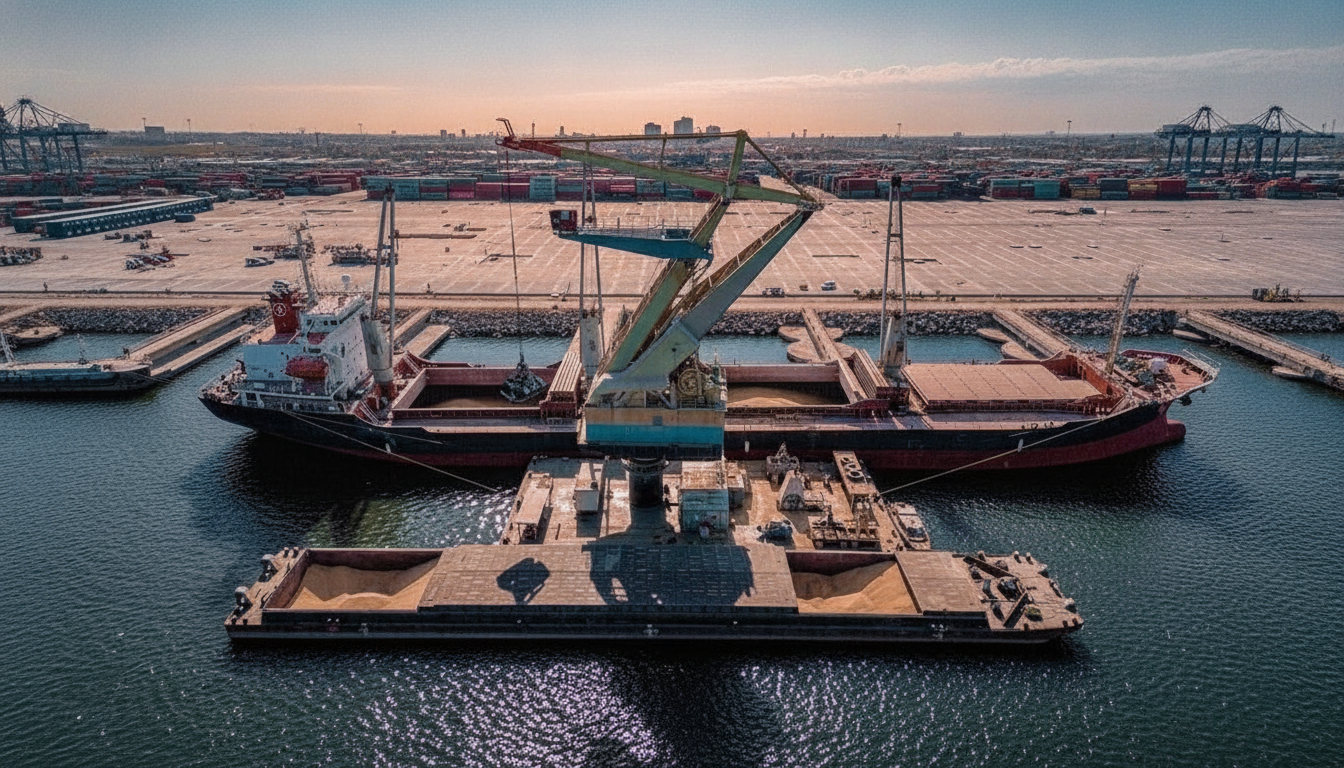
Turmoil at the Ukrainian Danube Shipping Company Tensions are escalating between the management of the Ukrainian Danube Shipping Company (UDP) and its supervisory board amid allegations of asset misappropriation. In early May 2023, UDP Supervisory Board Chairman Benoît Pleska urged parliament to la...
yesterday, 20:36
389


Half a Million Bankruptcies in One Year: Russia’s Economy on the Brink of Collapse
yesterday, 17:36
466
Horoscope
LIFESTYLE
Tourism







Tech


NVIDIA to Skip RTX 60 in 2027, Launching RTX 50 Super Instead
yesterday, 19:48
451
CATL unveils electric truck battery that charges in just 7 minutes
yesterday, 15:54
389


Society


Showbiz


Lesya Nikityuk Flees Kyiv with Her Son Amid Russian Strikes: Where She Went
yesterday, 22:54
351


Ukrainian Actor and Blogger Bushe Receives IV Therapy: Details of His Hospital Stay
yesterday, 21:54
363
Sports



Olympic Champion Beleniuk Fires Sharp Criticism at IOC Over Russian Athlete Decision
yesterday, 23:12
363
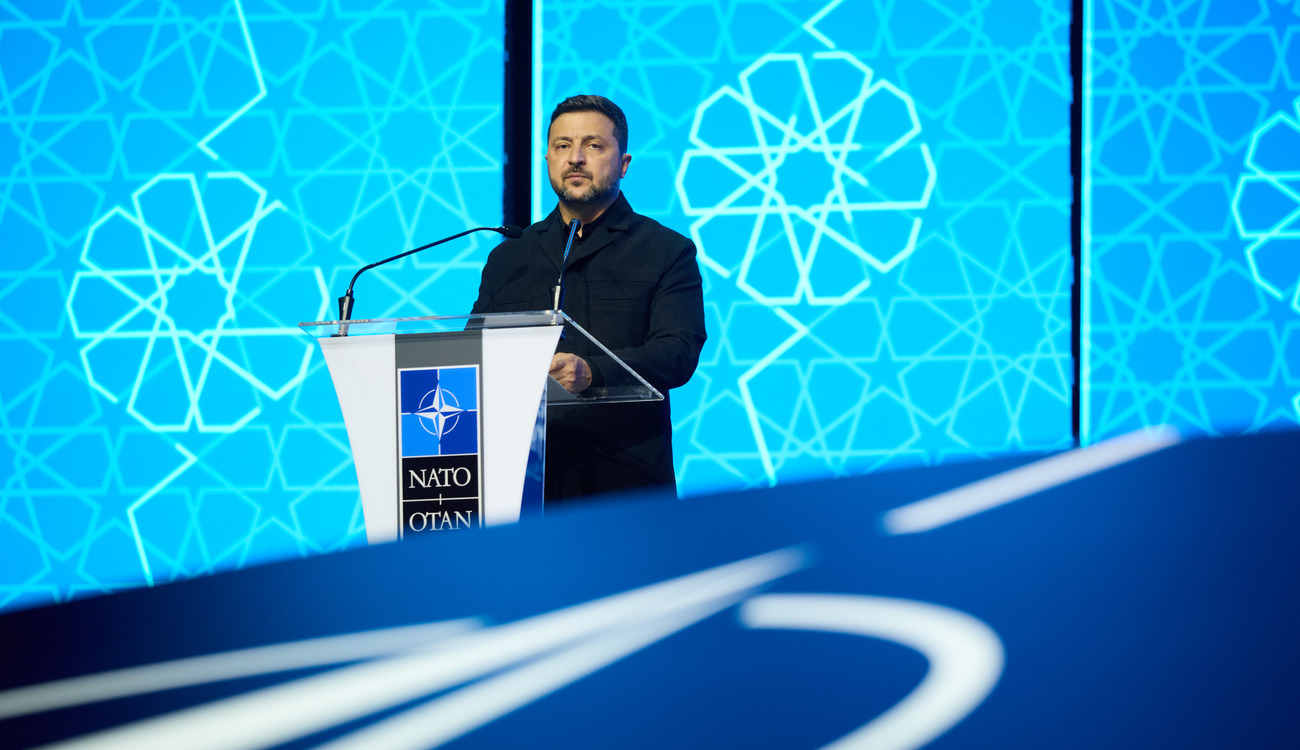
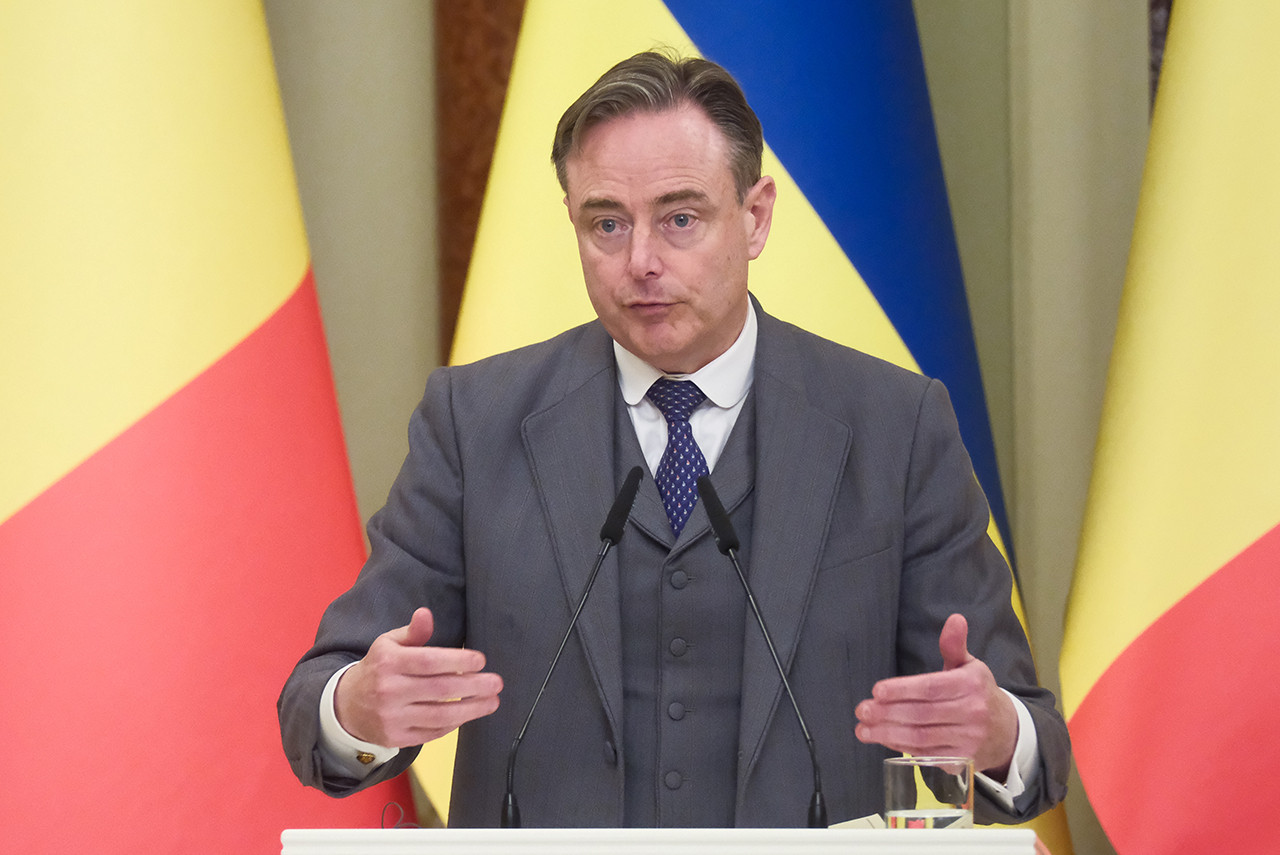
Belgian Prime Minister Announces Football Victory Over the US During NATO Summit
yesterday, 23:06
358
Russian athletes cleared to compete again as FIVB lifts ban on volleyball teams
yesterday, 22:36
388
Marta Kostyuk Reaches Wimbledon Semifinals for the First Time: Match Score Revealed
yesterday, 18:48
395



Tourists Amazed: The KonMari Method Saves Luggage Space
yesterday, 16:48
374