







ISW Debunks Gerasimov’s Exaggerated Claims About Russian Gains on the Frontline.

Gerasimov exaggerates Russian front successes

Information Manipulation Tactics

According to TSN.ua: Russia is attempting to fabricate the impression of a collapse in Ukraine’s defenses by distorting data on captured territory. While Russian Chief of General Staff Valery Gerasimov inflates the achievements of his troops, analysts at the Institute for the Study of War (ISW) have verified only a fraction of his statements.

On March 16, 2026, Gerasimov visited the command of Russia’s Southern Grouping of Forces and claimed that Russian units had seized 12 settlements. However, ISW confirms just two of those captures. He also reported an advance of 12 kilometers west of Siversk, but ISW recorded actual progress of only 4.55 kilometers.

As of March 17, 2026, there are no Russian forces in Lyman. Gerasimov asserts that Moscow controls over 60% of Kostiantynivka, yet ISW data shows that only a small portion of the city remains under Russian control. Meanwhile, since the start of 2026, the Armed Forces of Ukraine have liberated more than 400 square kilometers of territory near Oleksandrivka and Huliaipole.

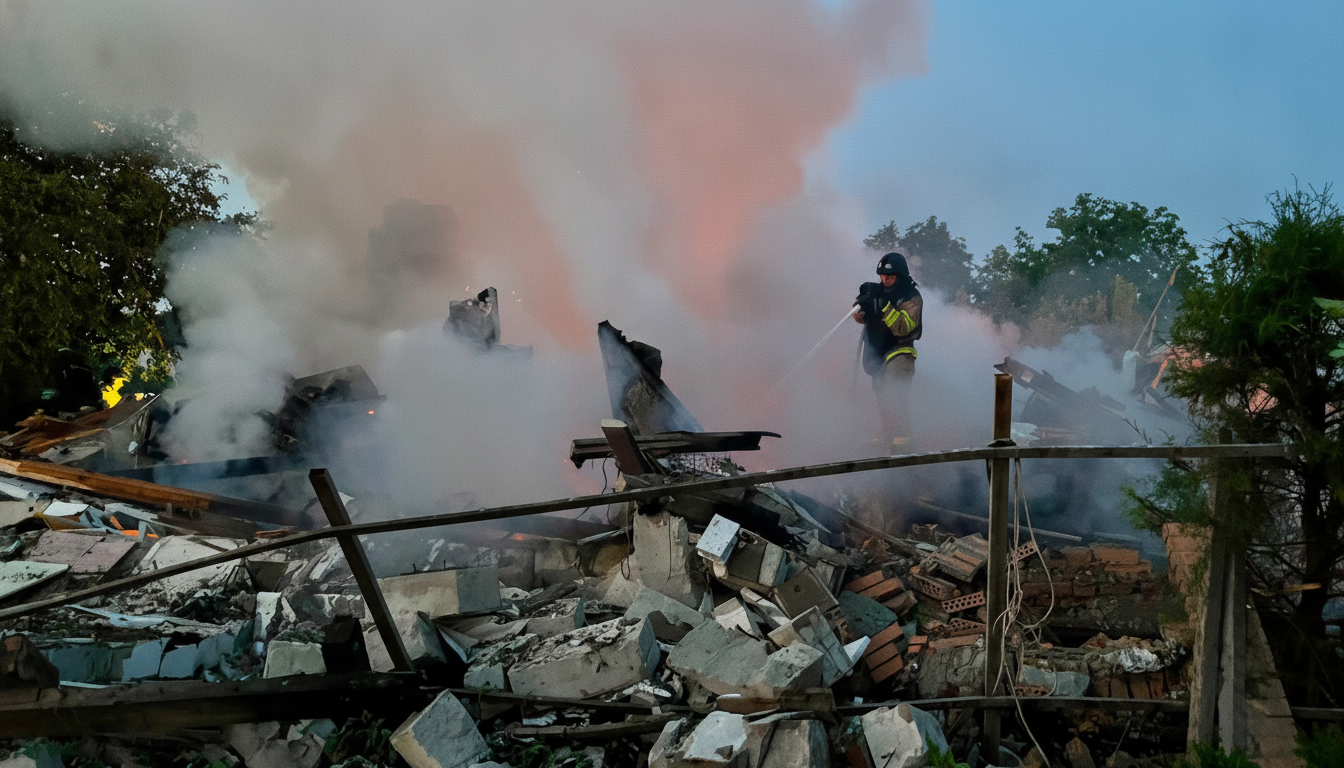
Disinformation vs. War Realities

In this context, it is worth noting that by trying to project success, the Russian side is effectively downplaying Ukrainian military gains in the Zaporizhzhia region. Russian Foreign Minister Sergey Lavrov has also stated that Moscow will not halt its aggression unless Ukraine accepts the new realities on the ground. These developments highlight Russia’s efforts to pressure Ukraine into concessions through disinformation and manipulation.

The growing wave of Russian disinformation underscores the critical need for independent verification and analysis of frontline developments.

In a war where information warfare is a key component of the conflict, accurate reporting can significantly affect morale and strategic decisions on both sides. This case demonstrates how manipulation can be used to shape public opinion and influence international relations. It is essential that the global community remains well-informed and approaches official statements from all parties with critical scrutiny.


Read also

Advertising