







European Powers Bolster Cyprus Defenses Amid Iranian Strikes on Turkey and Azerbaijan.

Europe strengthens Cyprus defense

Middle East Tensions Intensify

According to TSN.ua: Recent aggressive actions by Iran have heightened Middle East tensions, prompting a significant response from European nations and the United States. On March 4th, Turkey intercepted and shot down an Iranian ballistic missile, marking the first in a series of escalating regional incidents. The following day, March 5th, Iran launched an attack on Azerbaijan, resulting in injuries to two civilians. These events underscore the deteriorating relations between Iran and its neighboring states. The situation is unfolding against a backdrop of long-standing regional rivalries and proxy conflicts.

European Military Response

In reaction to Iran's aggression, European countries are reinforcing their military posture in the Eastern Mediterranean. Spain has decided to deploy the frigate 'Cristóbal Colón' to Cyprus, while Italy is mobilizing multi-role forces equipped with air defense systems. As Italian Defense Minister Guido Crosetto stated:

“We intend to deploy multi-role forces with air defense systems in the Middle East to counter drones and missiles.”

France has also dispatched the aircraft carrier 'Charles de Gaulle' to the Mediterranean, and Greece has relocated four F-16 fighter jets and two frigates to Paphos.

These deployments form part of a broader European strategy to counter Iranian attacks and ensure regional security. The Turkish Ministry of Defense declared:

“Any steps necessary to protect our territory and airspace will be taken decisively and without hesitation.”

Meanwhile, the General Staff of Iran's Armed Forces has asserted that 'the Armed Forces of the Islamic Republic of Iran respect the sovereignty of neighboring and friendly Turkey.'

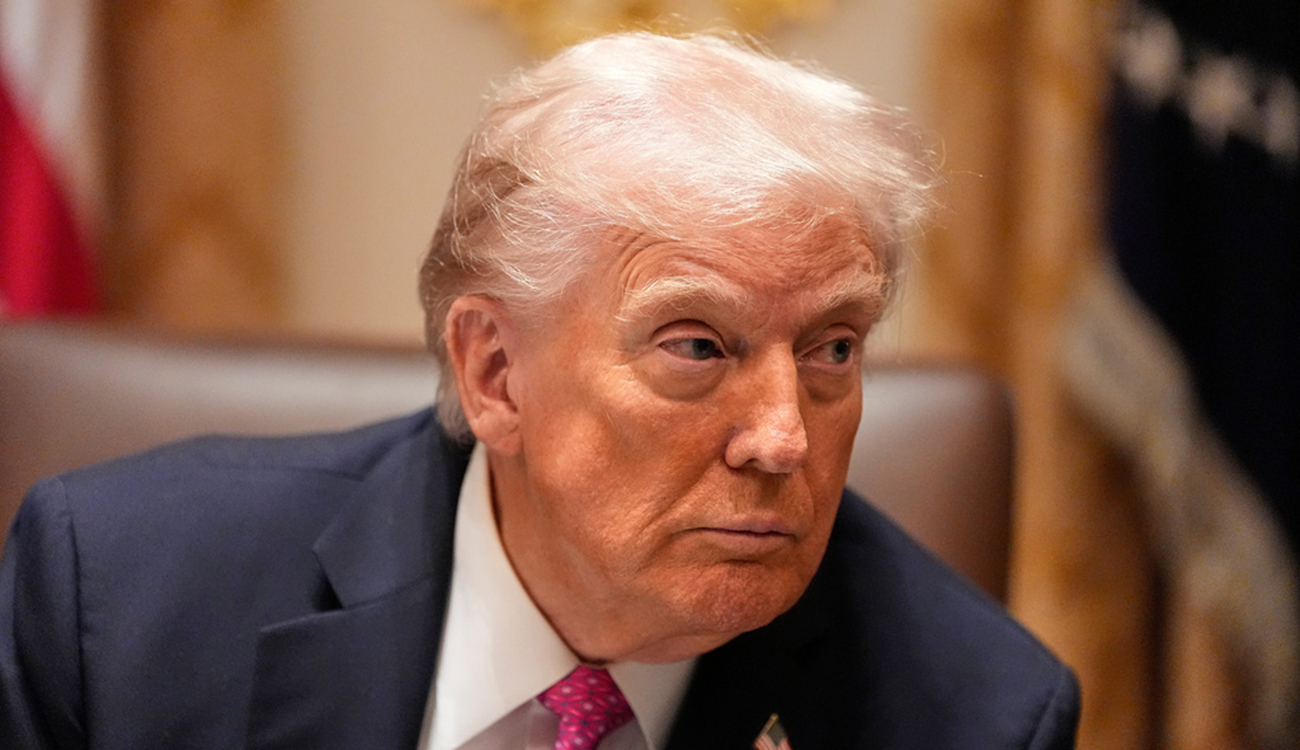
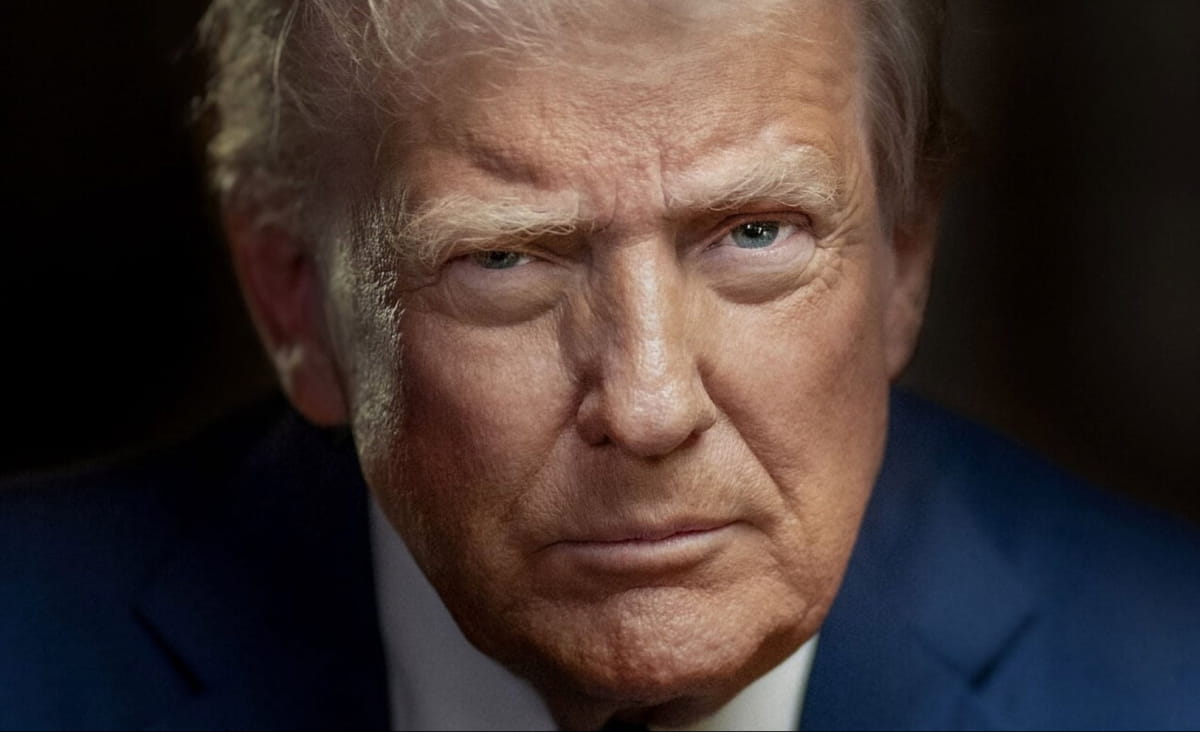
Discussions regarding the potential invocation of NATO's Article 5 have already begun in light of the Iranian strikes, as allies debate collective measures to counter the threats. The United States is also deeply involved, having reportedly asked Ukraine for assistance in countering 'Shahed' drones in the Middle East. Concurrently, Donald Trump has stated that the U.S. does not plan a ground invasion of Iran, which may signal a limit to Washington's direct military engagement in this conflict. This complex web of alliances and responses highlights the global implications of the regional instability.

Europe, facing this escalation, is preparing for a potential wider conflict as the situation remains volatile, with the consequences of an open war already being felt. According to analysts, Washington is struggling to manage the fallout from these events, adding further strain to international relations in the region.

This escalation in the Middle East illustrates the intricate nature of international diplomacy and the critical need for vigilant monitoring. The European response to Iranian aggression reflects growing concerns over regional security and a determination to uphold stability in the face of emerging threats. It is crucial that international organizations and allied nations continue to seek pathways to de-escalate tensions and prevent the conflict from spreading further.


Read also

Advertising