








Are Javelin Missiles Losing Their Edge in Ukraine's Drone-Dominated War?.
Javelin Missiles: An Icon of Ukrainian Resistance
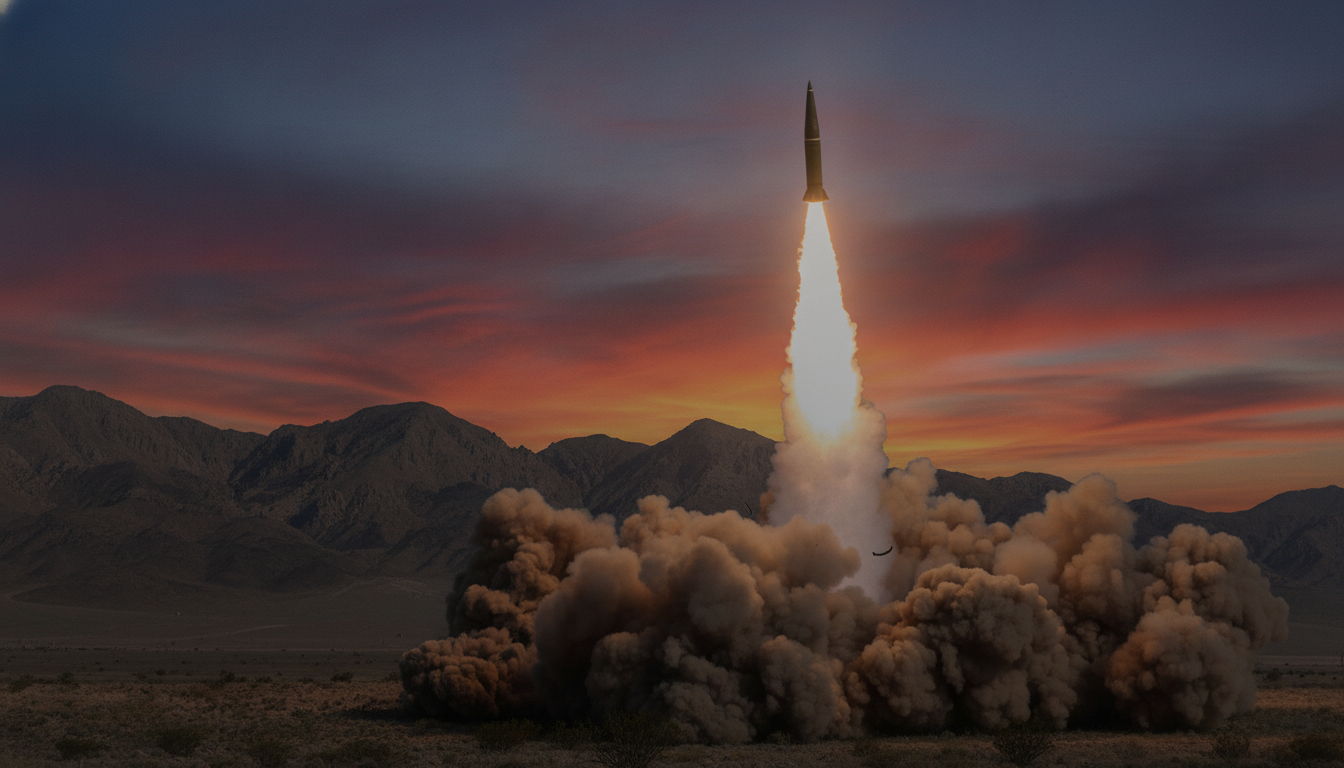
According to TSN.ua: The Javelin anti-tank missile became a powerful symbol of Ukrainian defiance against the Russian invasion in 2022. Its importance for Ukraine's defense has only grown amidst intense combat and the need to repel Russian assaults. Each Javelin system costs between $178,000 and $249,700. At the war's outset, manufacturers Lockheed Martin and Raytheon were producing roughly 2,100 units annually. However, plans were made after 2022 to ramp up production to 4,000 systems per year to meet the Ukrainian army's urgent demands.
The Challenges and Advantages of Deploying Javelins
Expert analysis suggests Ukraine requires approximately 500 Javelins per day to effectively counter Russian attacks. A key strength of the system is its proven reliability, boasting a 95% success rate in Spiral 2 testing. Yet, significant challenges accompany its use, including the need for extensive operator training to achieve maximum effectiveness.
Furthermore, the proliferating use of unmanned drones is now challenging the Javelin's cost-effectiveness in certain combat scenarios. A low-cost kamikaze drone can often perform a similar strike function for a fraction of the price.
"The widespread adoption of First-Person View (FPV) drones provides comparable top-attack capabilities at a significantly lower cost than a Javelin."
This shift highlights an evolution in military tactics and the pressing need to adapt weaponry to new battlefield realities.
Consequently, while the Javelin remains a vital component of Ukraine's defensive arsenal, the rising prominence of drone warfare may influence its future deployment and production. The issues of supply and whether the benefits justify the substantial expense are becoming increasingly pertinent in modern conflict.
The situation with Javelin missiles in Ukraine reflects a broader trend in contemporary warfare, where rapid technological advancement forces constant tactical adaptation. As drones become more accessible and effective, militaries worldwide may need to reassess their strategies and investments in traditional weapon systems. This evolution could lead to shifting priorities in military procurement and new training requirements for personnel.
Read also
- What to Know About the Used Nissan Leaf in Ukraine: A Popular Electric Car
- Syrskyi Warns of New Air Threat: Russia Ramps Up Production of Jet-Powered Drones
- Can a Solar Panel Keep Your Home Running During a Blackout?
- Ukraine Could Acquire Ballistic Missiles by Year-End: Key Details on the FP-7.X
- How to Remove the Mysterious Line Under the Battery Icon on Your iPhone Lock Screen
- Ukraine’s Vepr Robot Debuts in Combat: Evacuates Wounded and Hauls 350 kg of Supplies