





European Gas Prices Surge 52% After Iran Drone Strikes Force Qatar to Declare Force Majeure.

European Gas Prices Surge 52% After Iran Drone Strikes Force Qatar to Declare Force Majeure

QatarEnergy Halts Production After Attacks

According to TSN.ua: QatarEnergy has declared force majeure and suspended production of liquefied natural gas (LNG) following Iranian drone strikes on two of its key facilities. The attacks targeted production centers in the industrial city of Ras Laffan and the Mesaieed complex. Full restoration of operations is expected to take at least a month. The shutdown will also impact the output of related products, including urea, polymers, methanol, and aluminum. A preliminary restart of the gas plants themselves is anticipated to take roughly two weeks.

Market Impact and Global Repercussions

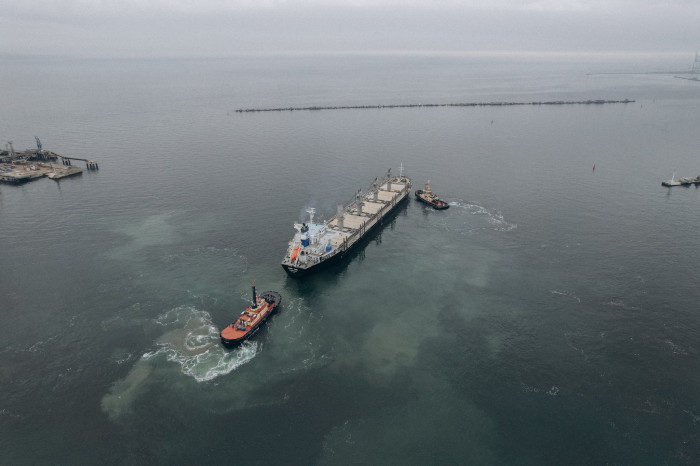
In the wake of the attack on Ras Laffan, European gas prices have skyrocketed by 52%, marking the largest single-day price jump since Russia's invasion of Ukraine in 2022, according to The National News. The conflict has also halted vessel traffic in the Strait of Hormuz, a critical global chokepoint for energy shipments, further unsettling the market. Meanwhile, spot prices for LNG in Asia have climbed to $25 per million British thermal units.

The disruption has triggered a chain reaction. Indian firm Petronet LNG has declared force majeure to its domestic partners, leading to a 10-40% reduction in gas supplies for Indian industrial consumers. This is a significant blow, as India sources approximately 40% of its LNG imports from Qatar, making its economy highly vulnerable to such supply shocks.

This crisis starkly highlights the fragility of the global energy market, where geopolitical and military conflicts can trigger immediate and severe price and supply volatility. As one of the world's leading LNG exporters, any prolonged production halt in Qatar risks causing further price fluctuations across international markets. The immediate impact on Indian industry underscores the economic difficulties that can arise for energy-importing nations. The situation remains fluid, and its consequences could have long-term implications for the world's energy landscape.


Read also

Advertising