Protecting Your Home from Debt Collection: Understanding Ukrainian Law.


How Debt Collection Works in Ukraine
According to Novyny.live: Ukrainian law provides specific protections for debtors, particularly regarding their primary residence. The key legislation is the Law of Ukraine 'On Enforcement Proceedings,' which sets limits on seizing a person's only home. A crucial protection is that a debtor's sole property cannot be seized if the total debt does not exceed 20 times the minimum wage. This offers a vital safety net for individuals facing severe financial hardship.
However, even if the debt is below this threshold, authorities can still place a lien on the property. This means debtors may face restrictions on using or selling their assets, even for non-critical debts. The question of selling the home through the Electronic System for Trading Arrested Assets (SETAM) becomes relevant only if the debt exceeds 172,000 hryvnias.
Safeguards and Solutions for Debtors
The legislation establishes a clear sequence for debt collection, prioritizing other assets before a primary home:
- Withdrawing funds from bank accounts;
- Garnishing official wages;
- Potentially seizing vehicles or other real estate, provided the apartment is not the debtor's only home.
As of 2026, the law continues to side with the owner of a sole residence, ensuring a fundamental level of security. For those in debt, restructuring offers a practical solution. Most creditors are willing to agree to payment plans spanning one to two years. Furthermore, reaching a settlement agreement can halt penalty accrual and stop enforcement proceedings, significantly easing the debtor's financial burden.
In summary, Ukrainian law offers mechanisms to help debtors avoid eviction due to debts while preserving their right to a primary home. These protections are particularly important in a post-conflict economy where many citizens struggle with financial obligations.
Ongoing legislative discussions in Ukraine may further strengthen debtor protections. The trend toward facilitating debt restructuring and settlements reflects the state's aim to mitigate the social impact of debt crises. This focus on finding manageable solutions, rather than solely on enforcement, is a key feature of the current legal approach.
Read also
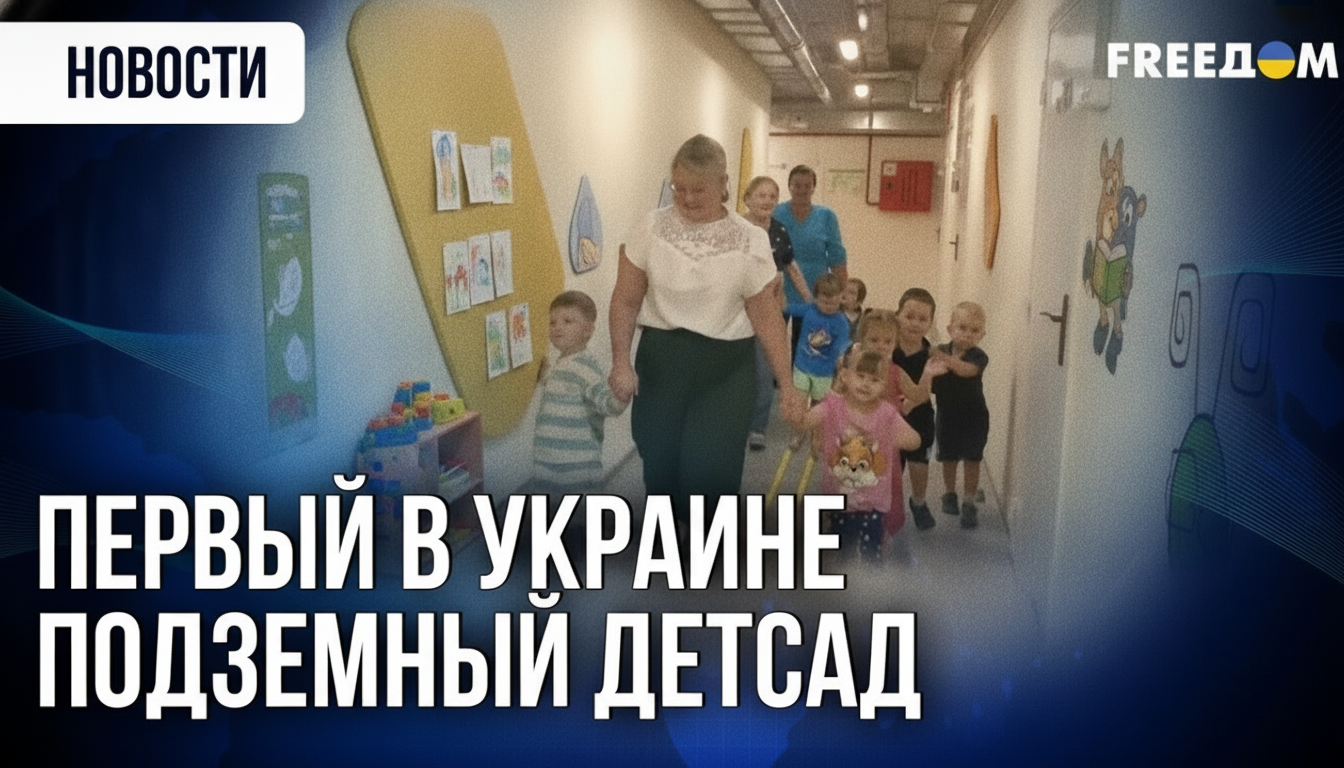
- Ukraine’s first underground kindergarten opens in Kharkiv, accommodating 260 children
- Ukraine's ports crippled by Russian strikes: 28 vessels hit, 21 killed
- 24 Children Rescued from Occupied Territories by Save Ukraine, Including Injured 13-Year-Old Anhelina
- Woman Faces Up to 7.5 Years in Prison After Attacking Children for Speaking Ukrainian in Poland
- One of the Most Recognizable Voices on Ukrainian Radio, Journalist Oleksandr, Has Passed Away
- Crimean Tatars Reclaim Their True History: How Valery Vozgrin’s Work Dismantles Russian Myths