






Trump and Zelensky have nearly agreed on a 20-point peace plan: what is known about the negotiations.
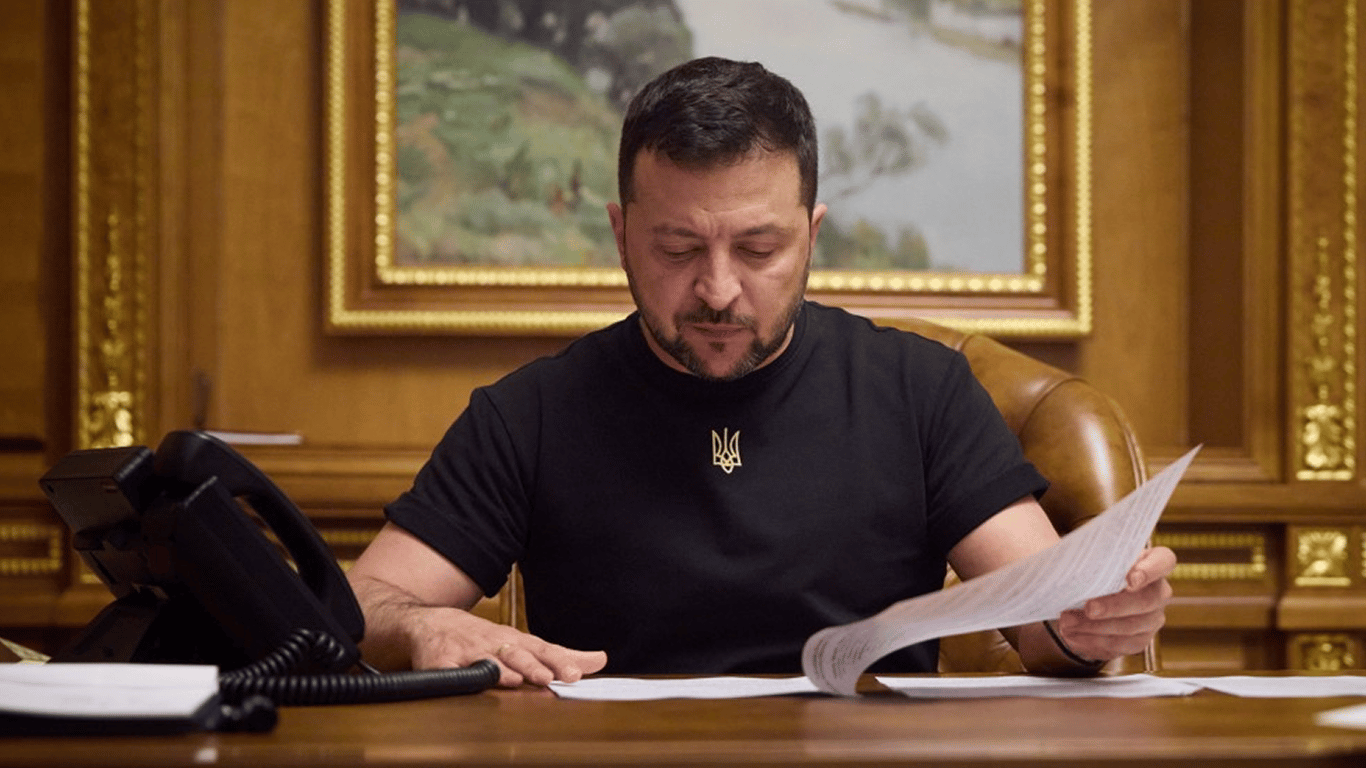
According to ТСН: After the meeting with Volodymyr Zelensky, Donald Trump noted that several unresolved issues remain, particularly regarding the territories of Donbas and the possibility of a ceasefire for a referendum on a peace agreement. Zelensky, on the other hand, reported that the parties are close to finalizing a 20-point peace plan and are also discussing an agreement among the USA, Ukraine, and Europe with security guarantees.
This is stated in the report of the American Institute for the Study of War (ISW).
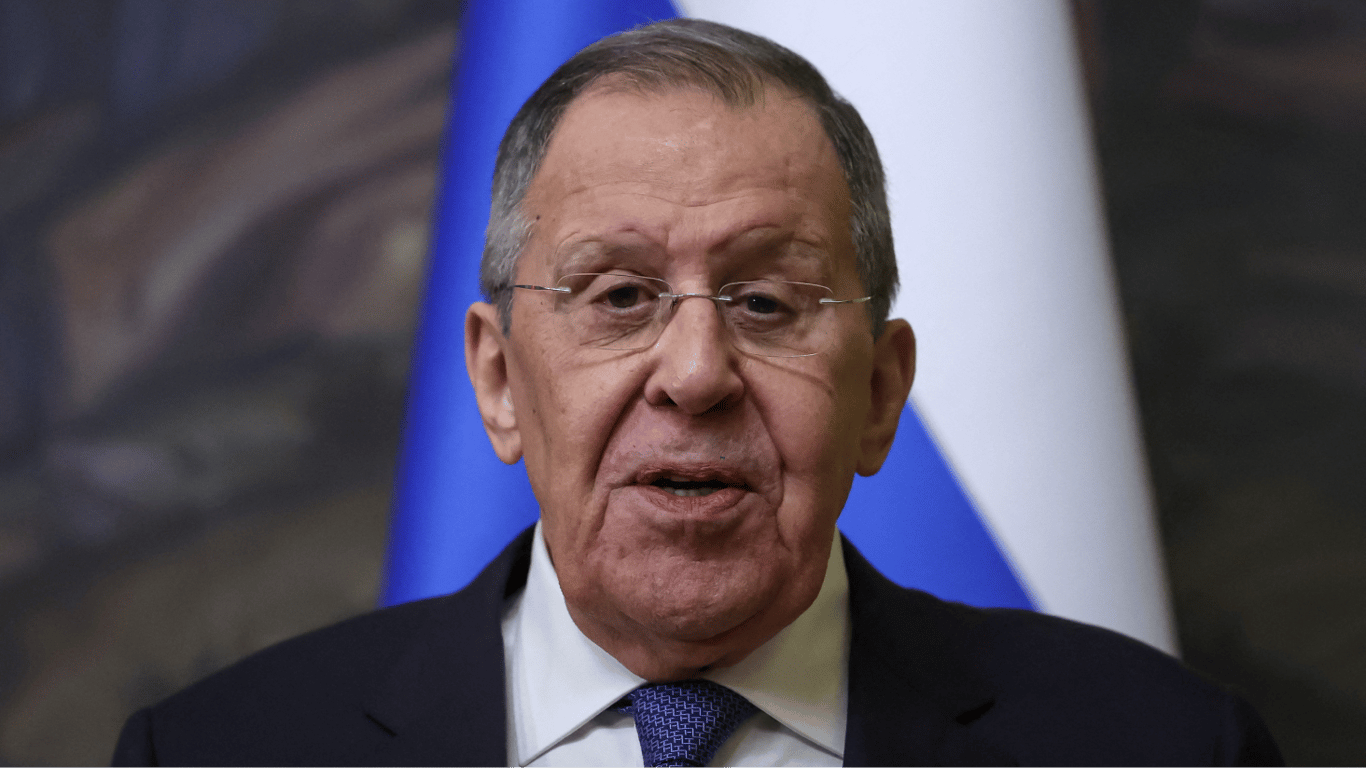
Analysts noted that Trump called Vladimir Putin before his meeting with Zelensky. Putin's assistant, Yuri Ushakov, reported that the leaders discussed working groups, one of which would address security issues, and the other—economic issues.
Meanwhile, ISW believes that recent statements from Moscow contradict several positions that Trump proposed as a basis for ending the war.
“The Kremlin has repeatedly rejected security guarantees for Ukraine provided by Europe. Kremlin officials have also called for any future peace agreement to meet Russia's demands regarding NATO expansion and a reduction of its borders.”
American analysts emphasize that the Kremlin's statements indicate that Russia's goals in Ukraine extend beyond simple territorial demands, such as the seizure of Donetsk. That is why, as stressed by ISW, a peace agreement that does not consider Russia's demands towards NATO and the West will not satisfy Moscow and will not lead to lasting peace.
Tactical details and progress forecast
Putin and the Russian military command continue to exaggerate their successes at the front, seemingly trying to create the impression that the Ukrainian defense has weakened. Prior to the Trump-Zelensky meeting, Putin met with the leadership of the General Staff. Analysts believe that this meeting aimed to influence the outcome of the negotiations.
Chief of the General Staff Valery Gerasimov reported to Putin on the completion of combat tasks in the Luhansk, Donetsk, Zaporizhzhia, and Kherson regions, including the alleged capture of several populated areas.
ISW notes that Russian troops advanced at an average speed of 14.4 square kilometers per day until 2025. If the pace remains the same, the invaders will need until April 1, 2029, to capture the remaining four regions. However, current calculations do not account for numerous obstacles.
Forecasts and demands
Additionally, the Russian command inaccurately assesses its efforts to capture the Fortress Belt in the Donetsk region, which are actually strategically important populated areas for the defense of the Armed Forces of Ukraine.
ISW predicts that the occupiers may complete the capture of the rest of Donetsk only in August 2027, if the pace remains steady.
“Putin is adamantly against a ceasefire for a referendum. He claims he is concerned about not wanting to end the fire and then have to restart fighting again.”
In light of these events, it becomes clear that international negotiations for peace may become even more complicated. The positions of the parties remain controversial, and the real timelines for the possible achievement of peace are still extremely uncertain. Therefore, the situation remains tense, and the further development of events will require careful monitoring by the international community.
Read also
- No Lebanon Strategy for Israel: How Iran Fortifies Its 'Axis of Resistance' Across the Middle East
- America Holds the Key to Ukraine-Russia Talks: What Depends on U.S. Partners
- Missiles and a Tanker: Iran and U.S. Trade Strikes Despite Ceasefire
- U.S. Strikes Iranian Island of Qeshm: Key Details on the Attack
- Historic US-Iran Deal on the Horizon: What It Means for the Strait of Hormuz
- Who Is Bill Pulte? Trump Picks New Acting Intelligence Chief