








Cruel Rituals of Ancient Civilizations: How Vikings, Aztecs, and Incas Communicated with the Gods.
Amazing Rituals of Ancient Civilizations
According to ТСН: Ancient peoples practiced ceremonies that can shock today due to their cruelty and unusualness — from bloody sacrifices to live burial and ritualized murders.
This article is about the unusual rituals of ancient civilizations that took place in different parts of the world — from Mesoamerica to Europe, the Middle East, and Central Asia.
These rituals served an important sacred function, acting as a means of communication with the gods, ensuring the prosperity of the community, and cementing power. However, many of them had a cruel or radical nature that continues to amaze researchers today.
Diverse Rituals of Ancient Civilizations
In the Mayans, blood was regarded as the most valuable sacrifice to the gods. Rulers pierced tongues, ears, or genitals, collected the blood on paper, and burned it in the hope that the smoke would carry the sacrifice to heaven. Pain was perceived as proof of spiritual devotion.
In Ancient Sparta, there was the ritual of the 'Krypteia', where young warriors killed the Helots. This practice served as a test for the youth and a means of intimidating the subordinate population.
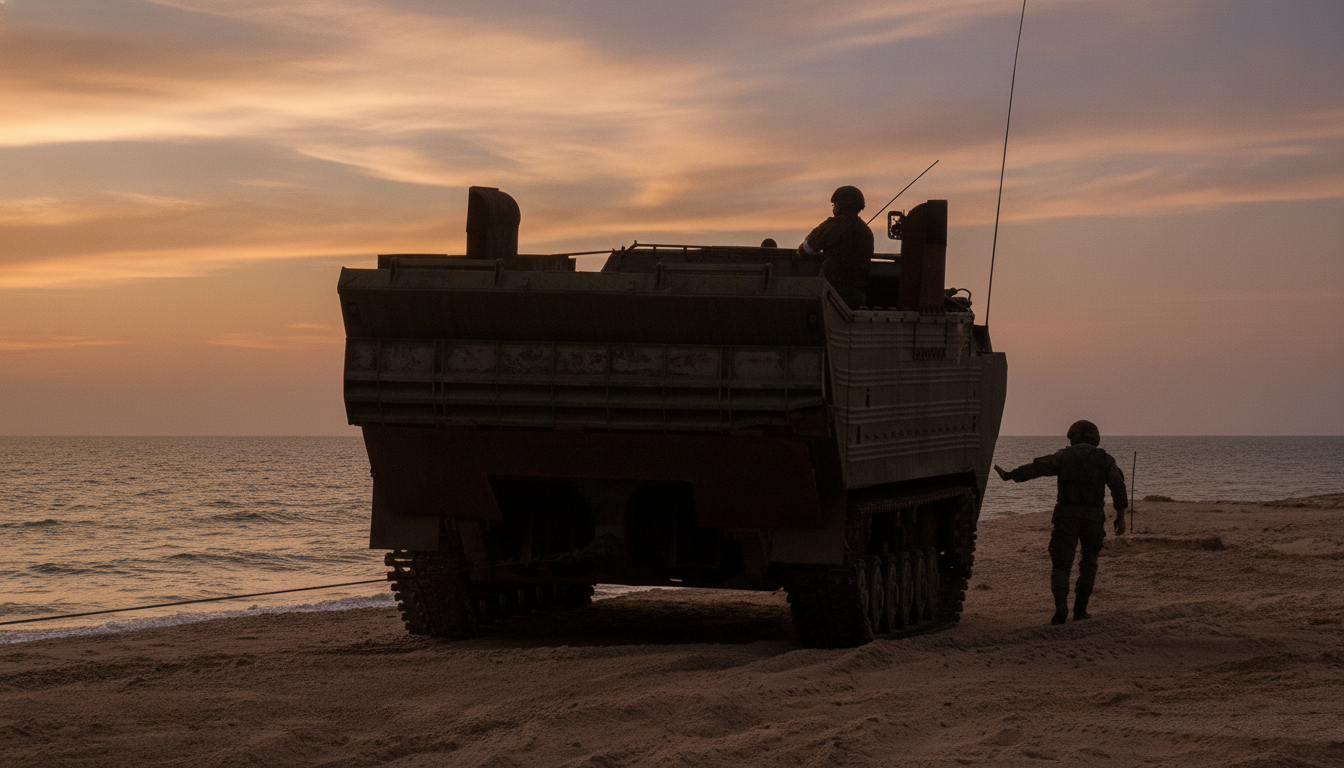
Vikings buried noble warriors on ships along with weapons, animals, and sometimes people. The ships were set ablaze and sent to sea, believing that the deceased would reach Valhalla.
Aztecs conducted mass sacrifices, believing that the sun god needed 'nourishment' in the form of human hearts. Prisoners were sacrificed atop pyramids, which was an essential part of their religious life.
In Persia, followers of Zoroastrianism practiced 'heavenly burials': the corpses of the deceased were left on special towers to be eaten by birds. This was done to prevent defiling the earth and fire.
In Ancient Rome, it was believed that the blood of fallen gladiators had healing properties: it was used to treat epilepsy or as a means of 'transferring strength'.
Incas performed the ritual of Capacocha — a sacrifice of children to the mountain gods. Children with certain characteristics were sedated with alcohol and buried alive in the mountains, where the bodies remained preserved due to the cold.
The ancient Egyptians used 'curse rituals': the names of their enemies were written on clay figures, which were then broken or burned, hoping for misfortune for their opponents.
Celtic peoples believed that the human head was the seat of the soul and kept the heads of their enemies as trophies or sacrificed them to the gods.
Particularly notable is the ritual of the Scythians, described by Herodotus, in which they inhaled steam from hemp in closed tents, viewing it as a way of communicating with the spirit world.
Many of these practices are regarded as cruel today, but in their time they were seen as a sacred duty and an important part of social and religious order.
It should not be forgotten that it was previously spoken of how in Egypt, old markings were found on the walls of an ancient mine, which might confirm the truth of the Bible (Book of Exodus).
These rituals and their significance offer a better understanding of how ancient civilizations perceived life, death, and the connection to the divine. Although modern morality condemns these practices, they leave a strong impact on the history of humanity and reveal aspects that shaped their worldview and cultural traditions.
Read also
- Men Over 50 Excluded from Combat Units: Decision Reached by Military Recruitment Centers
- Blago Unveils 'Blahozavryk' Mascot at Forum, Donating 100% of Profits to Superhumans
- Ukrainian Military Recruitment Personnel Now Authorized to Use Force and Weapons: What You Need to Know
- Heating Bills for January to Be Revised in Kyiv: Over 720 Million UAH in Compensation Announced
- U.S. Reverses Mining Ban Near Boundary Waters Wilderness, Raising Ecological Alarm
- Starting September 2026, Ukrainian Teachers Get a Raise: A 20% Bonus for Those Working with Special Needs Students