Storm Not Sole Cause of Mass Seahorse Deaths on Odessa Coast.

Black Sea Seahorses Found Dead in Large Numbers Near Odessa
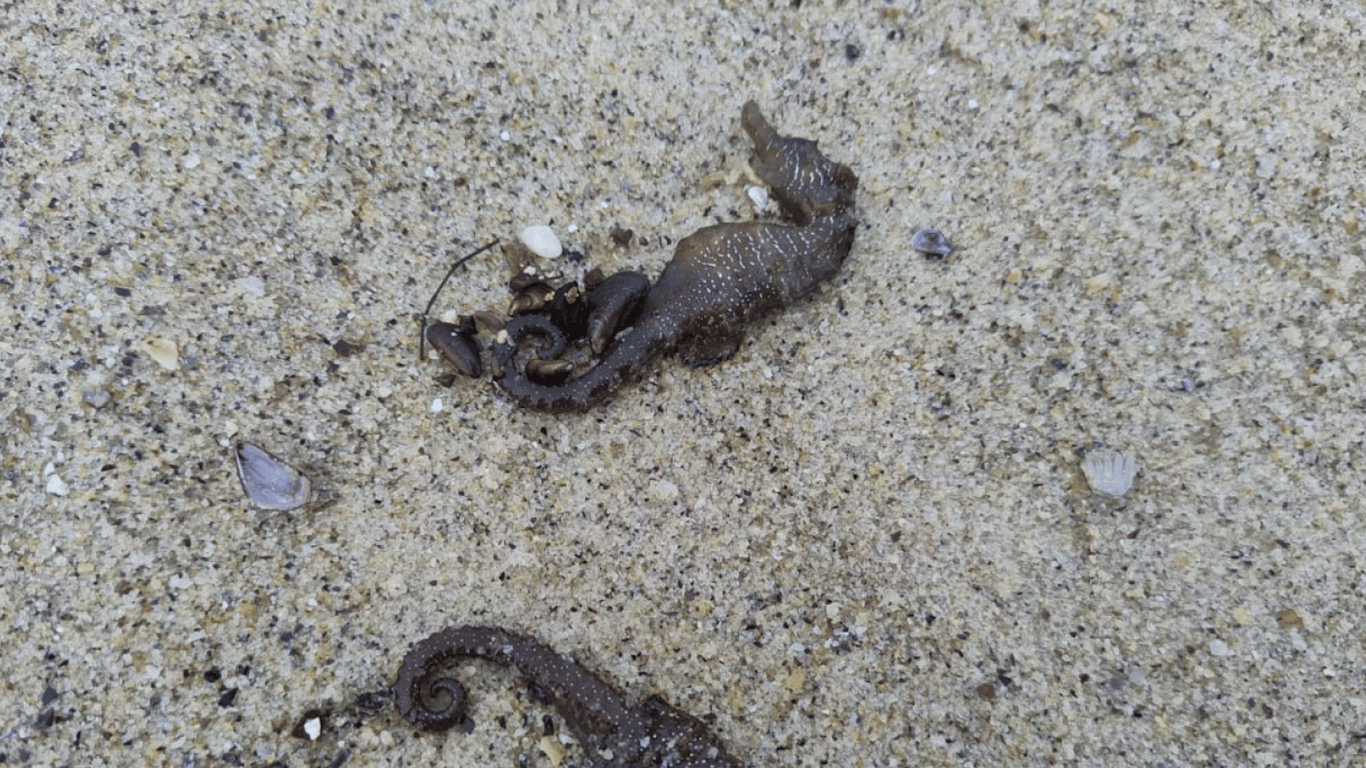
According to Novyny.live: Dozens of Black Sea seahorses, scientifically known as Hippocampus guttulatus, have been discovered dead per square meter on beaches near Odessa. Ecologist Ivan Rusev reported the incident on Facebook, noting that local factors like water pollution, and not just a recent storm, are likely causes. This mass mortality event has raised significant alarm among environmental scientists and local ecologists.
Contrasting Findings in Tuzly Lagoons National Park
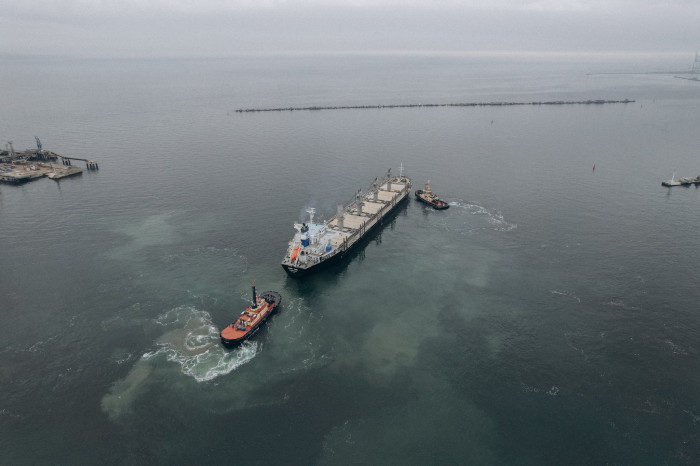
A three-day survey within the Tuzly Lagoons National Nature Park revealed no dead seahorses, suggesting the cause is specific to other coastal areas. Ecologist Ivan Rusev observed that biodiversity within the park's boundaries was not critically damaged. However, the survey did document spills of vegetable oil and the deaths of birds, fish, crabs, sea sponges, and rapa whelks. This vegetable oil spill originated from a Russian Federation strike on the port of Pivdennyi.
Rusev emphasized that seahorses are sensitive indicators of ecosystem health, and their mass death points to serious water quality issues specifically along Odessa's urban coastline, requiring separate ecological analysis. He noted the recent storm did not cause critical damage to the park's nature, unlike past incidents involving fuel oil spills or the impact of sea mines and explosions. This situation highlights growing concerns about the region's ecological state and the urgent need for measures to improve water quality in the Black Sea.
Ecologist Rusev stated that 'the storm did not cause critical damage to nature within the park.'
The incident underscores the vital importance of monitoring marine ecosystems, as such die-offs can signal broader pollution problems. Given their environmental sensitivity, the death of these seahorses may indicate hazardous conditions requiring immediate attention from environmental agencies. For context, seahorses are a protected and ecologically important species, making their sudden decline particularly concerning. Measures to improve water quality and prevent pollution are now critical for preserving regional biodiversity.
Read also
- Three Ukrainians Without Documents Rescued from Occupied Territories Under Bring Kids Back UA Initiative
- Ukraine’s first underground kindergarten opens in Kharkiv, accommodating 260 children
- Ukraine's ports crippled by Russian strikes: 28 vessels hit, 21 killed
- 24 Children Rescued from Occupied Territories by Save Ukraine, Including Injured 13-Year-Old Anhelina
- Woman Faces Up to 7.5 Years in Prison After Attacking Children for Speaking Ukrainian in Poland
- One of the Most Recognizable Voices on Ukrainian Radio, Journalist Oleksandr, Has Passed Away