







Advertising



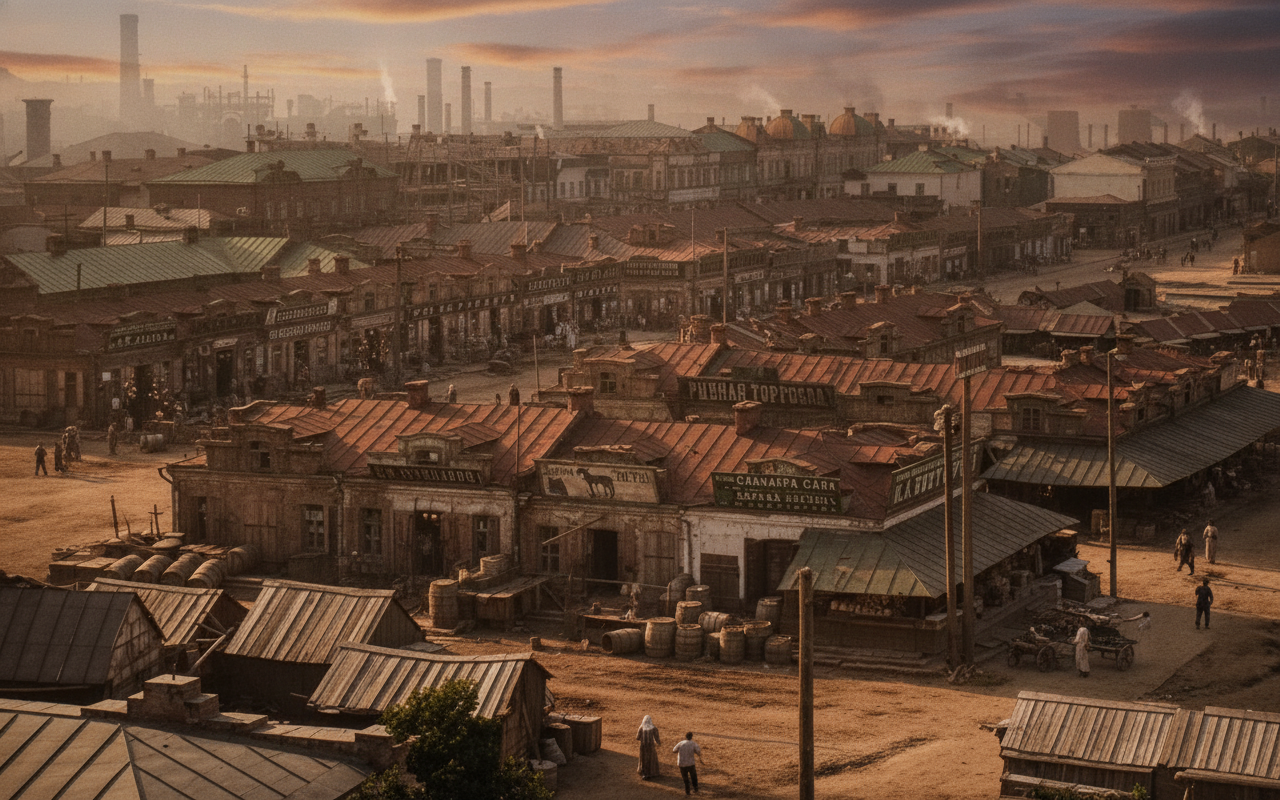
How Donetsk Once Served as the Heart of a British Colony in Ukraine: The Story of Yuzivka
Donetsk’s Evolution: From Yuzivka to the Present Day A video recently published on the YouTube channel 'Yura Martynovych’s Histories' delves into the early days of Donetsk, when it was still called Yuzivka and flourished under the influence of the British entrepreneur John Hughes. This chapter in t...
today, 08:12
366
Horoscope
LIFESTYLE
Tourism


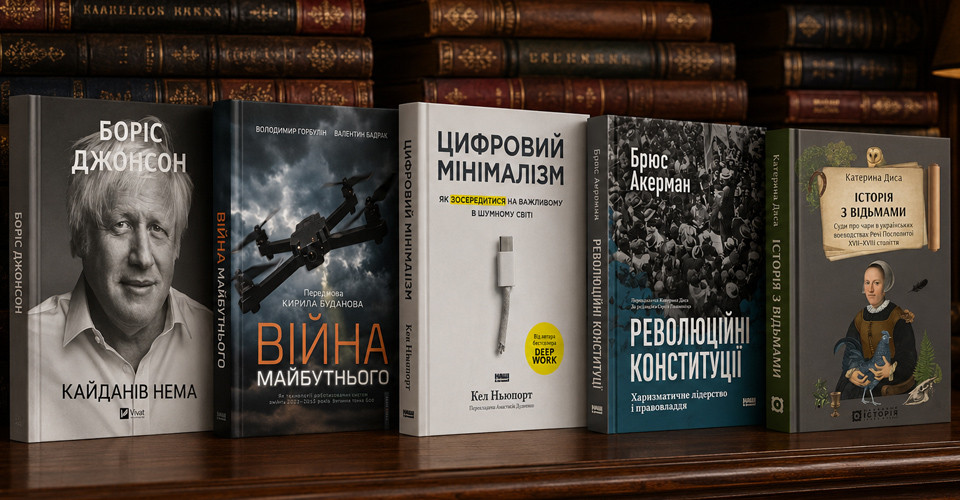
From Johnson’s Memoir to the War of Tomorrow: 5 Must-Read Books Coming in 2026
yesterday, 18:18
471


Tech

Society
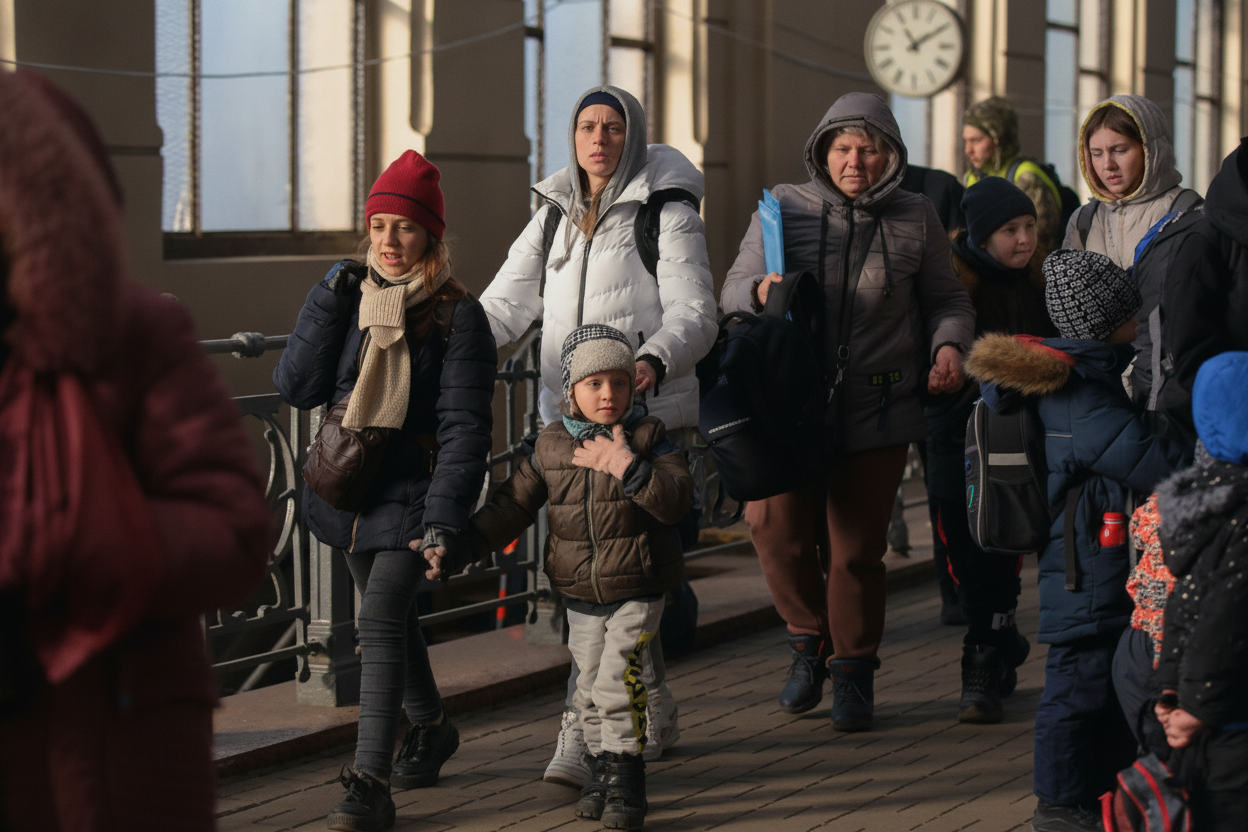
Why Millions of Internally Displaced Ukrainians Still Lack Housing
today, 08:06
343
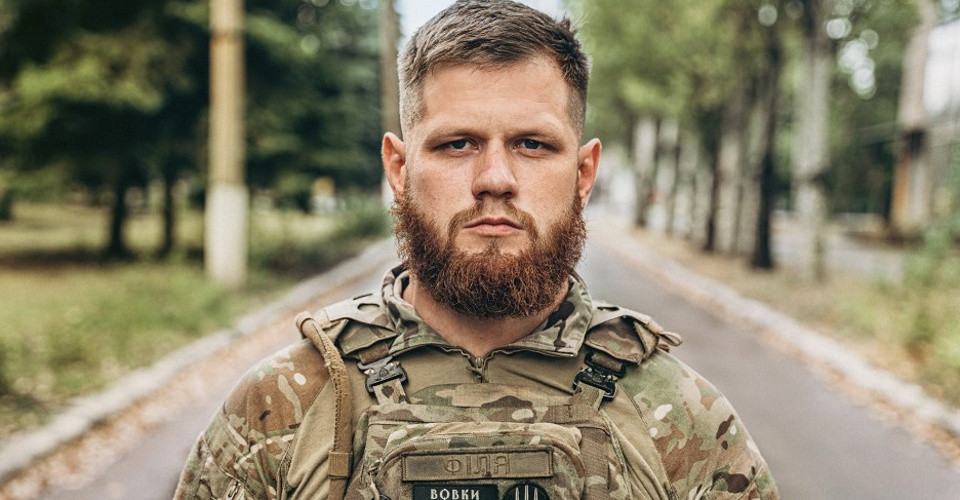
Syrskyi Reprimands Major Filimonov: Inside the 108th Battalion Controversy
yesterday, 20:06
487
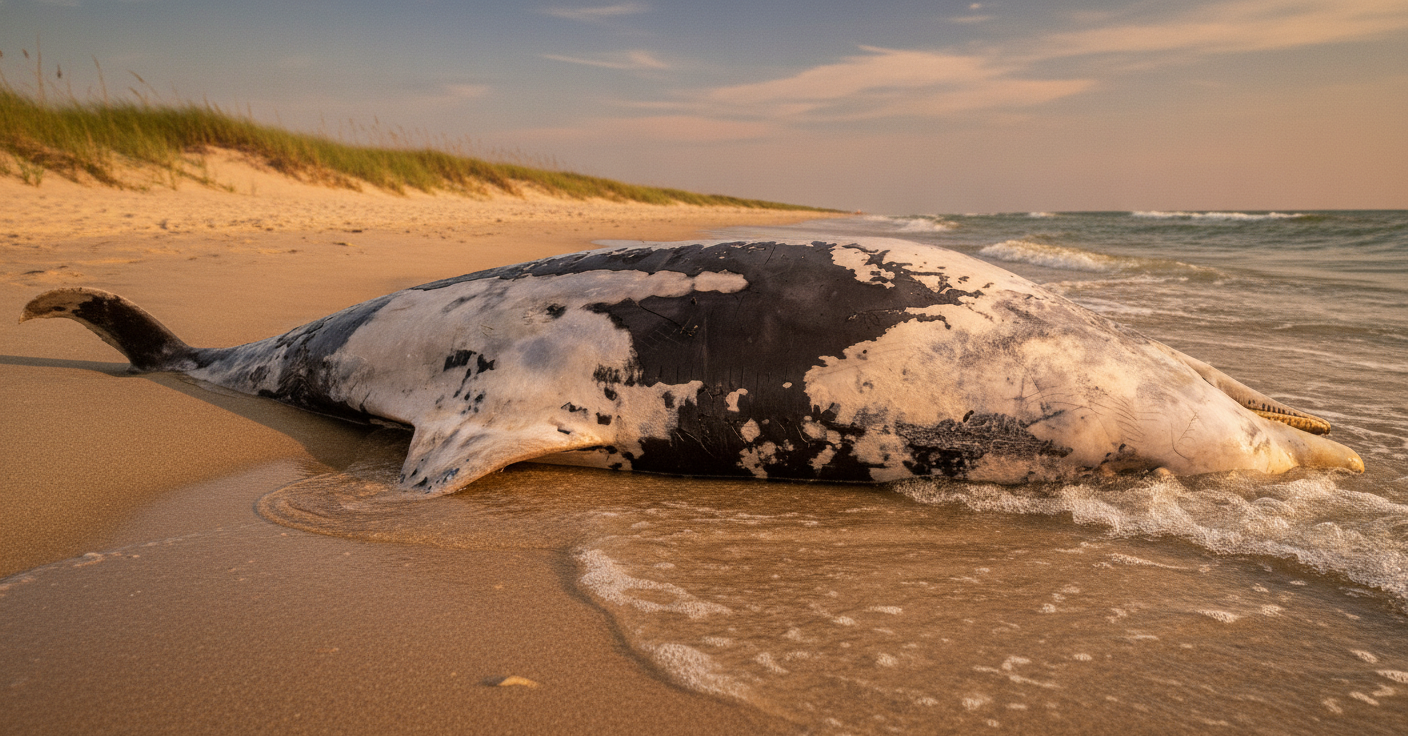
100,000 Dolphins Killed in the Black Sea – War Is the Main Cause
yesterday, 13:24
547
Showbiz


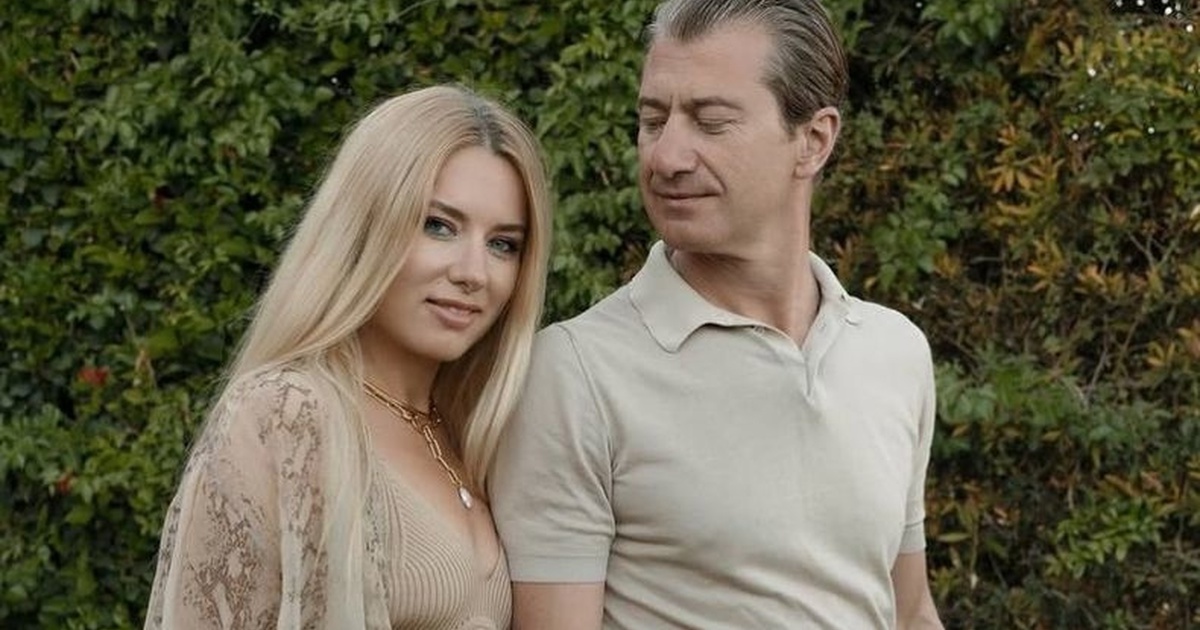
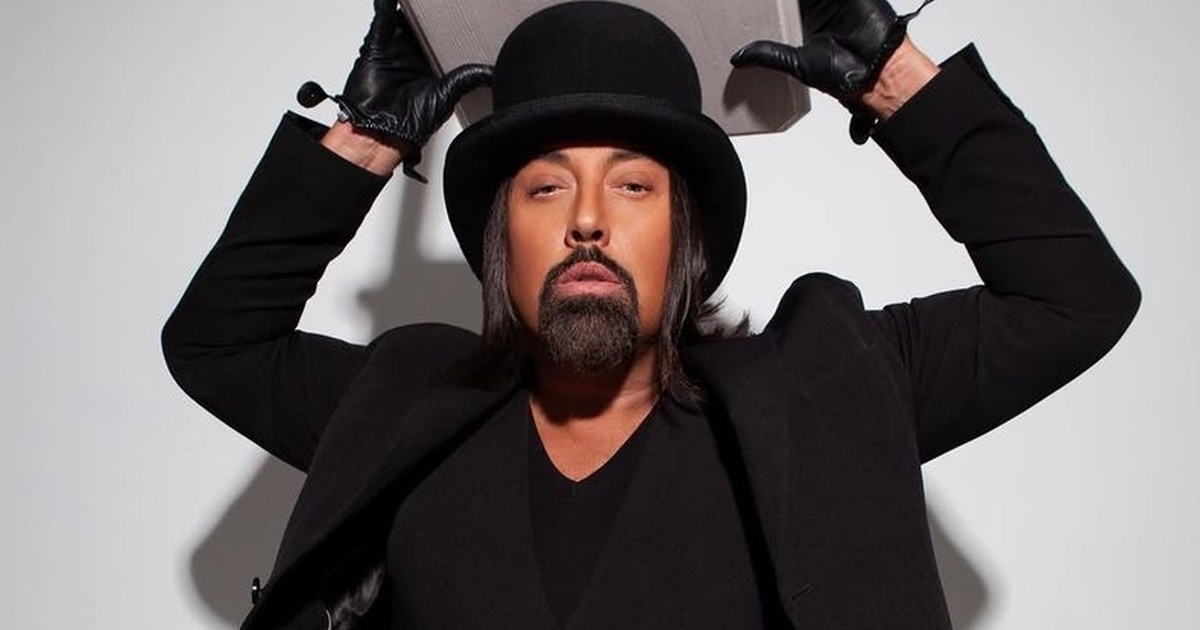
Motivational Movies: Top Best Films for Inspiration and Self-Development
yesterday, 22:17
546
Zendaya Announces a Career Break: What Led the Actress to Step Back
yesterday, 03:06
606
Olga Gorbachova and Yuriy Nikitin Split Again: What Happens to Their Daughters Now
yesterday, 03:01
596
Dmytro Koliadenko Opens Up About His Son’s Wedding: The Best Celebration of His Life
yesterday, 02:42
594
Sports




Trump to Attend 2026 World Cup Final in New Jersey: Argentina Faces Spain
yesterday, 16:24
538
Drake Bets $1.5 Million on Argentina to Win the 2025 World Cup Final
yesterday, 15:36
494
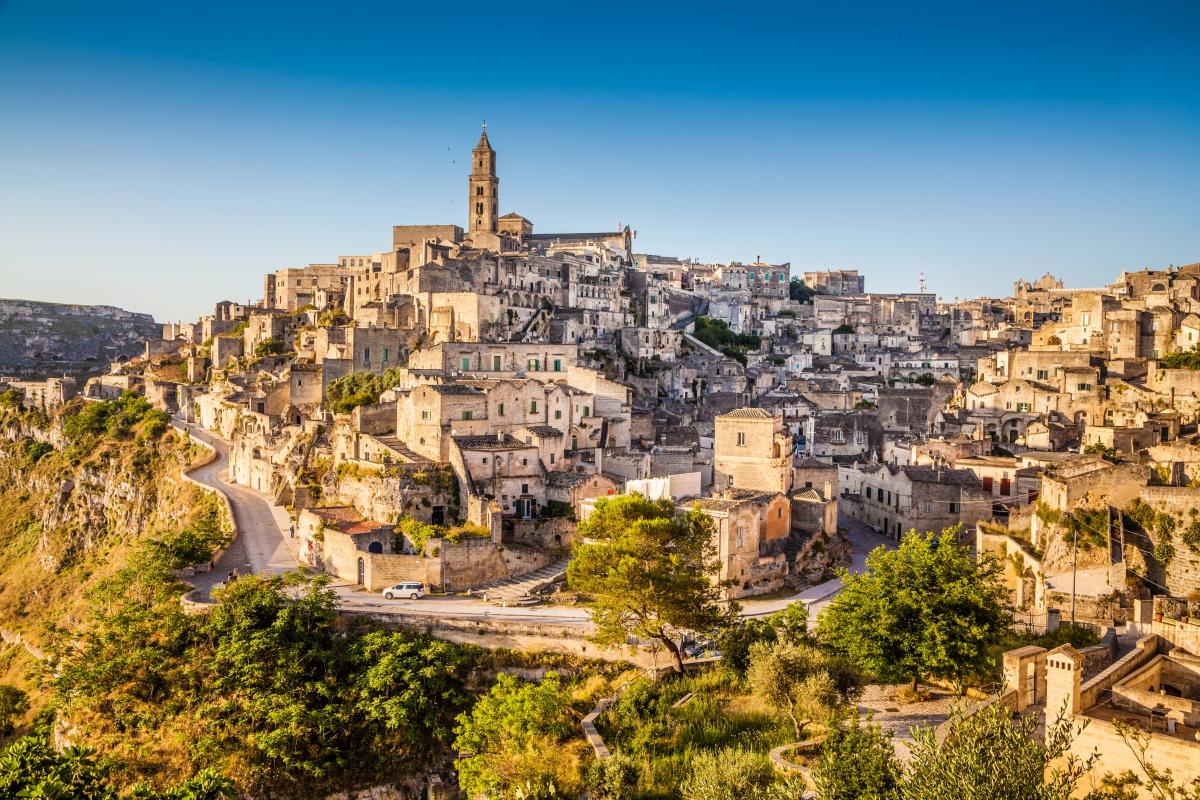
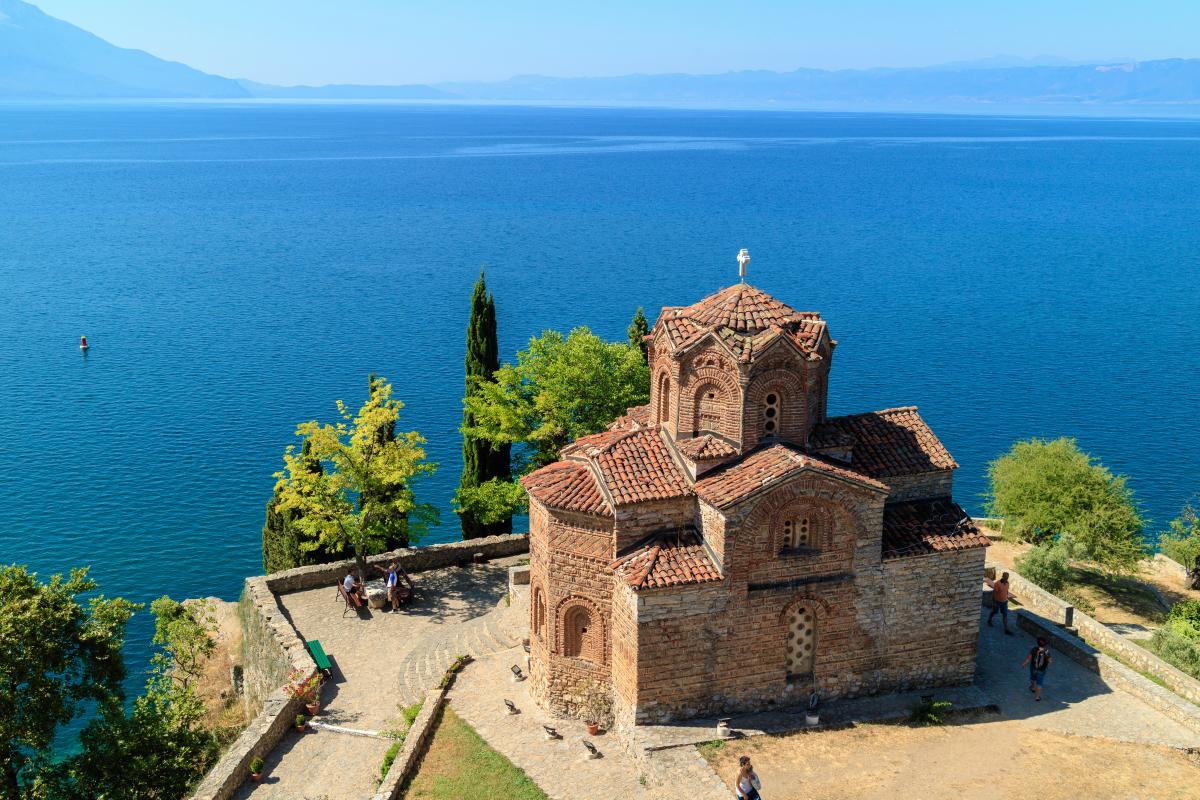
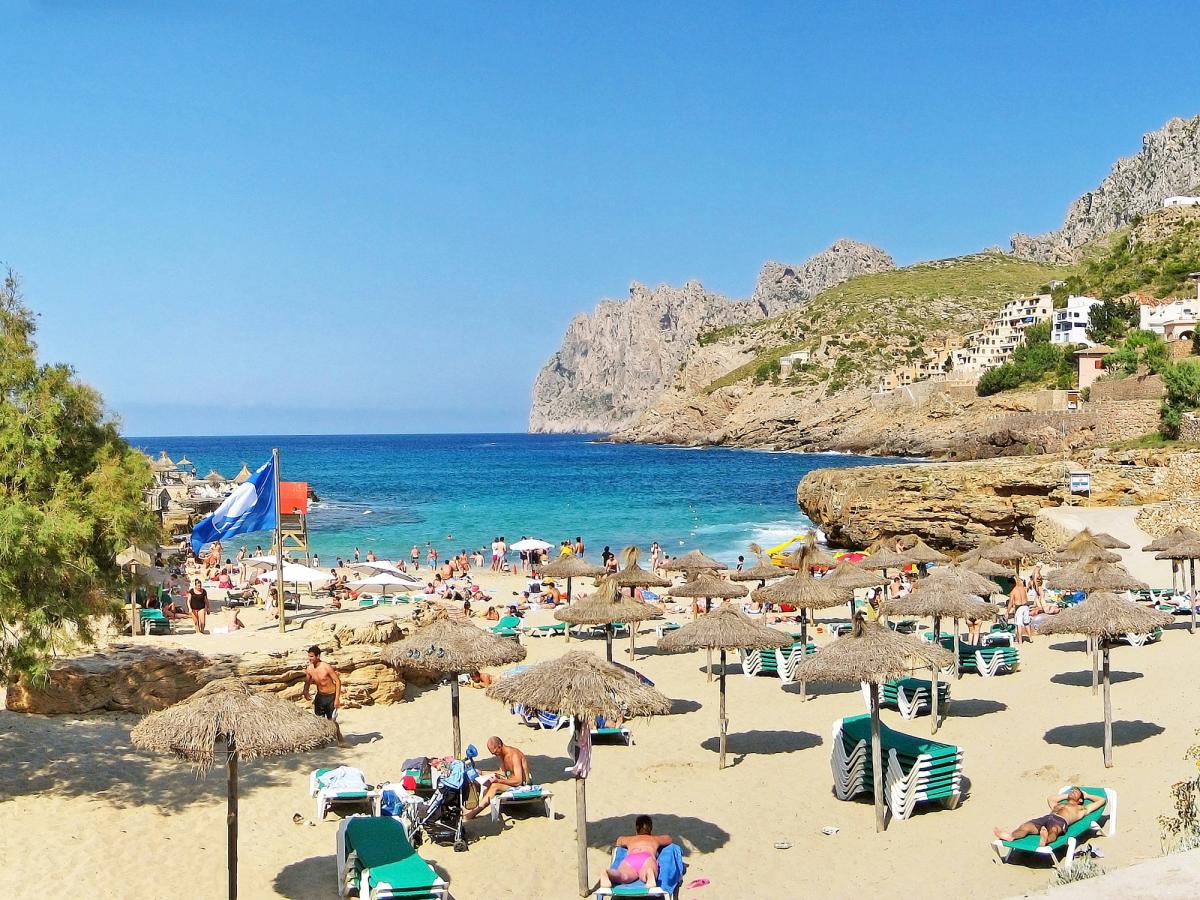
Tough New Beach Bans Across Europe: What Travelers Need to Know
today, 00:36
430
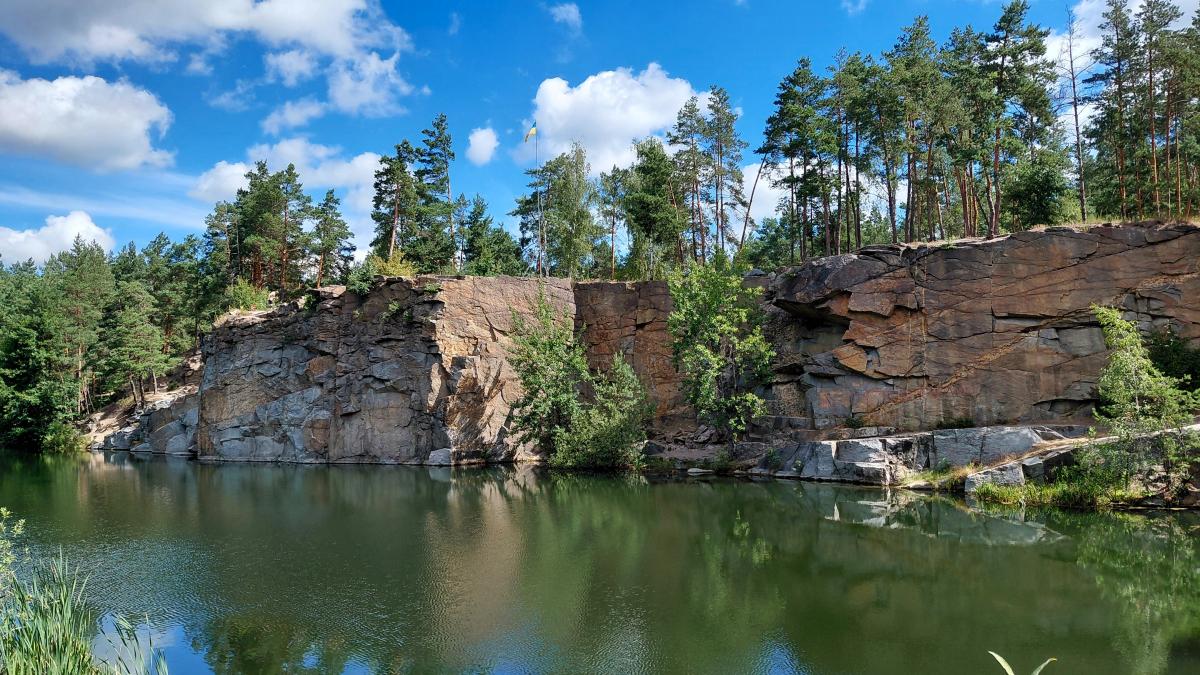
Getting to Korostyshiv Canyon: What to See and Travel Challenges in Zhytomyr Region
yesterday, 14:42
501