How the War Has Transformed Ukraine's Relationship with Its Native Language.

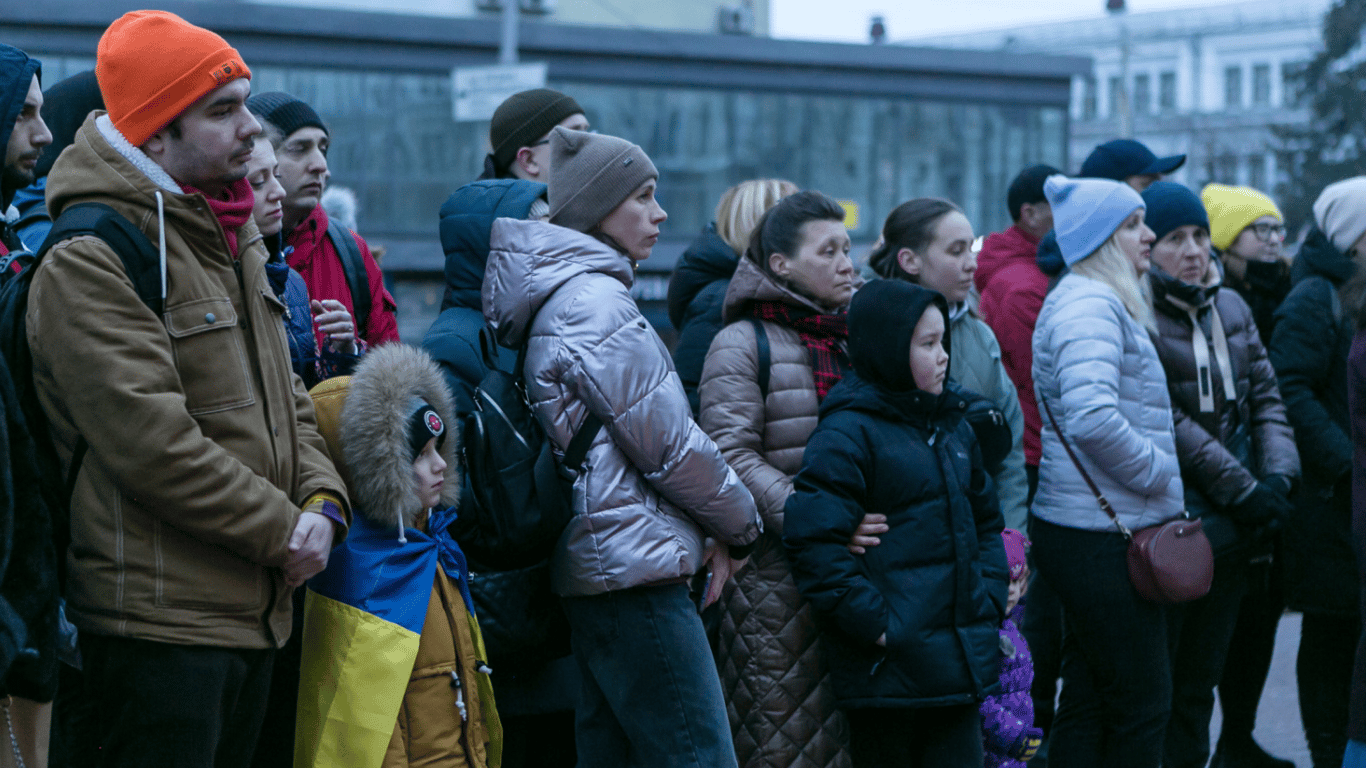
International Mother Language Day
According to Novyny.live: International Mother Language Day, observed annually on February 21st, was established by UNESCO in the year 2000. This day serves as a vital reminder of the importance of preserving and developing languages, as well as the rights of peoples to use their native tongue. For Ukraine, the full-scale war has made the revival, popularization, and teaching of the Ukrainian language a matter of particular urgency and relevance.
Historical Context
The observance traces its origins to a 1952 protest in Bangladesh, where students died defending their right to use their mother language, a stark example of the profound significance of linguistic identity. In Ukraine, the ongoing war has accelerated a widespread shift towards the Ukrainian language, reflecting a surge in its use and demand. This linguistic shift is part of a broader national response to the conflict.
Kateryna Tkachenko, a lecturer at the South Ukrainian National Pedagogical University named after K. D. Ushynsky, is actively involved in promoting the Ukrainian language. She notes:
'I became a volunteer for the nationwide 'United' movement, which helps anyone willing to make the switch to Ukrainian.' - Kateryna Tkachenko
This initiative helps people adapt to the new linguistic realities emerging from the war. In the Odesa region alone, 117 violations of the language law were recorded in a single year, highlighting the need for continued work on language policy and support for Ukrainian. Kateryna Tkachenko also shares practical advice on pronunciation:
'Mastering the hard sibilant sounds is fundamental. If you can pronounce them firmly, you're already halfway to success.' - Kateryna Tkachenko
This underscores the importance of learning correct pronunciation for those aiming to speak Ukrainian fluently. Today, many people, including foreigners, are striving to learn Ukrainian. Kateryna Tkachenko emphasizes the simplicity of the first step:
- 'How do you start speaking Ukrainian? You start speaking.'
This call to action is a crucial element in promoting the language to a broad audience. Thus, International Mother Language Day is a powerful reminder of the role a native language plays in shaping national identity and cultural heritage. Amidst modern challenges like war, efforts to popularize Ukrainian have become even more critical and necessary.
The day highlights the importance of linguistic diversity and cultural heritage, a message made more poignant by current geopolitical shifts. In Ukraine, the war has made the promotion of the Ukrainian language not only a reinforcement of national identity but also a catalyst for unity and mutual support among the population, which is especially vital in the face of the country's ongoing trials.
Read also
- Woman Faces Up to 7.5 Years in Prison After Attacking Children for Speaking Ukrainian in Poland
- One of the Most Recognizable Voices on Ukrainian Radio, Journalist Oleksandr, Has Passed Away
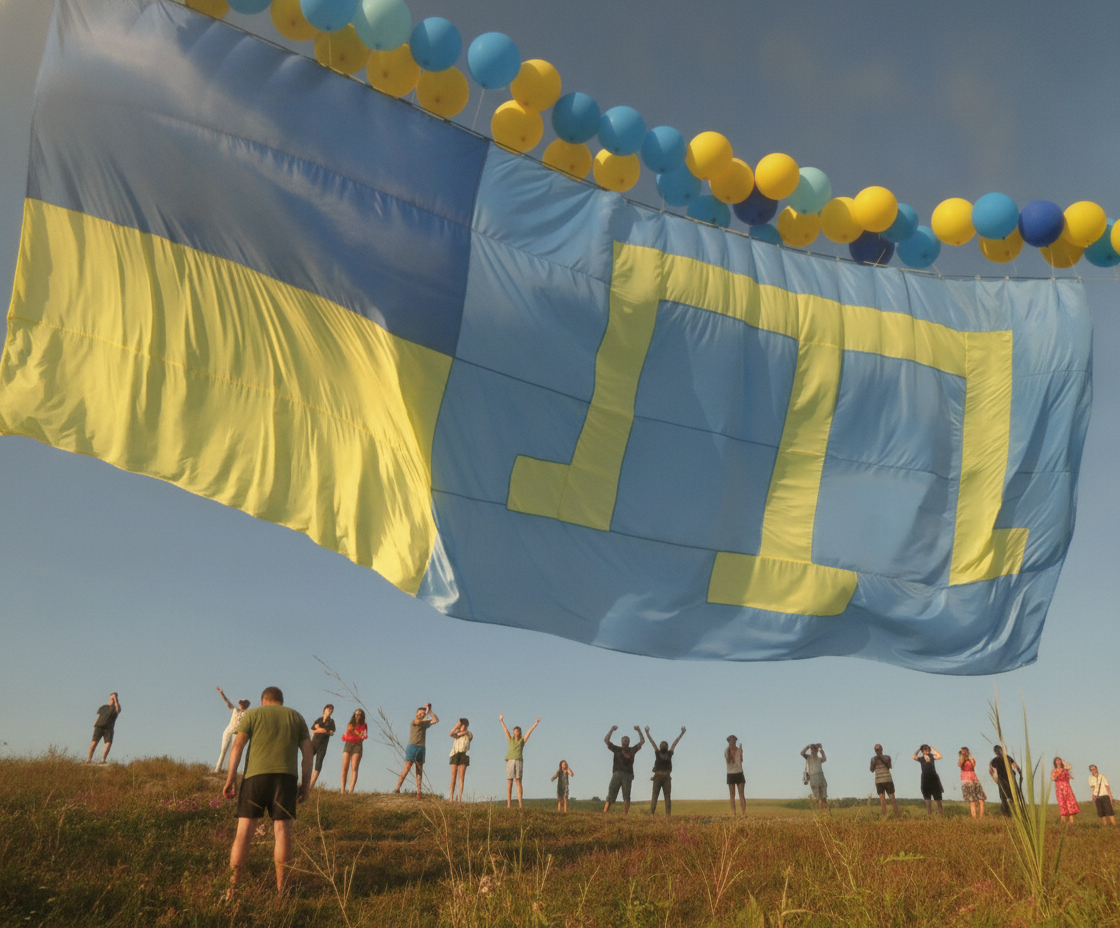
- Crimean Tatars Reclaim Their True History: How Valery Vozgrin’s Work Dismantles Russian Myths
- Ukraine's Birth Rate Drops 16%: Deaths Outnumber Births by Three to One in First Half of 2026
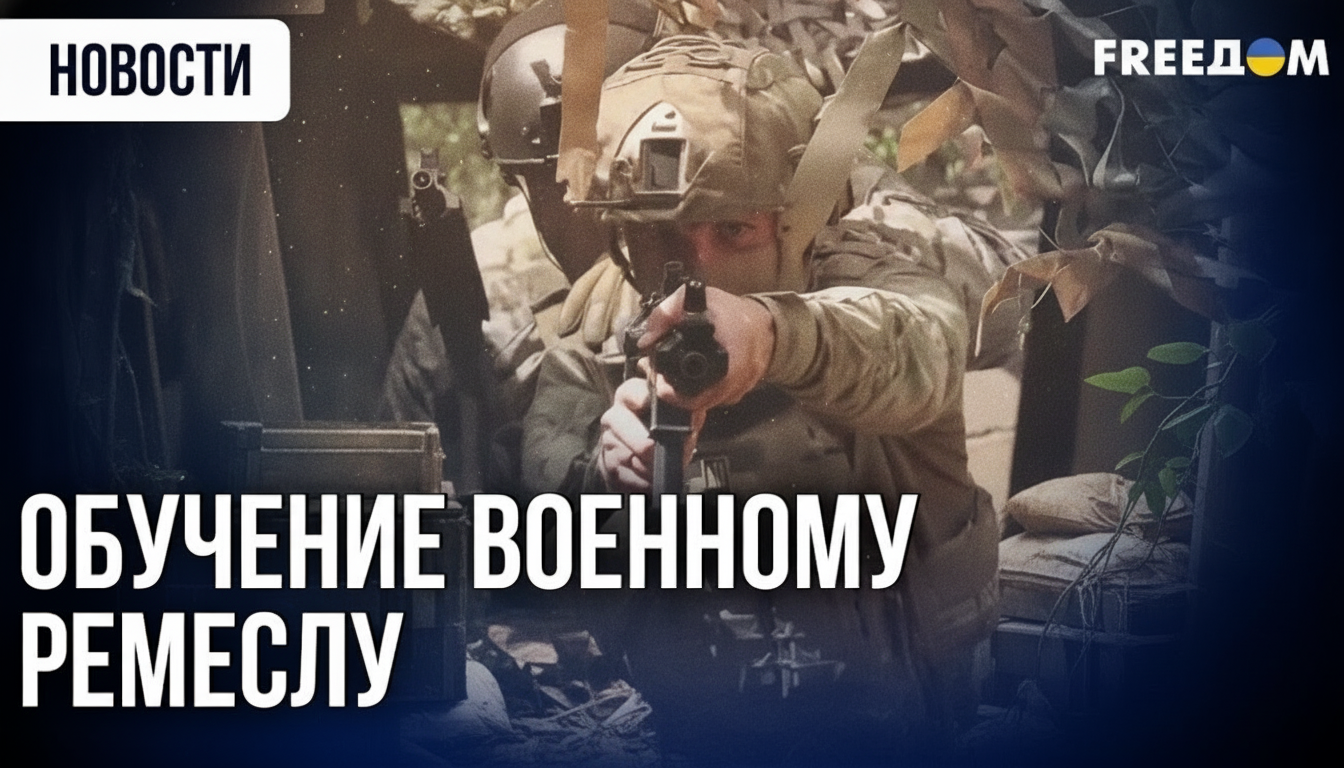
- Real Combat Readiness: How the National Guard's 'Scythian' Brigade Trains Its New Recruits
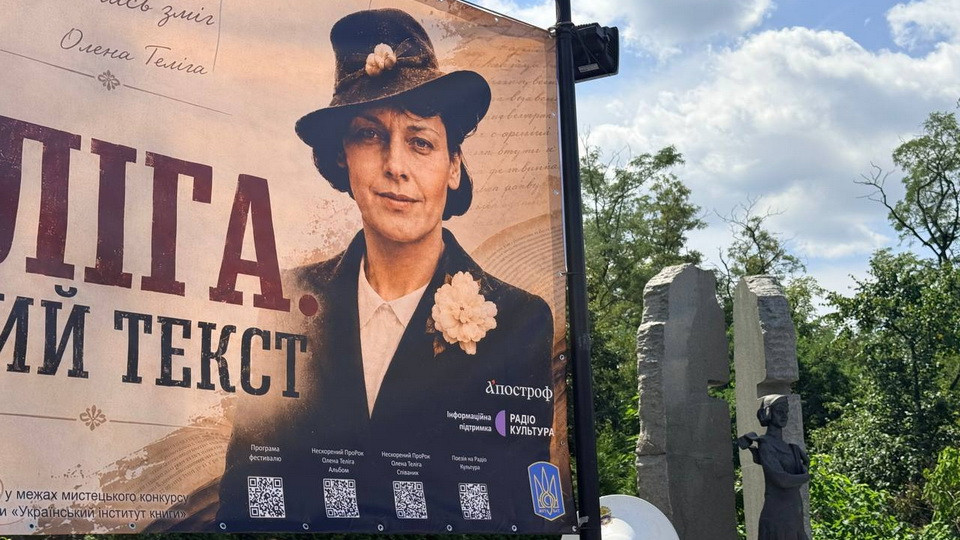
- Poetry, Music, and Remembrance: Honoring Olena Teliha at Babyn Yar