









Former Ukrainian Presidential Office Deputy Accused of Embezzling UAH 141 Million via Solar Farms in Occupied Territory.
Allegations Against Rostyslav Shurma
According to TSN.ua: The National Anti-Corruption Bureau of Ukraine (NABU) suspects Rostyslav Shurma, a former deputy head of the President's Office, of embezzling 141 million hryvnias in state funds. The alleged scheme involved solar power businesses located in territory later seized by Russian forces. This case highlights the severe challenges of wartime corruption, where critical funds are diverted even from front-line regions. According to investigators, the budget money was siphoned off through complex arrangements linked to solar power plants.
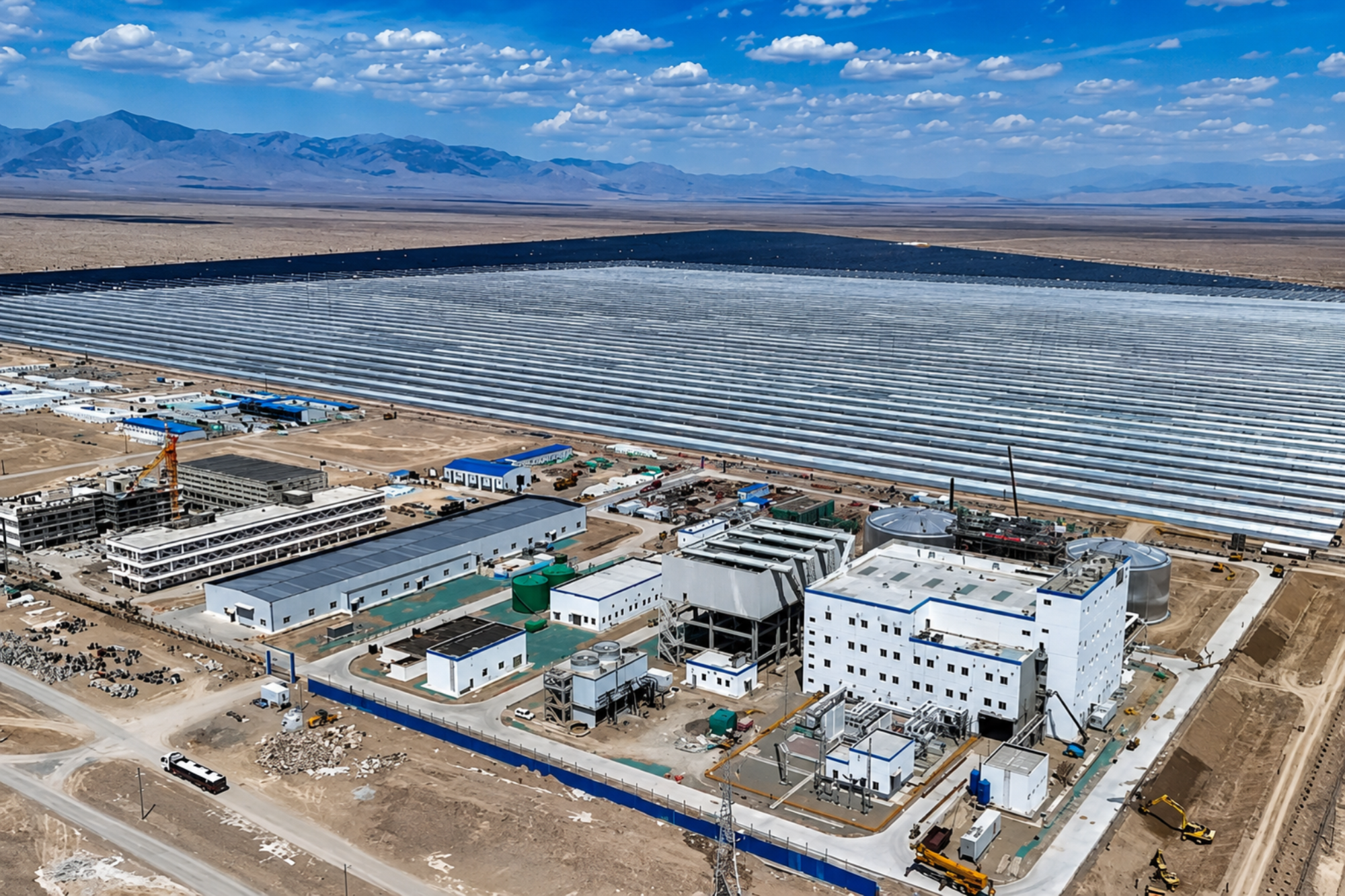
In 2019–2020, Rostyslav Shurma and his brother gained control over solar power stations in Zaporizhzhia Oblast covering 110 hectares. These facilities later fell under occupation in the Vasylivka district. Despite the occupation, the state-owned company 'Guaranteed Buyer' continued making 'green tariff' payments for the electricity supposedly generated.
The Energy Supply Arrangement
From the summer of 2022, the power generated was reportedly directed to meet the needs of the Zaporizhzhia Iron Ore Plant. The payments for this electricity were funneled into the personal accounts of the presidential deputy and his family members. Prominent politician Oleksandr Abakumov has also commented on this situation.
Yaroslav Zheleznyak, a NABU representative, stated that an analysis of satellite imagery revealed that the occupiers initially began dismantling the expensive solar panels, only to later reinstall them. This information points to the convoluted and complex nature of the situation surrounding these power stations.
Following the exposure of these facts, Rostyslav Shurma left Ukraine and traveled to Germany in the autumn of 2024. The scandal underscores systemic issues of corruption and the mismanagement of public funds during wartime.
This case stresses the critical need for oversight of budgetary expenditures, especially during war when resources are extremely scarce.
Investigations by anti-corruption bodies could prove vital for enhancing transparency in state financial management and preventing similar abuses in the future.
Read also
- Ukraine Will Avoid a Financial Crisis This Year: What’s Happening with the Economy
- Ukraine's Parliament Makes Third Attempt at Child Protection and Adult Content Legislation
- No Financial Crisis in Year Five of War: Zheleznyak Points to the Key Factor
- Galushchenko Affair: $1.5 Million in Offshore Payments for Son’s Education
- Ukraine Tightens Employee Reservation Rules: Salary Threshold Raised to 3 Minimum Wages
- Ukraine’s Parliament Rejects Porn Decriminalization: Bill No. 12191 Falls Short of Votes