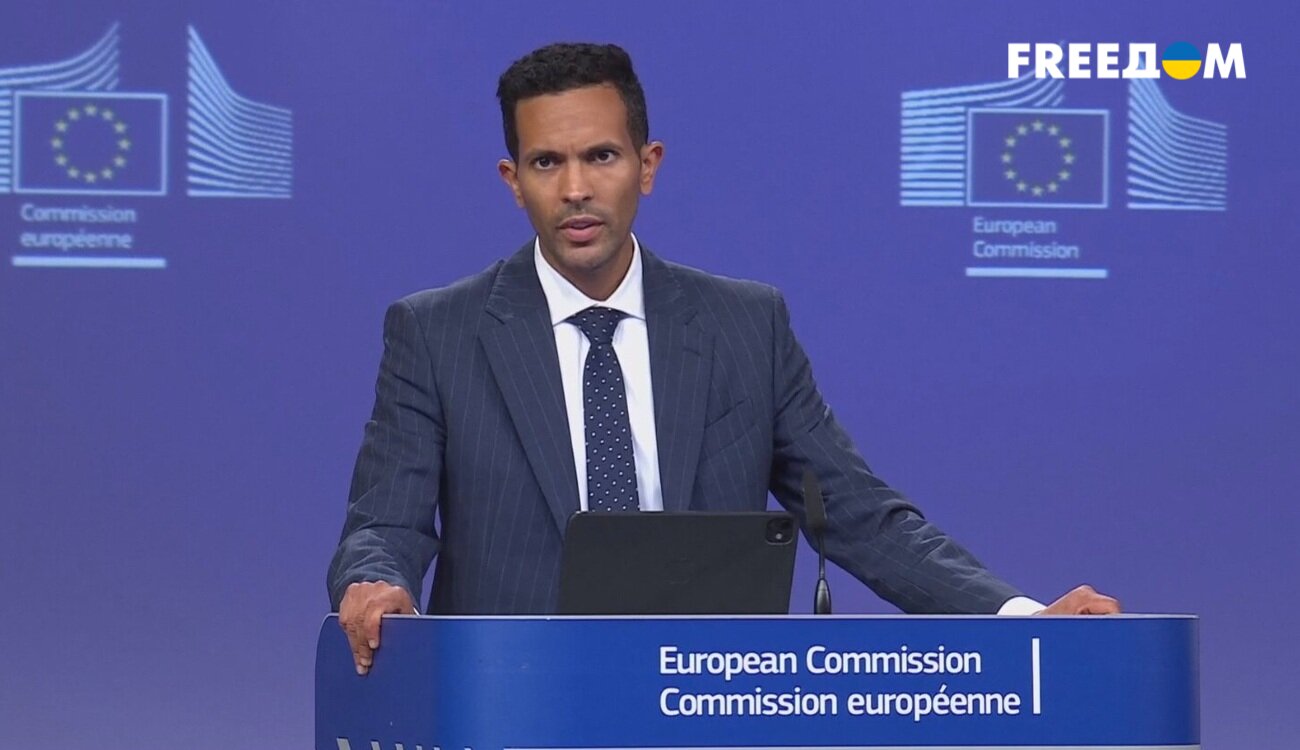
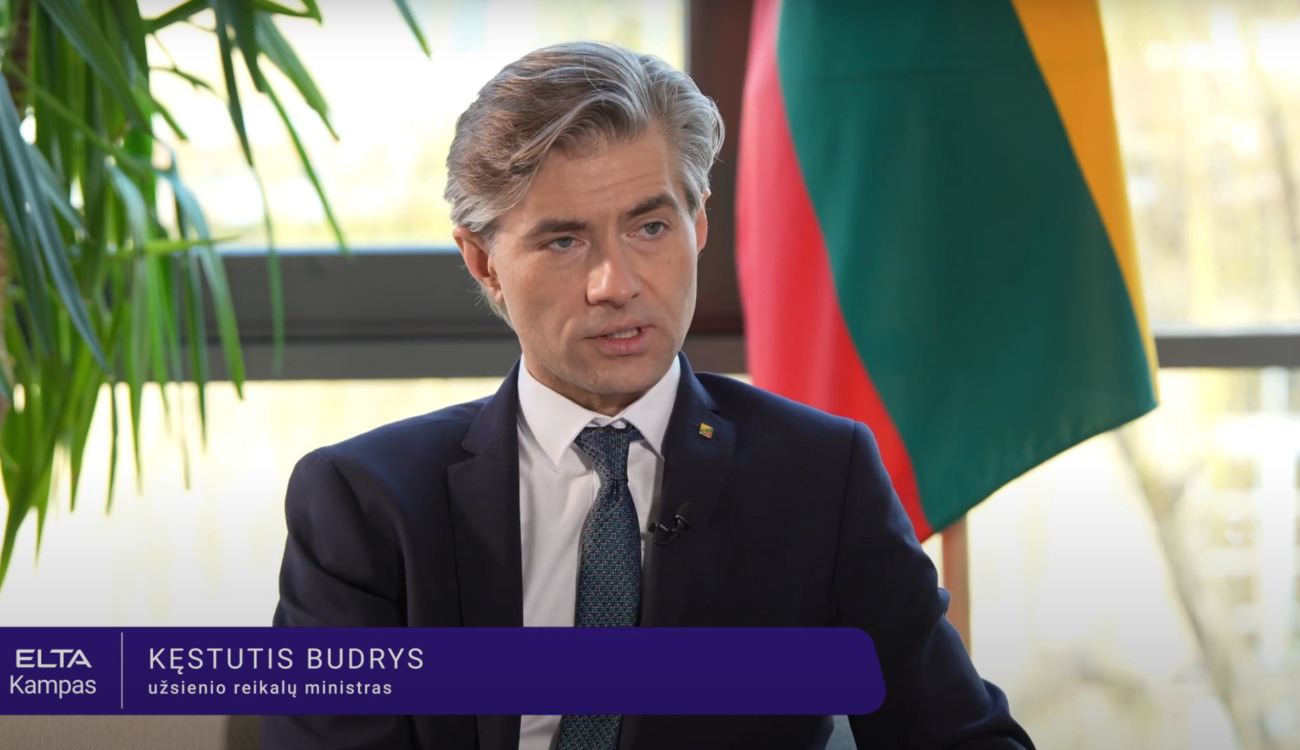
Estonia and Finland Bolster Defenses as NATO Braces for Russian Hybrid Threats.

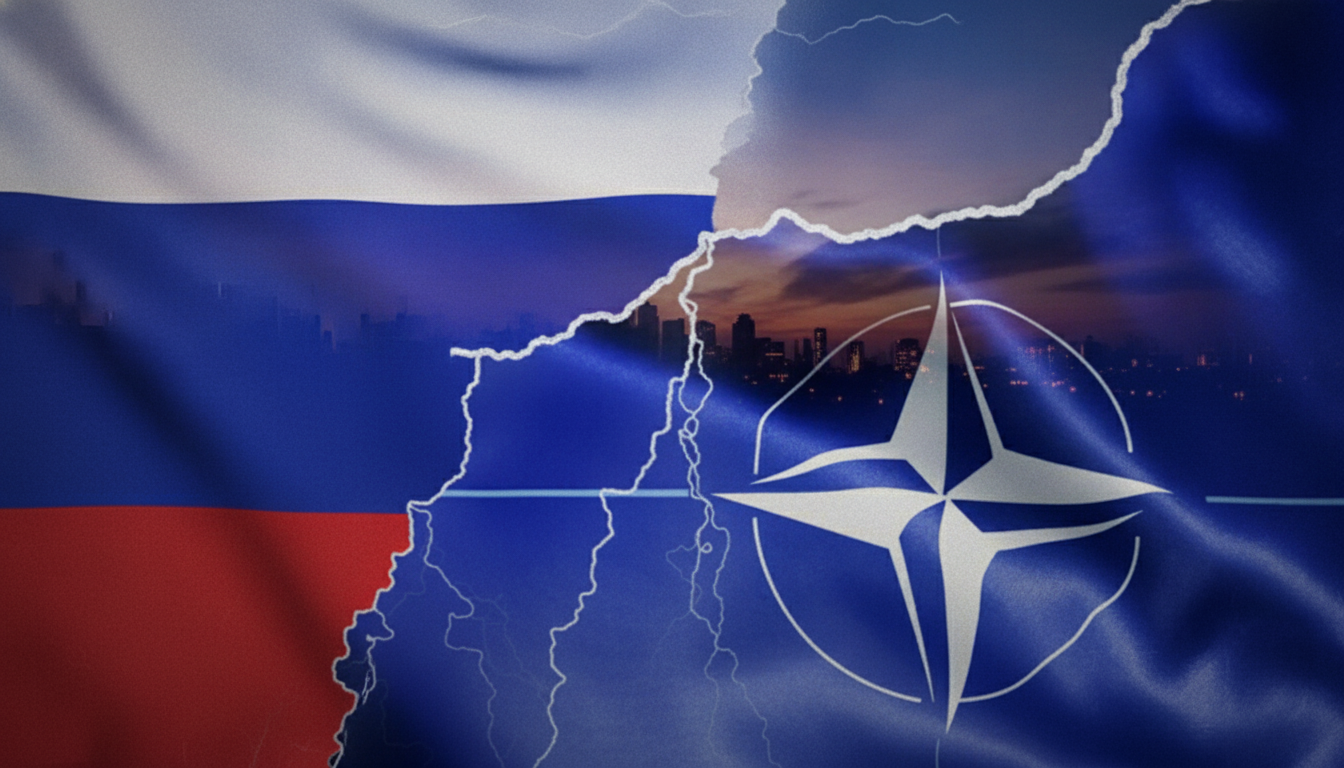
NATO Members Strengthen Military Readiness
According to UATV: As NATO allies, particularly Estonia and Finland, ramp up their defensive capabilities, concerns are mounting over potential hybrid provocations from Russia. While Moscow cannot open a second front, it retains the capacity to deploy missile strikes and drones to test the Alliance’s cohesion. This underscores the urgency for NATO to prepare for emerging threats in the region.
Estonia is actively reinforcing its border with Russia by constructing a defense line featuring 600 bunkers—a clear signal of its commitment to national security. Meanwhile, Finnish President Alexander Stubb has signed amendments to the Nuclear Energy Act, permitting the import and transit of nuclear weapons. These moves reflect a fundamental shift in regional security policies amid escalating tensions.
NATO Summit Talks in Ankara
At the upcoming NATO summit in Ankara, leaders are set to discuss new measures to bolster the Alliance’s defense industry, highlighting a broader trend of military enhancement. Several member states, including:
- Estonia
- Latvia
- Lithuania
- Poland
are already exceeding agreed-upon defense spending targets, demonstrating their serious approach to countering potential threats.
'If you do nothing or fail to prepare for war, you cannot maintain peace.' Ainar Afanasyev
This reinforces the critical importance of NATO unity and readiness to respond to new challenges. According to Bloomberg, 'European governments are reviewing their deterrence policies amid uncertainty over Russia’s intentions.' Dutch Prime Minister Mark Rutte added: 'We are strong—and growing stronger. The threats we face have become a key driver of this shift in thinking.'
In this context, NATO countries continue to enhance their defense capabilities in response to potential Russian aggression, reflecting a serious commitment to regional security.
The situation highlights growing anxiety among Baltic states and Finland over security, fueled by instability in relations with Russia. The reinforcement of defensive measures—such as bunker construction and nuclear energy law changes—demonstrates these nations’ willingness to adapt to new realities. At the same time, NATO’s push to strengthen its defense industry underscores the importance of collective security and Alliance unity in the face of modern challenges.
Read also
- NATO Summit in Ankara Draws Record 6.8 Million Views from Ukraine
- Who Else Resigned After Fedorov's Dismissal as Defense Minister?
- Trump Predicts Ukraine War Will End During His Presidency, Says Putin Ready for a Deal
- Putin Is Losing the War and Faces a Tough Choice, Expert Warns
- New Security Guarantees for Ukraine on the Agenda as Rutte and Zelensky Meet in Paris on July 13
- NATO Greenlights New Defense Strategy: $70 Billion for Ukraine and Push for 5% GDP Spending