








Advertising

Advertising

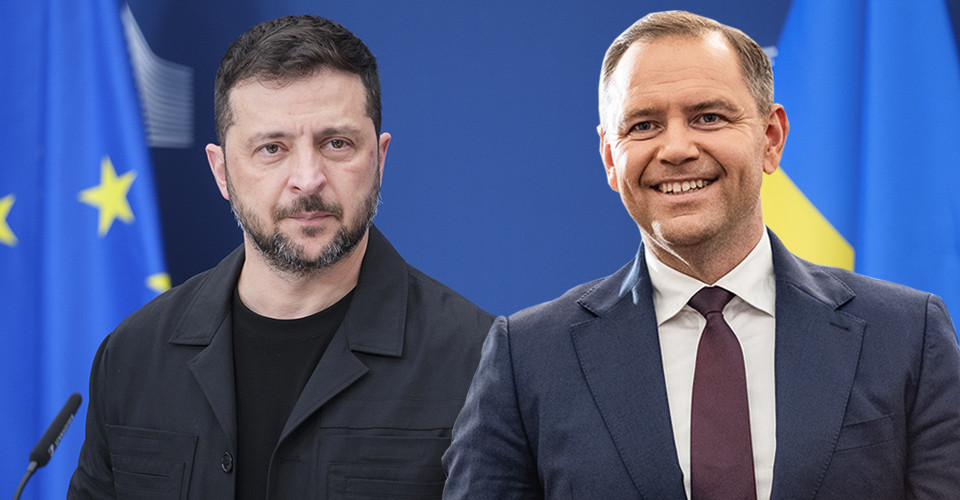

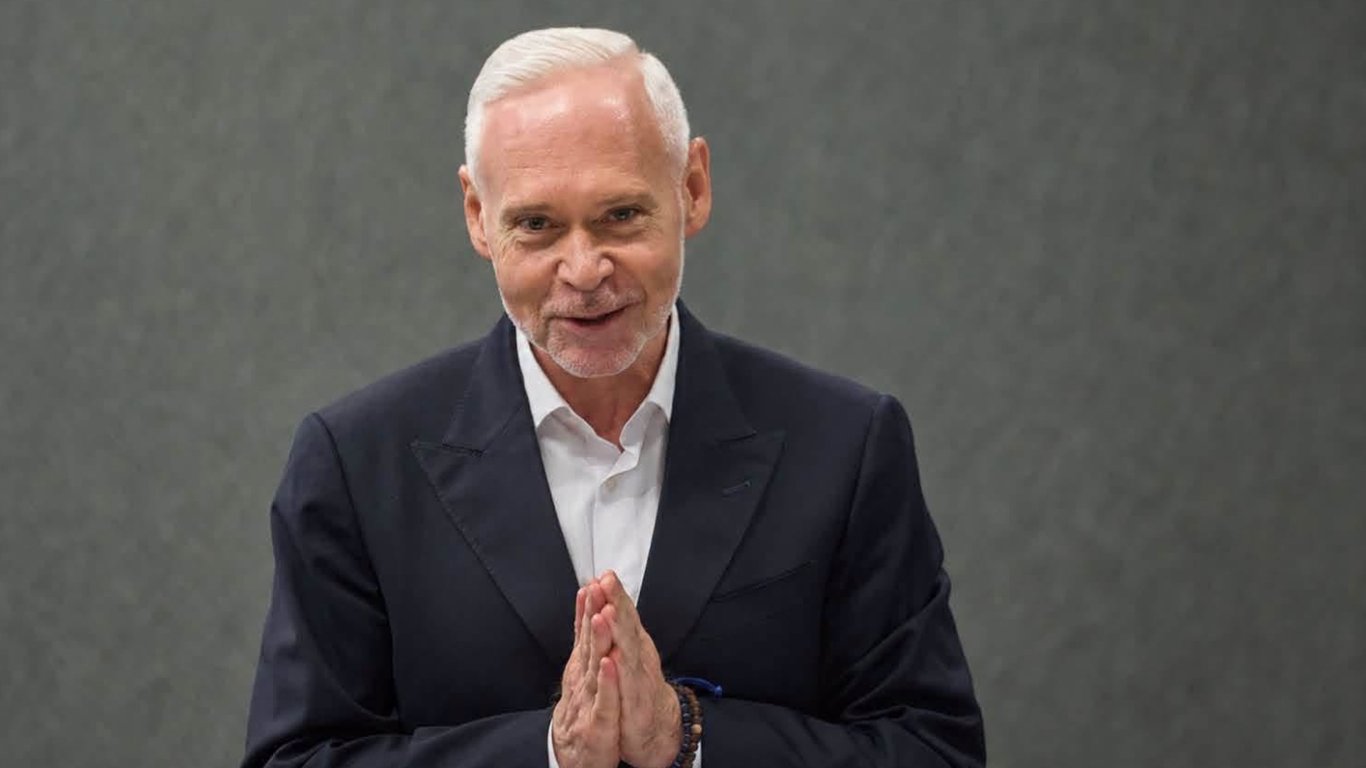
Kharkiv Secures €47 Million for Housing: Mayor Terekhov Clinches Reconstruction Deal
Mayor Meets International Partners in Gdansk Kharkiv Mayor Ihor Terekhov held talks in Gdansk with Carlo Monticelli, head of the Council of Europe Development Bank, focusing on housing reconstruction and residential program expansion. This meeting marked a pivotal step toward addressing the shelter ...
today, 15:12
300


Horoscope
LIFESTYLE



Tourism


The Secret to Perfect Homemade Dumplings: A Recipe for Juicy Filling
today, 14:30
287
A 5-Minute Crab Stick Salad: Easy Recipe with Processed Cheese
today, 13:54
324

July 2026 Lunar Calendar: Key Dates for Success and Caution Revealed
today, 09:00
354
Tech

Phone Charger Overheating: When It’s Normal and When It’s Dangerous
today, 17:36
143



Society


50 Dogs Evacuated from Frontline Areas Need New Homes in Odesa
today, 17:54
85
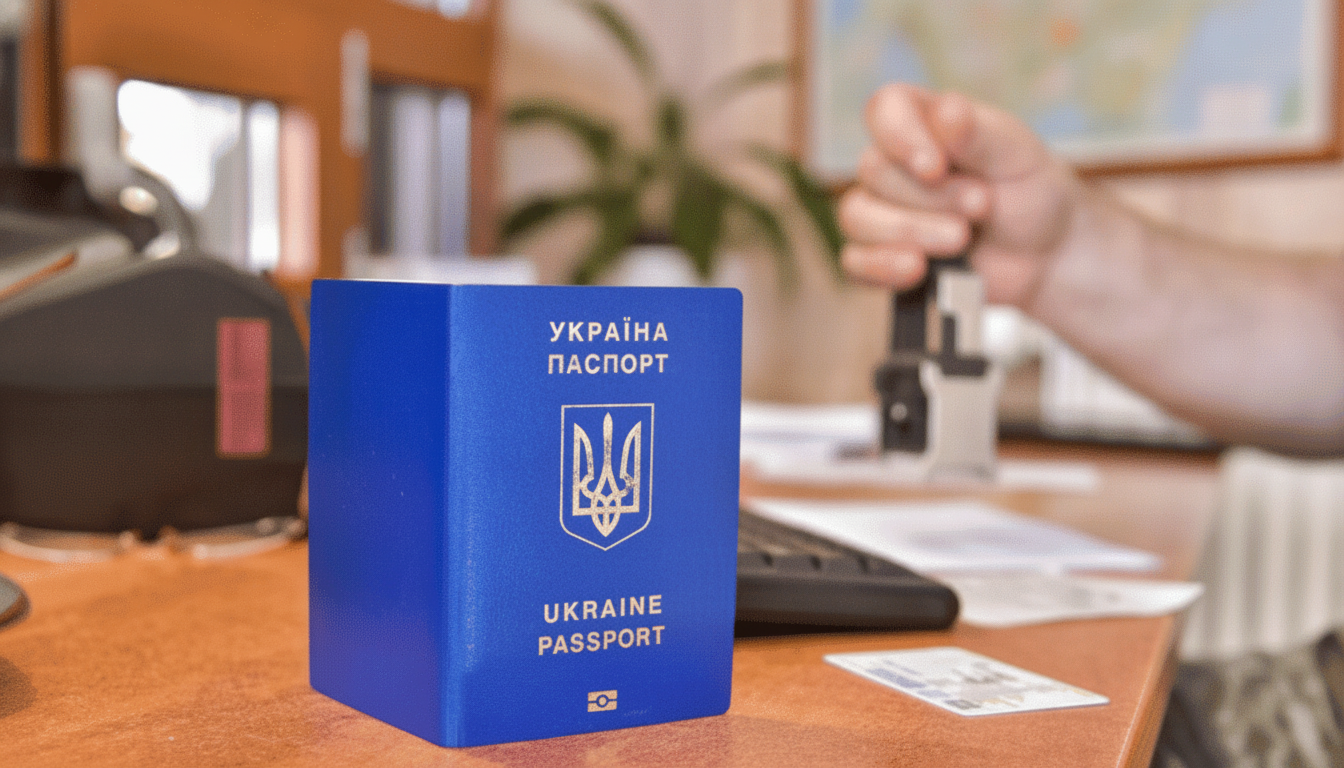

Seven Ukrainian Civilians Freed from Russian Captivity: Who They Are
today, 15:30
314









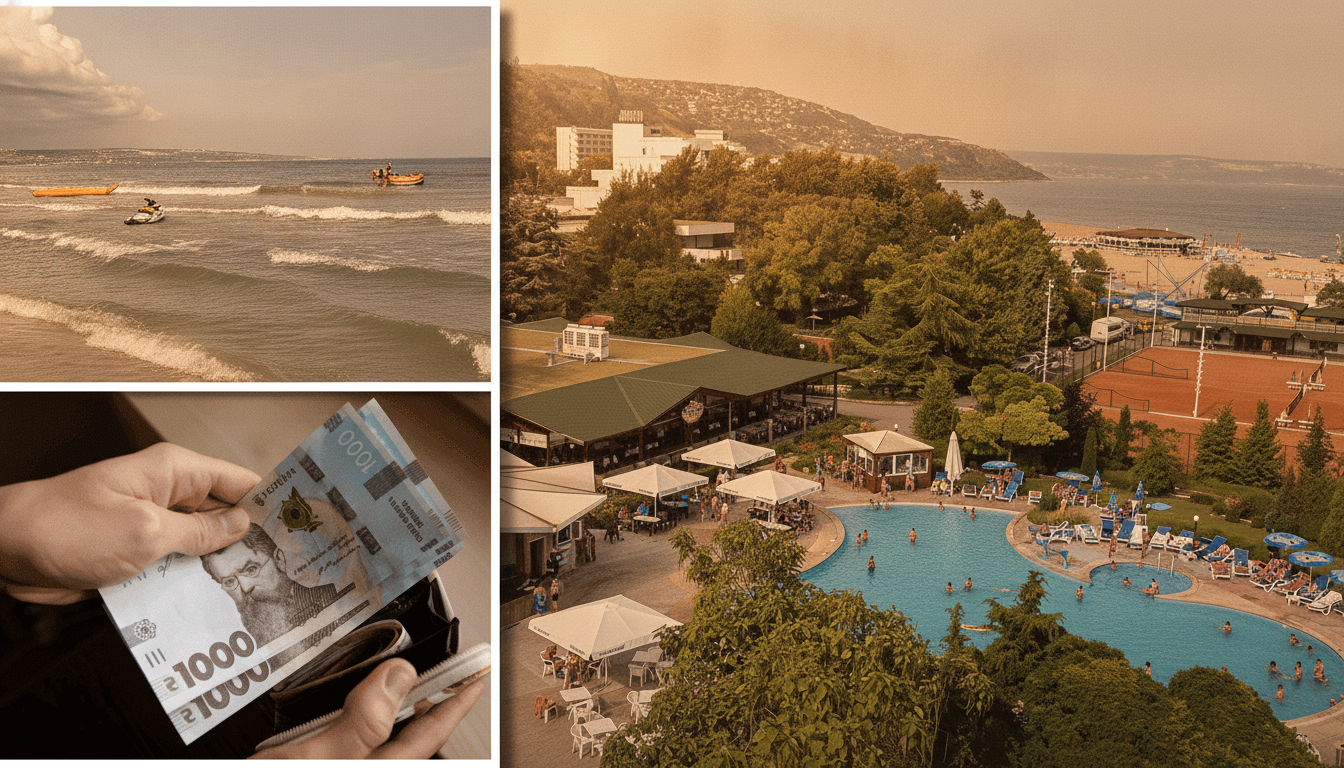
Affordable Summer 2026: Bulgaria and Turkey Reveal Vacation Costs for Ukrainians
yesterday, 13:42
457