A Wounded Soldier's New Mission: Commanding Ground Robots Through 7,000 Combat Tasks.

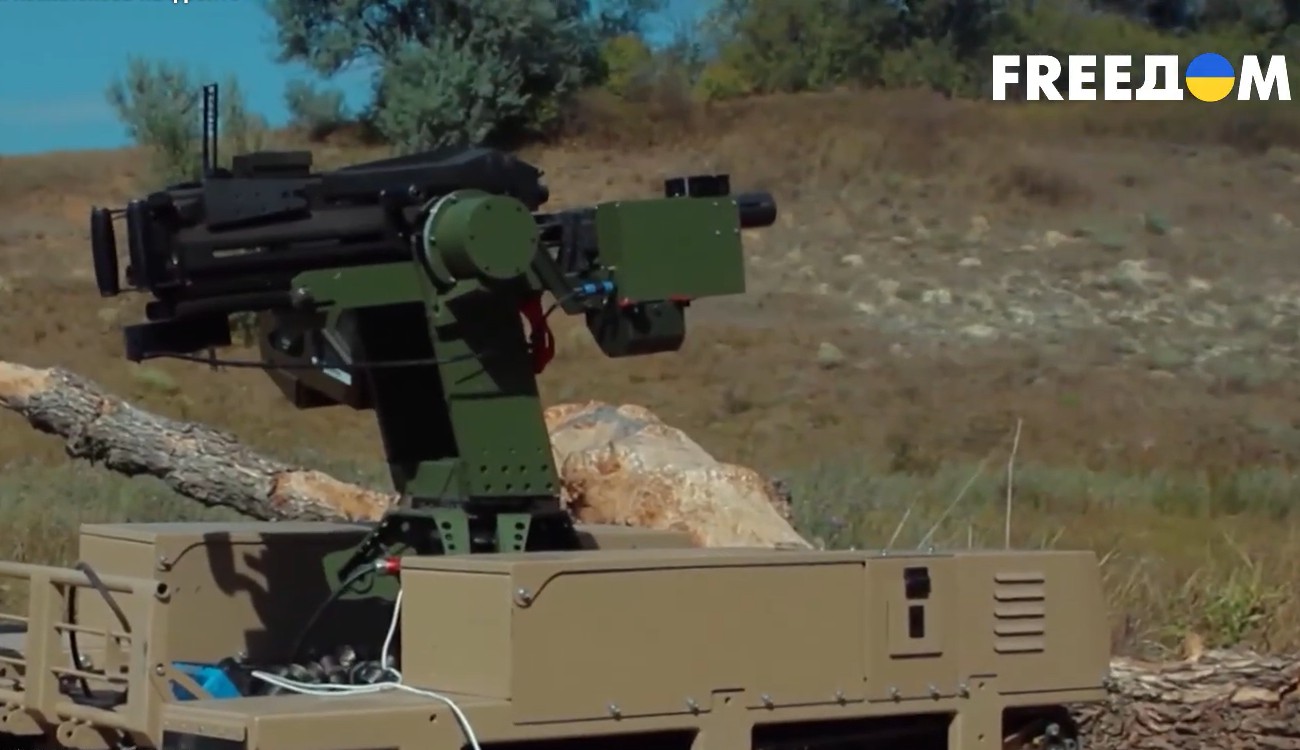
The Battlefield Role of Robotic Ground Systems
According to UATV: Robotic ground systems are now a vital asset on the front lines, primarily handling the dangerous work of delivering supplies and ammunition to troops. One of the operators controlling these machines is 33-year-old Oleksandr, originally from Balakliia in the Kharkiv region, who volunteered to defend Ukraine in 2015. The use of such unmanned systems has become a critical component of modern warfare, reducing direct risks to personnel.
On February 24, 2024, Oleksandr was wounded after stepping on a mine near Chasiv Yar. Following rehabilitation in Lviv, he returned to service with significant experience in operating new technologies.
"The first time I stood on my prosthetic leg, the emotions were indescribable," said Oleksandr.
Oleksandr's Experience and Technological Advancement
By January 2026, these robotic ground platforms had completed over 7,000 combat missions, with Oleksandr playing an active role in these operations.
"Our training was baptism by fire. One operator would deliver cargo. On the return journey, in a safer area, I would take over control," Oleksandr explained.
For now, operators of these ground systems are focused solely on logistics. As the commander of the 1st Platoon of Attack UAVs of the 56th Separate Motorized Infantry Brigade noted, 'We have not yet conducted evacuations, as we are still a young unit.' The commander also emphasized the rapid pace of change on the battlefield: 'Everything is evolving, the enemy is scaling up, we are scaling up, and right now we are in a technology race.'
The deployment of robotic ground systems allows militaries to perform hazardous duties while minimizing risks to soldiers' lives. The sharp increase in missions completed by this technology underscores its effectiveness in securing supply lines. Oleksandr's return to duty as an operator after his injury demonstrates not only professional skill but profound personal courage. This ongoing technological evolution highlights the critical need for armed forces to continuously adapt to new challenges and emerging threats.
Read also
- Three Ukrainians Without Documents Rescued from Occupied Territories Under Bring Kids Back UA Initiative
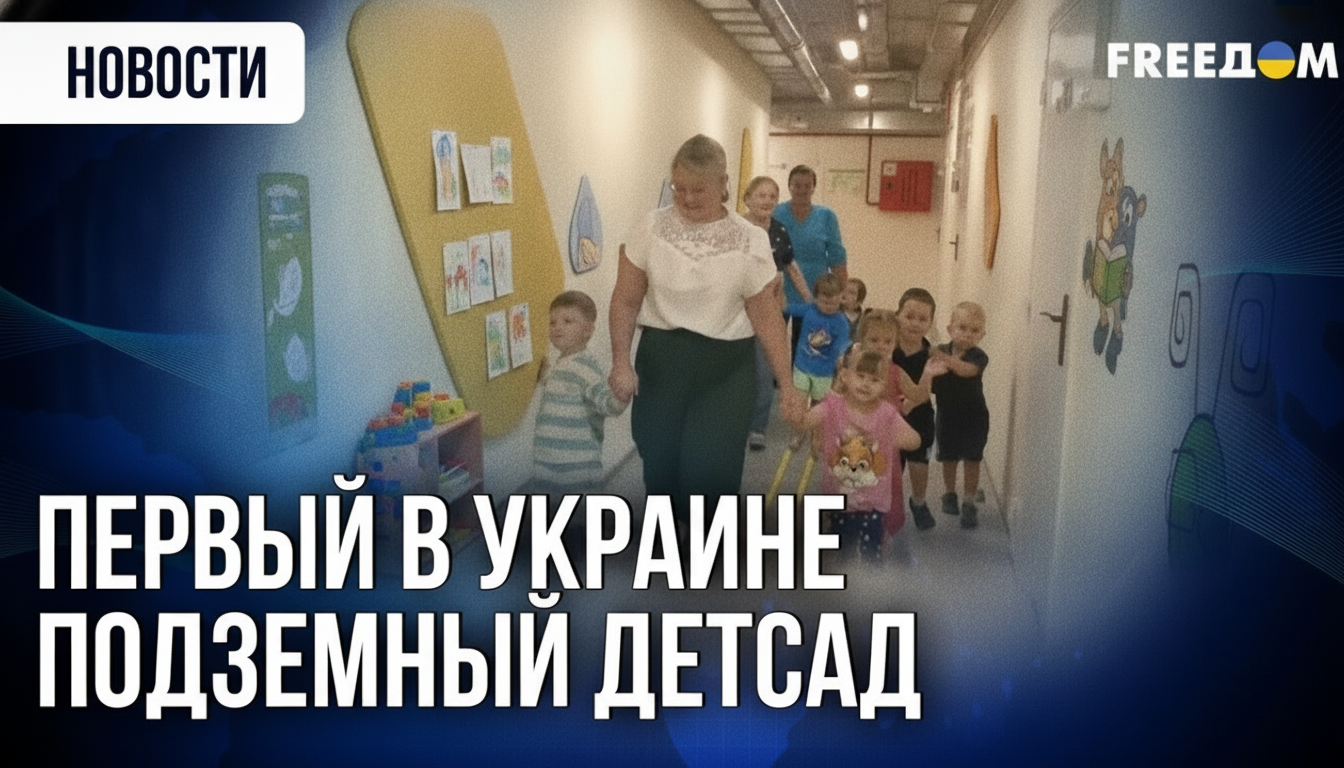
- Ukraine’s first underground kindergarten opens in Kharkiv, accommodating 260 children
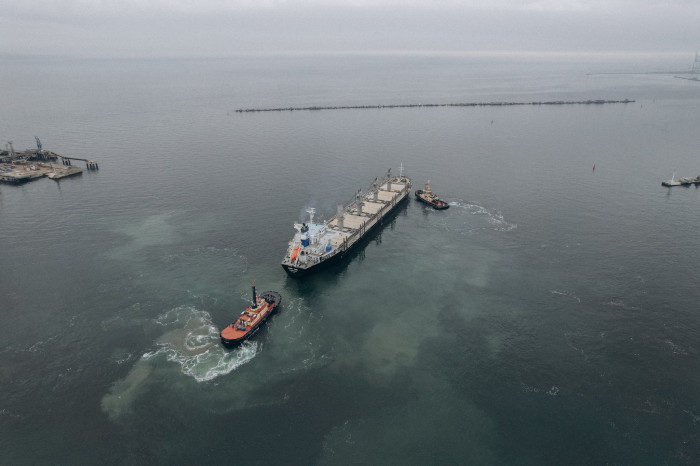
- Ukraine's ports crippled by Russian strikes: 28 vessels hit, 21 killed
- 24 Children Rescued from Occupied Territories by Save Ukraine, Including Injured 13-Year-Old Anhelina
- Woman Faces Up to 7.5 Years in Prison After Attacking Children for Speaking Ukrainian in Poland
- One of the Most Recognizable Voices on Ukrainian Radio, Journalist Oleksandr, Has Passed Away