







March 11th Night Strikes: Russian Ammunition Depots Near Mariupol and Togliatti Factory Hit.

March 11th Night Strikes: Russian Ammunition Depots Near Mariupol and Togliatti Factory Hit

Drone Attacks Inflict Losses on Russian Forces

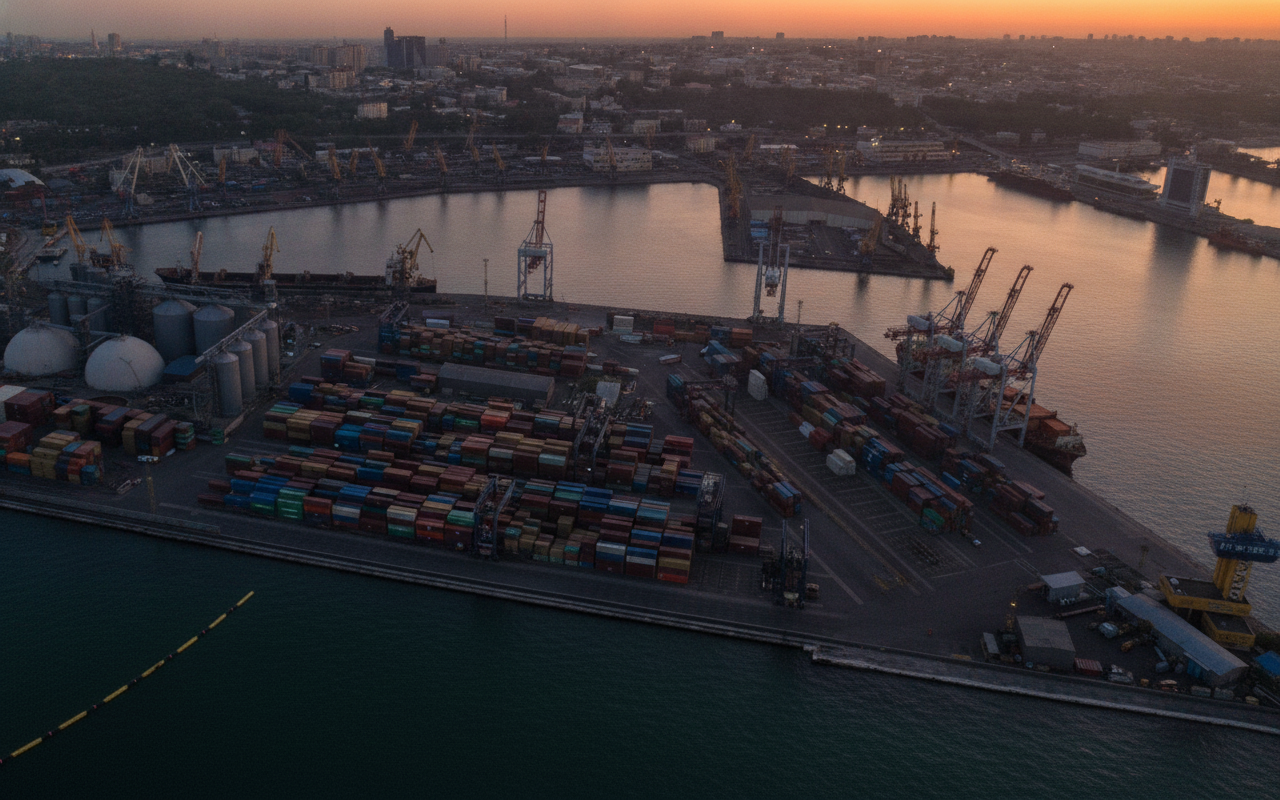
According to TSN.ua: Drone strikes on the night of March 11, 2023, caused substantial losses for Russian forces both in Ukraine and on Russian territory. Major ammunition depots for Russian troops on temporarily occupied territories, including one near Mariupol, were successfully targeted. The resulting secondary detonation of shells continued for over 30 minutes, indicating the significant scale of the destruction.

That same night, a Russian air defense base at Cape Fiolent was also attacked, inflicting serious losses on the Russian Federation's 12th Anti-Aircraft Missile Regiment. These events point to an intensification of strikes against Russian military assets, which could degrade their operational combat capabilities. Such deep-strike operations have become a more frequent feature of the conflict.

Assault on Industrial Infrastructure

A separate and notable attack targeted the 'KuibyshevAzot' plant in Togliatti, Samara region. Founded in 1966, the 'KuibyshevAzot' facility is a major industrial producer known for manufacturing:

  • Mineral fertilizers,
  • Caprolactam,
  • Polyamide-6,
  • Technical yarn.

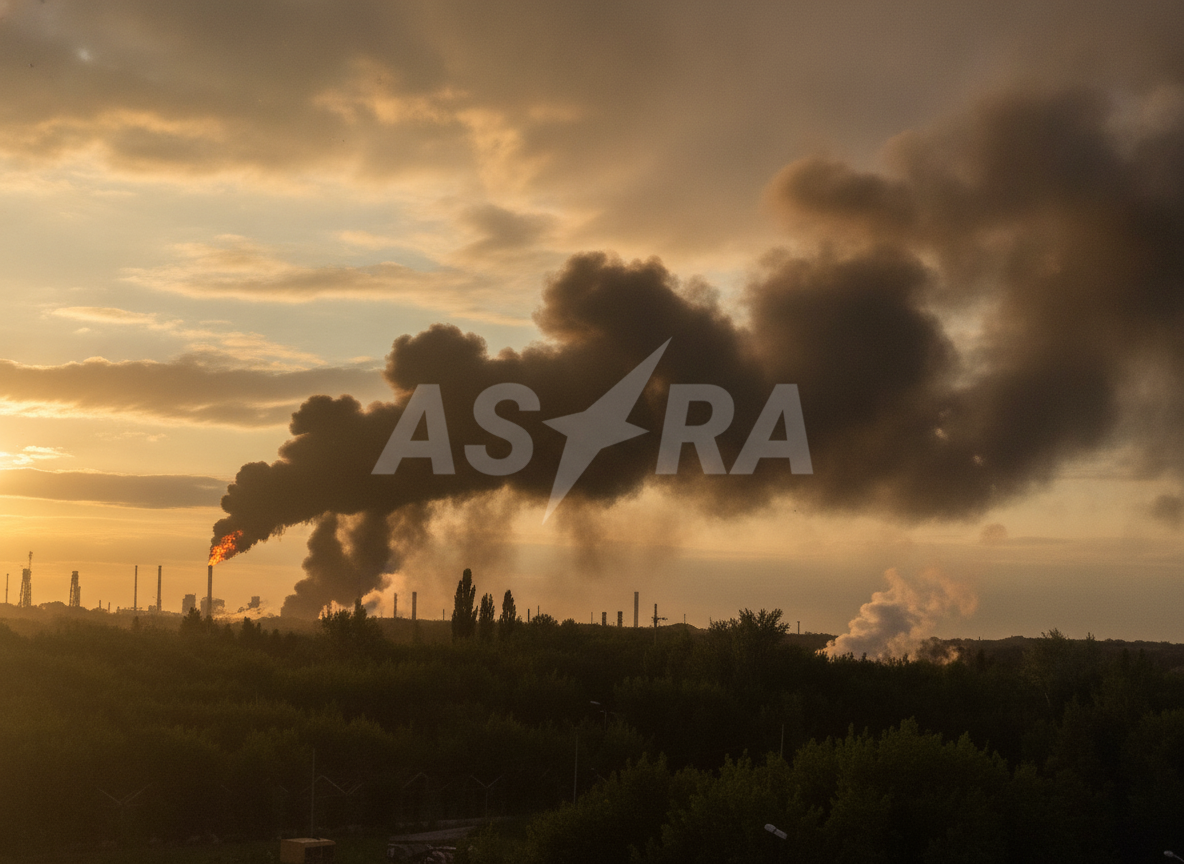
Damage to this plant, a key component of Russia's military-industrial complex, could have serious consequences for the country's industrial output and its war economy. Caprolactam is a critical precursor for producing materials like nylon, which has military applications.

Collectively, the nighttime attacks on Russian military and industrial sites underscore an escalation in the conflict and growing Ukrainian operational reach. These developments are likely to have a significant impact on both sides involved in the fighting.

The strikes against Russian military and industrial targets signal a tactical shift in the conflict, focusing on degrading the adversary's strategically vital resources. Losing production capacity like that of 'KuibyshevAzot' could affect domestic supply chains and manufacturing, which may, in turn, influence the duration and intensity of hostilities. Such actions may propel the conflict into new phases of escalation and shape the international community's response to the ongoing war.


Read also

Advertising