How to Transfer an Apartment to a Child Without a Gift: Legal Alternatives in Ukraine.


Transferring an apartment to a child is not only an expression of care but also a way to protect property from risks associated with divorce, legal disputes, or inheritance conflicts. In Ukraine, there are several legal ways to make a child the owner of property without using a gift.
The editorial team at Novyny.LIVE explains the legal alternatives that ensure safe property transfer.
Transferring an Apartment Through Sale
One of the most reliable ways to transfer an apartment to a child without a gift is to formalize a sale agreement directly in the child's name. In this case, ownership rights pass to the child, while parents or relatives act as initiators of the deal.
This approach has several advantages:
- The apartment immediately becomes the child's property, protecting it from division of property between spouses in case of divorce.
- There is no need to formalize a gift or a will, simplifying the procedure.
- The risks of legal disputes with other heirs are reduced in the future.
To conclude such a transaction, consent from the guardianship authorities is required, as the child is a minor. It is also necessary to confirm the source of funds if the child is listed as the buyer.
Until the age of 18, the child can only dispose of the apartment with the consent of their parents and the guardianship authorities, the Central Interregional Department of the Ministry of Justice (Kyiv) emphasizes.
Will as a Method of Transferring an Apartment
A will is a classic tool for those who do not rush to transfer the apartment to a child during their lifetime. You can create a will with a notary, specifying the child as the heir.
This method has its peculiarities:
- Ease of registration: it is sufficient to contact a notary with a passport and the documents for the apartment.
- Flexibility: a will can be changed or canceled at any time.
- No need for consent from guardianship authorities at the stage of drafting the document.
However, there are also disadvantages: the apartment remains your property until death, and after that, disputes with other heirs may arise.
"A will is a convenient tool for estate planning, but it does not provide a 100% guarantee that the property will only go to the child. To avoid disputes, I advise consulting a lawyer in advance and clearly defining all the details," says notary Olena Kravets.
Registering an Apartment Through Privatization
If the apartment is state-owned, it must first be privatized. In 2025, privatization remains an accessible way to gain ownership, after which the apartment can be transferred to the child via sale or will.
For privatization, the following is required:
- Documents for the apartment (order, rental agreement);
- Certificate of absence of other privatized housing;
- Registration of all interested parties in the apartment.
Children under 16 do not participate in privatization, but their rights are represented by parents. After privatization, the apartment can be registered in the child's name through one of the aforementioned methods.
If the main tenant has died, privatization may be possible through the court, complicating the process.
Advantages of Registering an Apartment in a Child's Name
Registering an apartment in the child's name has strategic advantages:
- Protection from divorce. An apartment owned by a child is not subject to division between parents.
- Minimization of disputes. Registering in a child's name reduces the chances of other relatives claiming property.
- Financial security. The child receives property that can become the basis for their future.
However, until the age of 18, the child cannot independently manage the apartment. Until 14 years, all transactions are conducted by parents or guardians, and from 14 to 18 years — with their consent and the approval of guardianship authorities.
Legal Nuances and Pitfalls
Transferring an apartment to a child without a gift carries its risks:
- Guardianship authorities. Transactions with minors are impossible without their consent. They check whether the child's rights are not violated.
- Inheritance disputes. If you choose a will, be prepared for possible claims from other heirs.
- Restrictions on disposal. Until the child reaches adulthood, any actions with the apartment (sale, rental) require state consent.
As reported, although Ukrainian legislation does not recognize children as participants in property division during divorce, the court necessarily takes into account the child's interests to ensure decent living conditions and a stable future, rather than simply dividing joint property formally.
Property issues within families can either strengthen or destroy family relationships, especially if clear legal norms are not followed. In Ukraine, the protection of property rights of minors is ensured by the Family and Civil Codes, which continue to operate in 2025 with a special emphasis on the child's interests.
Advice on transferring real estate to children in Ukraine can be helpful for parents who plan to ensure financial stability for their children in the future. It is important to adhere to legislative norms and avoid possible inheritance disputes when planning property division. The state cares for the interests of minors in this context, ensuring them protection of property rights.Read also
- Three Ukrainians Without Documents Rescued from Occupied Territories Under Bring Kids Back UA Initiative
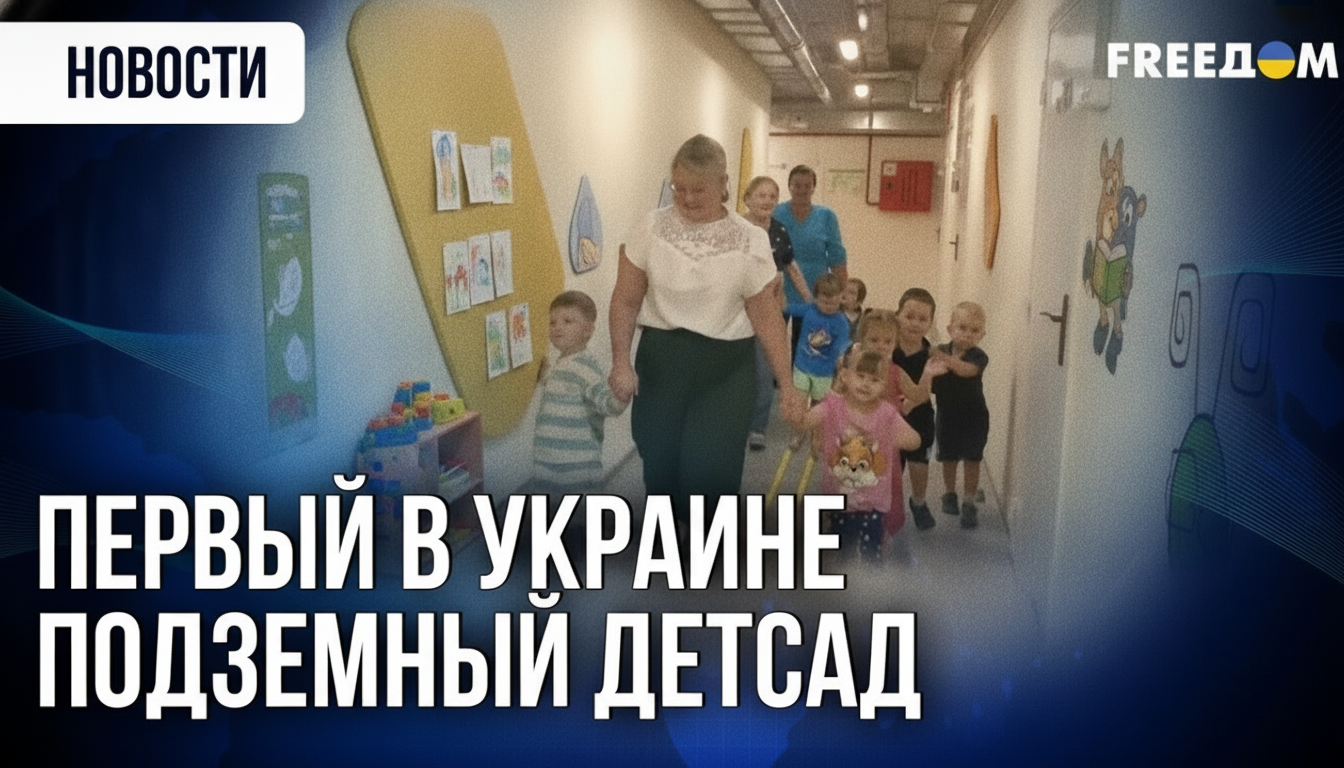
- Ukraine’s first underground kindergarten opens in Kharkiv, accommodating 260 children
- Ukraine's ports crippled by Russian strikes: 28 vessels hit, 21 killed
- 24 Children Rescued from Occupied Territories by Save Ukraine, Including Injured 13-Year-Old Anhelina
- Woman Faces Up to 7.5 Years in Prison After Attacking Children for Speaking Ukrainian in Poland
- One of the Most Recognizable Voices on Ukrainian Radio, Journalist Oleksandr, Has Passed Away