Transition to Winter Time in October 2025: Why the Law on Cancellation Did Not Work.


In July 2024, the Verkhovna Rada adopted draft law No. 4201 on the cancellation of seasonal time changes, but the president did not sign this law. Therefore, this year the transition to winter time will take place as usual.
Ukraine will switch to winter time on the last Sunday of October. In the night from Saturday to Sunday, October 26, 2025, at 4 a.m., the clock should be set back one hour.
History of the Transition to Daylight Saving and Winter Time
According to inkorr.com: Many countries, including European ones, implement the transition to daylight saving and winter time for energy saving. This tradition has its roots in the 18th century and became a common practice in the 20th century. The first country to introduce clock changes was Great Britain.
Economic and Biological Aspects
Initially, the purpose of clock changes was to save electricity. However, over time, questions began to arise regarding the impact of this practice on human biological rhythms and health.
This year, the transition to winter time remains relevant in Ukraine, as the president did not sign the law on the cancellation of seasonal time changes. Thus, on the last Sunday of October, clocks will be set back one hour again. This practice continues to be important for many countries as a means of energy saving and maintaining a certain lifestyle regime in society.
The transition to winter time traditionally takes place in Ukraine, as in many other countries. This issue remains in the spotlight, as legislative changes may bring adjustments to the usual schedule of life. In this regard, society continues to monitor whether there will be changes in legislation that could cancel this practice in the future.
Read also
- Three Ukrainians Without Documents Rescued from Occupied Territories Under Bring Kids Back UA Initiative
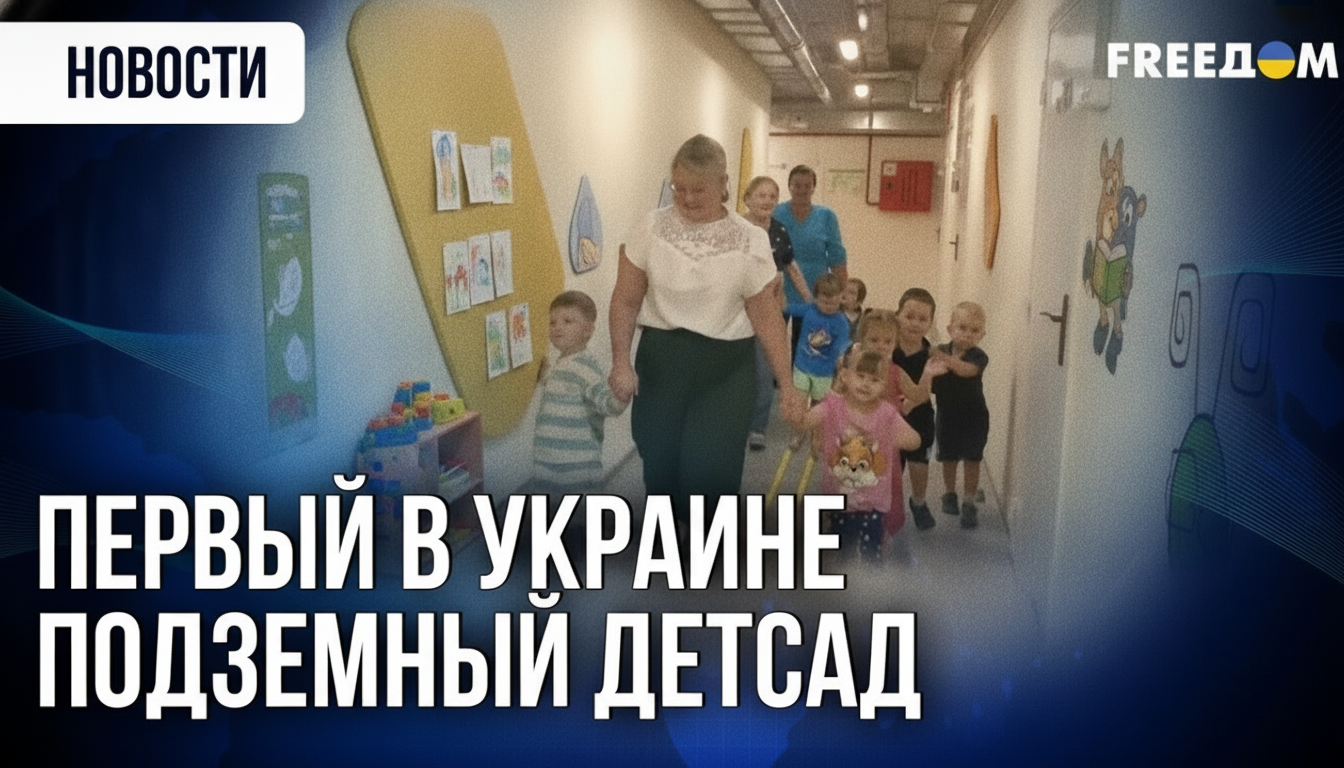
- Ukraine’s first underground kindergarten opens in Kharkiv, accommodating 260 children
- Ukraine's ports crippled by Russian strikes: 28 vessels hit, 21 killed
- 24 Children Rescued from Occupied Territories by Save Ukraine, Including Injured 13-Year-Old Anhelina
- Woman Faces Up to 7.5 Years in Prison After Attacking Children for Speaking Ukrainian in Poland
- One of the Most Recognizable Voices on Ukrainian Radio, Journalist Oleksandr, Has Passed Away