







Why Trump’s Iran Strategy Failed: The ‘Venezuela Model’ Didn’t Work.

Trump's Iran plan failed

Iran War – Latest Updates

According to TSN.ua: Donald Trump’s plan to engineer regime change in Iran by applying the so-called “Venezuela scenario” has collapsed, largely due to the resilience of Tehran’s state institutions. According to political analyst Ihar Tyshkevich, power in Iran is not concentrated in a single personality but is distributed among various groups and institutions, which together ensure the system’s stability.

Iran’s Power Structure

Iran’s governance is built on a complex framework with several key components:

  • The Supreme Leader is elected by the Assembly of Experts, highlighting the collective nature of the country’s leadership.
  • The Islamic Revolutionary Guard Corps, often described as a “state within a state,” plays a crucial role in preserving the existing order.
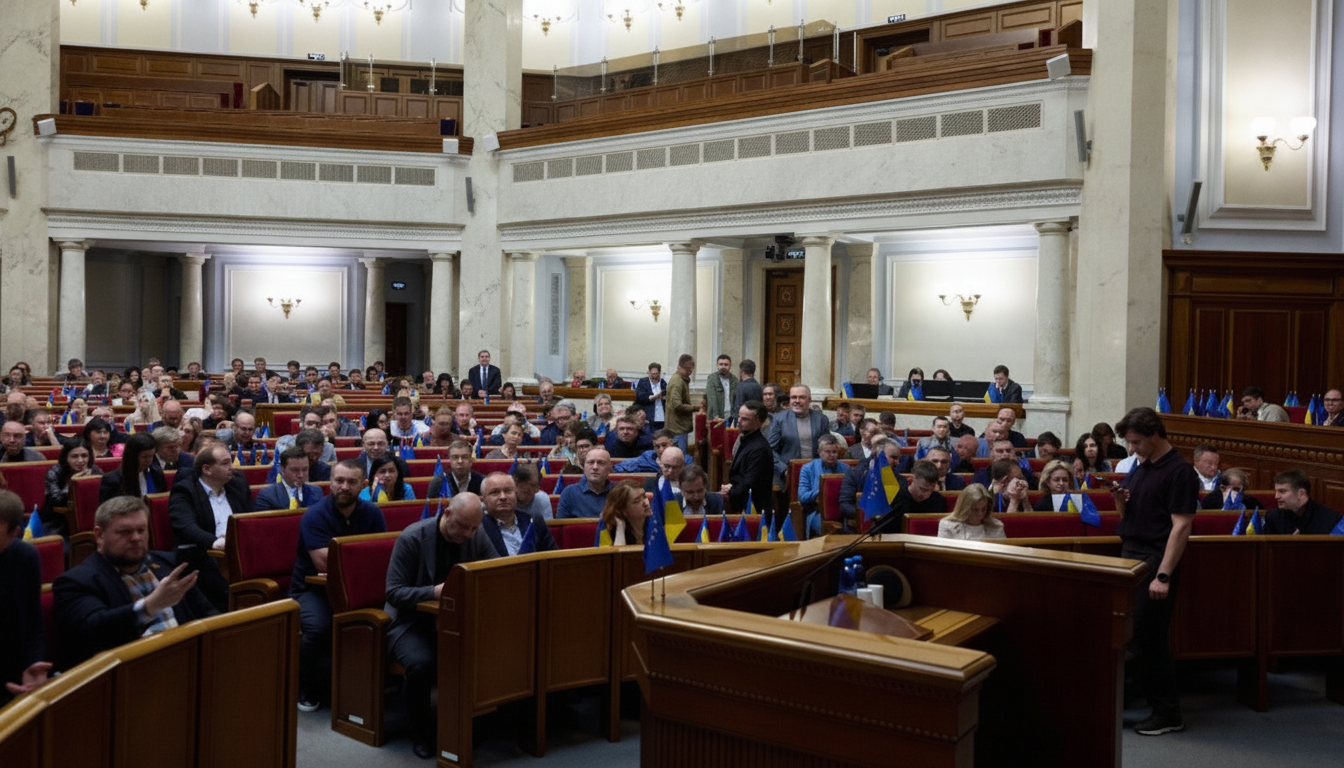
  • Iran’s current president represents the reformist wing, which, while holding some influence, remains a minority in parliament.

Against this backdrop, it is worth noting that on January 3, the United States conducted a large-scale special operation in Venezuela, resulting in the detention of President Nicolás Maduro and his wife. Maduro faces charges of drug trafficking, cocaine importation, and illegal possession of machine guns and explosives. This situation underscores the complexity of international relations and the challenges countries face when attempting to alter political regimes in other nations.

Even Iran’s Supreme Leader is elected by the Assembly of Experts. Ihar Tyshkevich

This confirms that Iran’s political system has unique features that make external intervention difficult. Tyshkevich adds:

The current president is a representative of the reformist wing, which is in the minority in parliament.
This indicates that reform efforts in the country face serious obstacles.

Amid this political stability, the United States has sent Iran a proposal to end the war in the Middle East, reflecting attempts to find diplomatic solutions in a complex situation. However, despite these efforts, Iran remains a key player in the region, complicating any attempts to change the existing political landscape.

The situation in Iran demonstrates that external efforts to influence the country’s political processes can be largely ineffective due to its intricate political structure and the resilience of its institutions. Reforms, despite the presence of a reformist president, encounter significant challenges, reinforcing the need for a more cautious approach to U.S. foreign policy in the region. Diplomatic initiatives may be important, but their implementation requires a deep understanding of local political realities.


Read also

Advertising