







Political Hostility: The True Fault Line Dividing Ukrainian Society.

Political confrontation in Ukraine

The Political Divide in Ukraine

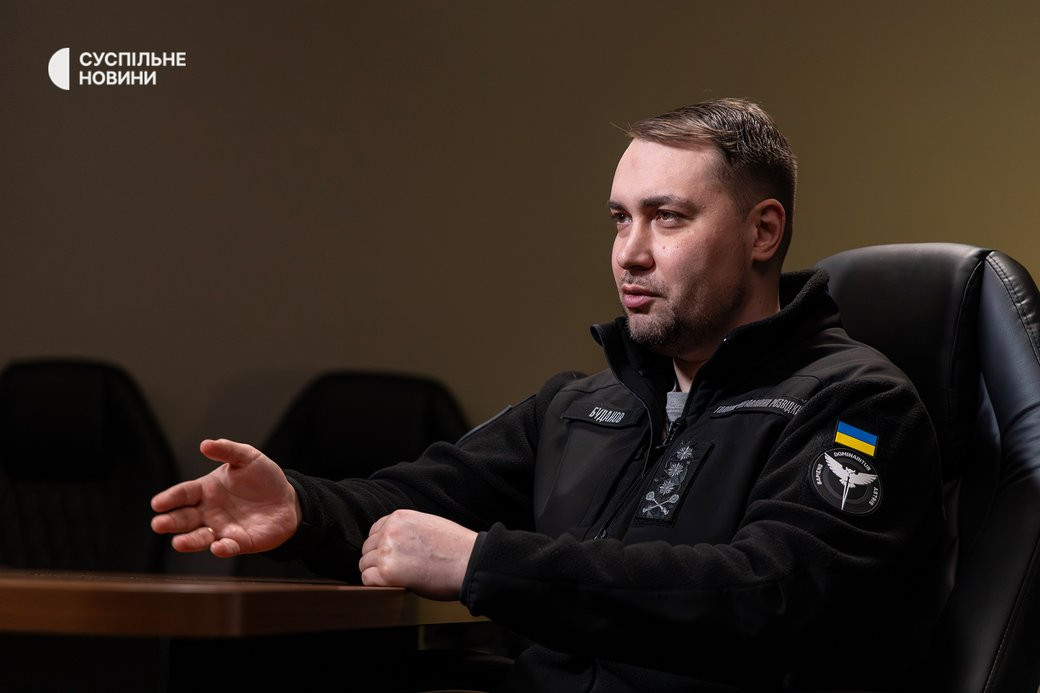
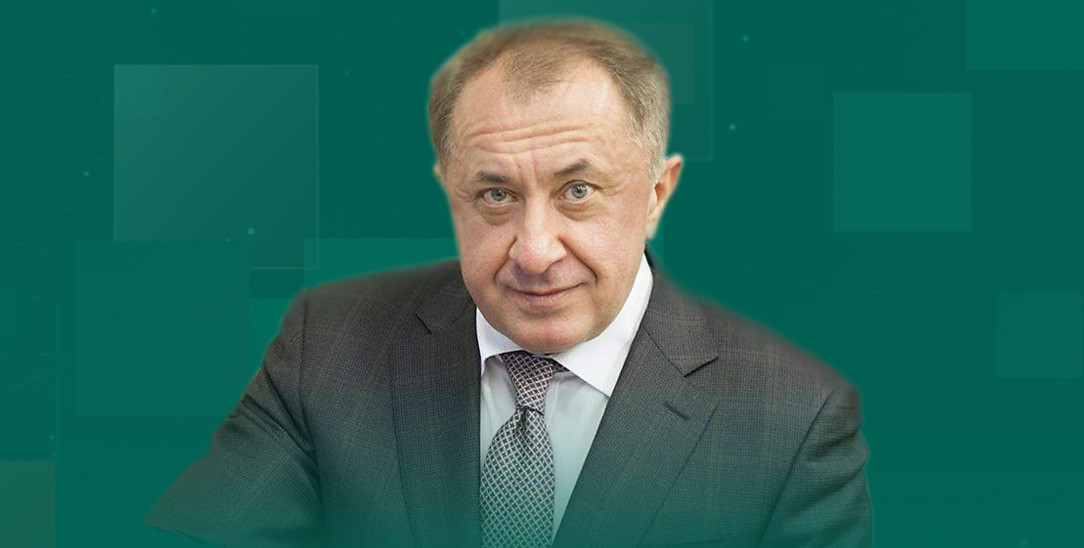
According to TSN.ua: Valeriy Pekar, a lecturer at the Kyiv-Mohyla Business School and the Ukrainian Catholic University Business School, has identified political animosity as the only significant societal division in Ukraine today. He points to sociological data showing a notable absence of major splits based on language, religion, or region. Pekar warns that this political hatred, which intensifies during elections, poses a serious threat to social cohesion and stability.

The Dangers of Disinformation

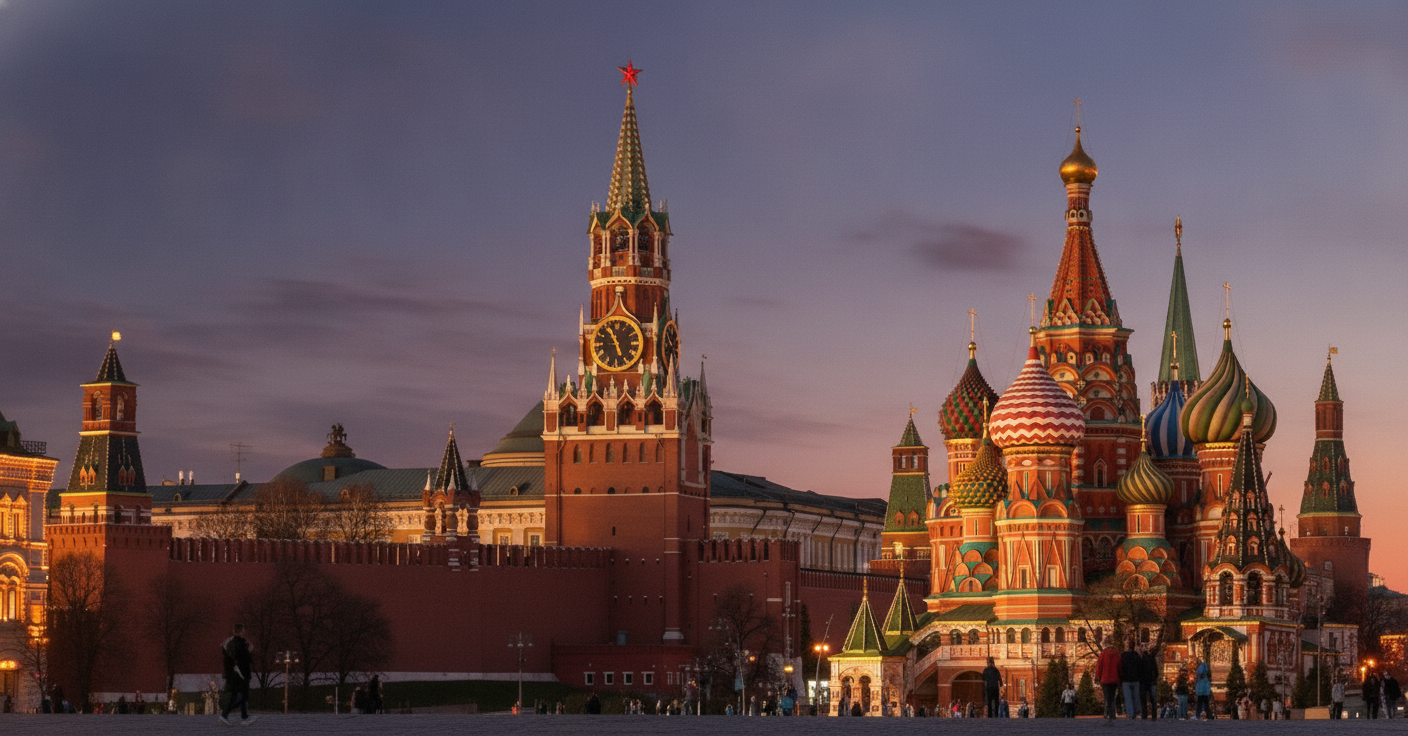
Pekar noted that Russia has long attempted to fracture Ukrainian society along these traditional fault lines, but has consistently failed.

“For a long time, Russians have been trying to split us along some standard fault lines. Nothing works,” — Valeriy Pekar.
He emphasized the particular danger that supporters of one political force are willing to believe the most horrific crimes about their opponents without any evidence. This readiness, he argues, fuels further escalation of hatred and conflict. This internal political struggle occurs against the backdrop of an ongoing war, making national unity a paramount concern.

Furthermore, Pekar observed that any public figure affiliated with a political team automatically becomes a target for accusations.

“There is no such stupid or terrible thing that, in the opinion of Zelenskyy's supporters, Poroshenko could not do, and that Zelenskyy could not do, in the opinion of Poroshenko's supporters,” the lecturer noted.
He concluded by remarking, “But creative teams need to be kept on their toes, so let the guys and girls have their fun.”

Valeriy Pekar's statements highlight the critical importance of recognizing social divisions in Ukraine and the peril of disinformation exploited by external forces. He contends that political hostility could become a major obstacle to unity and stability. Understanding these challenges is vital for fostering constructive dialogue and strengthening societal solidarity during political and social crises. It is critically important for society to unite around shared values rather than be torn apart by political rivalry.


Read also

Advertising