













Putin and Orban Discuss Iran and the Druzhba Pipeline in Key Call.

Putin and Orban Discuss Iran and the Druzhba Pipeline in Key Call

Putin and Orban Hold Phone Call

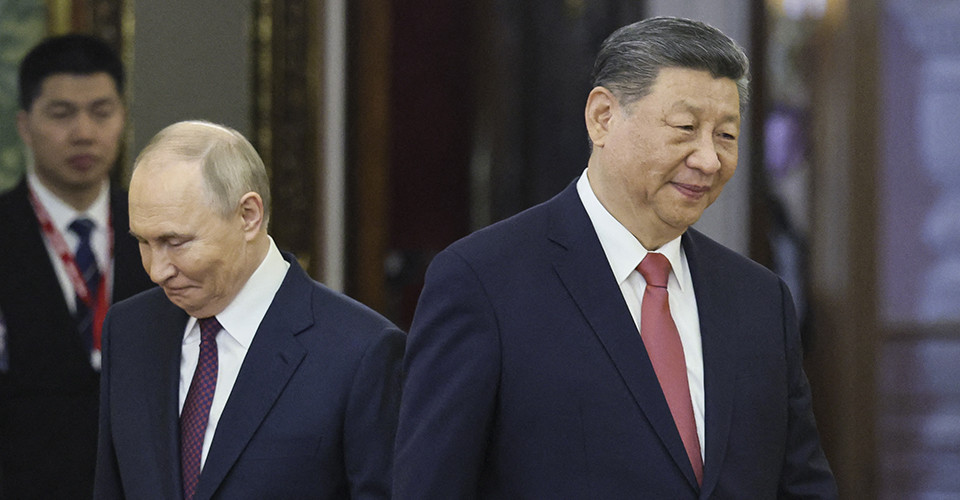
According to TSN.ua: Russian President Vladimir Putin held a telephone conversation with Hungarian Prime Minister Viktor Orban. Their discussion focused on the situation in Iran, broader energy security matters, and the status of the Druzhba oil pipeline. During the call, Putin commended the Hungarian government for its efforts towards a "diplomatic settlement." The conversation took place against the backdrop of Iran's closure of the Strait of Hormuz, a critical global oil transit route that has significantly impacted regional energy dynamics.

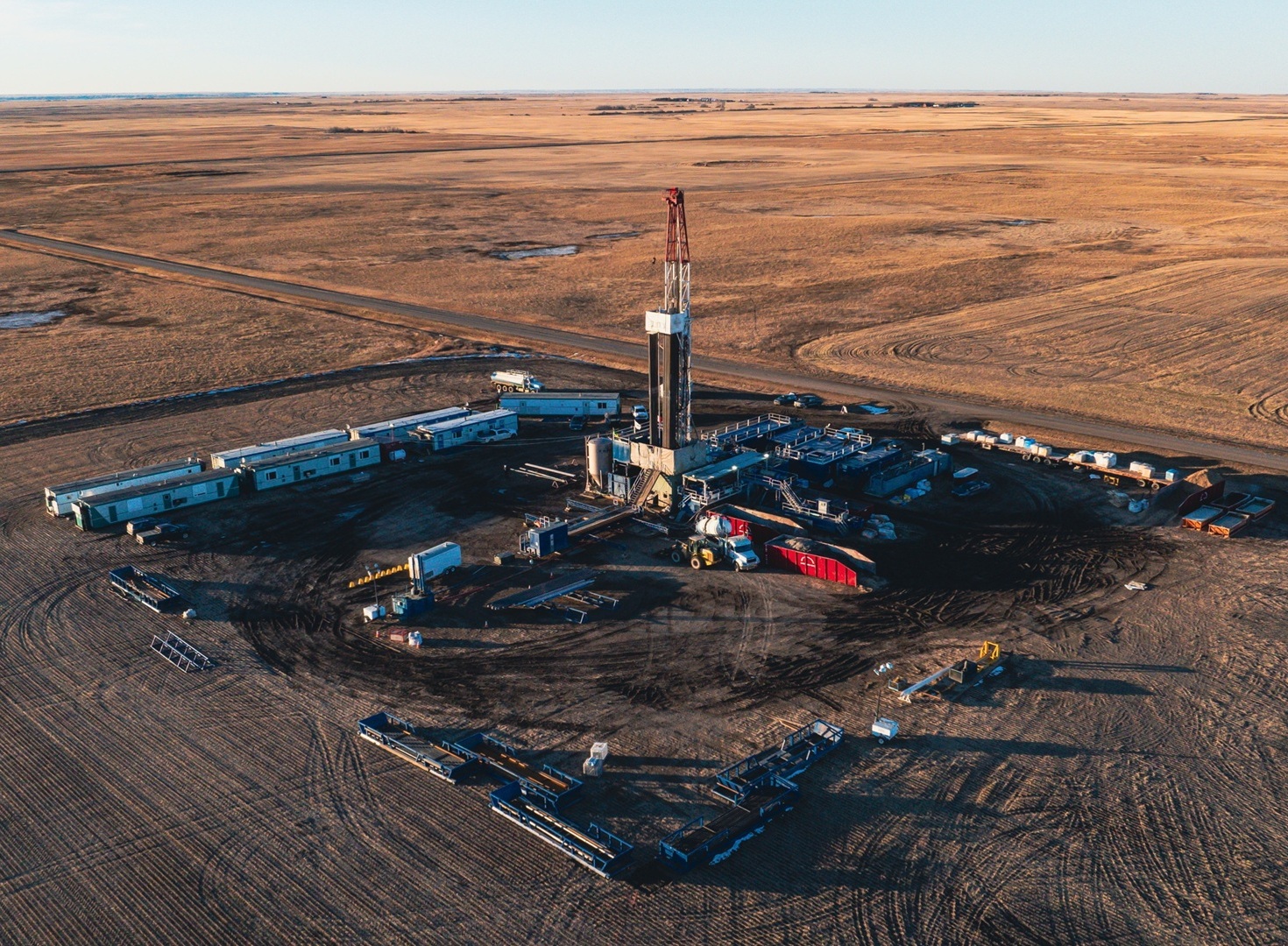
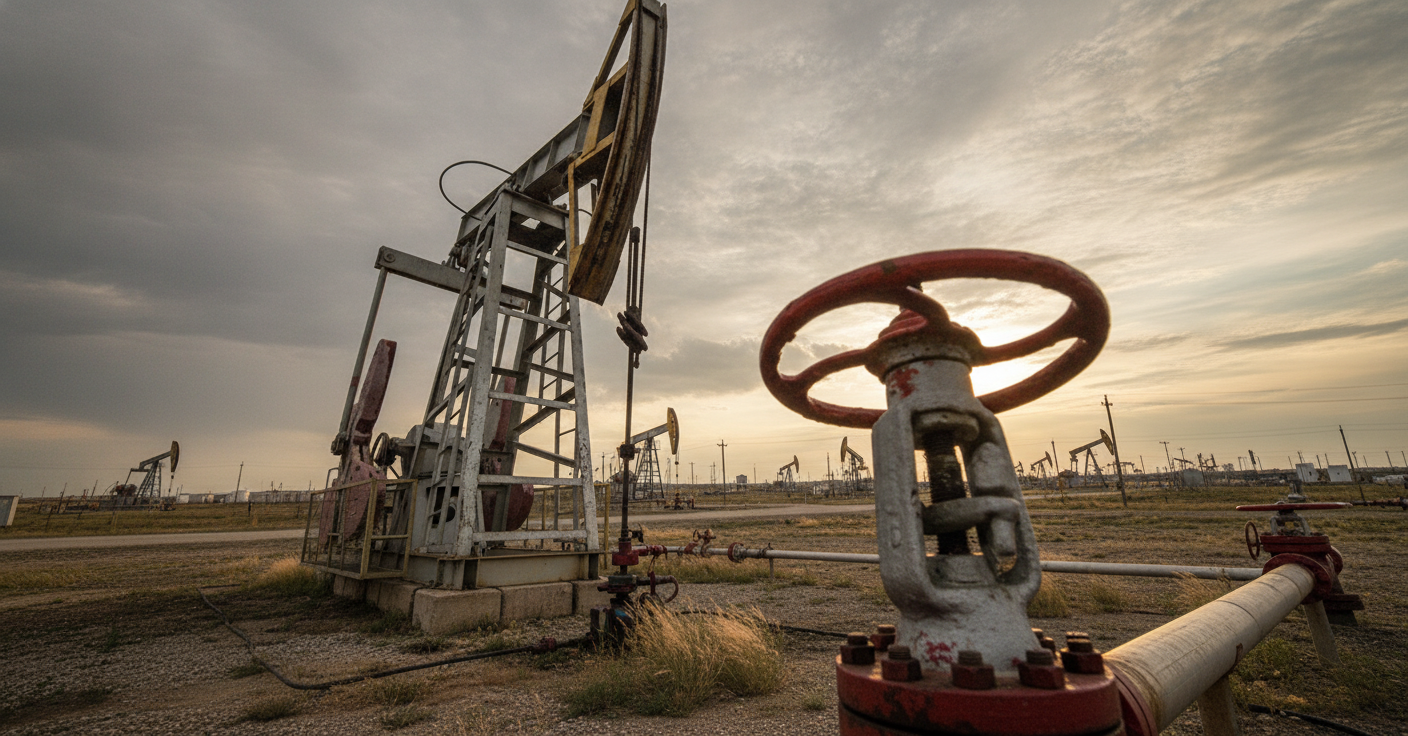
The Druzhba pipeline remains blocked, causing concern among nations dependent on this supply route. In response to the crisis, Hungary and Slovakia have agreed to establish a joint commission to investigate the damage to the pipeline. Separately, Slovak Prime Minister Robert Fico has received an invitation to visit Kyiv on either March 6 or 9, a trip that may be connected to further steps in resolving the energy issue.

Regional Tensions

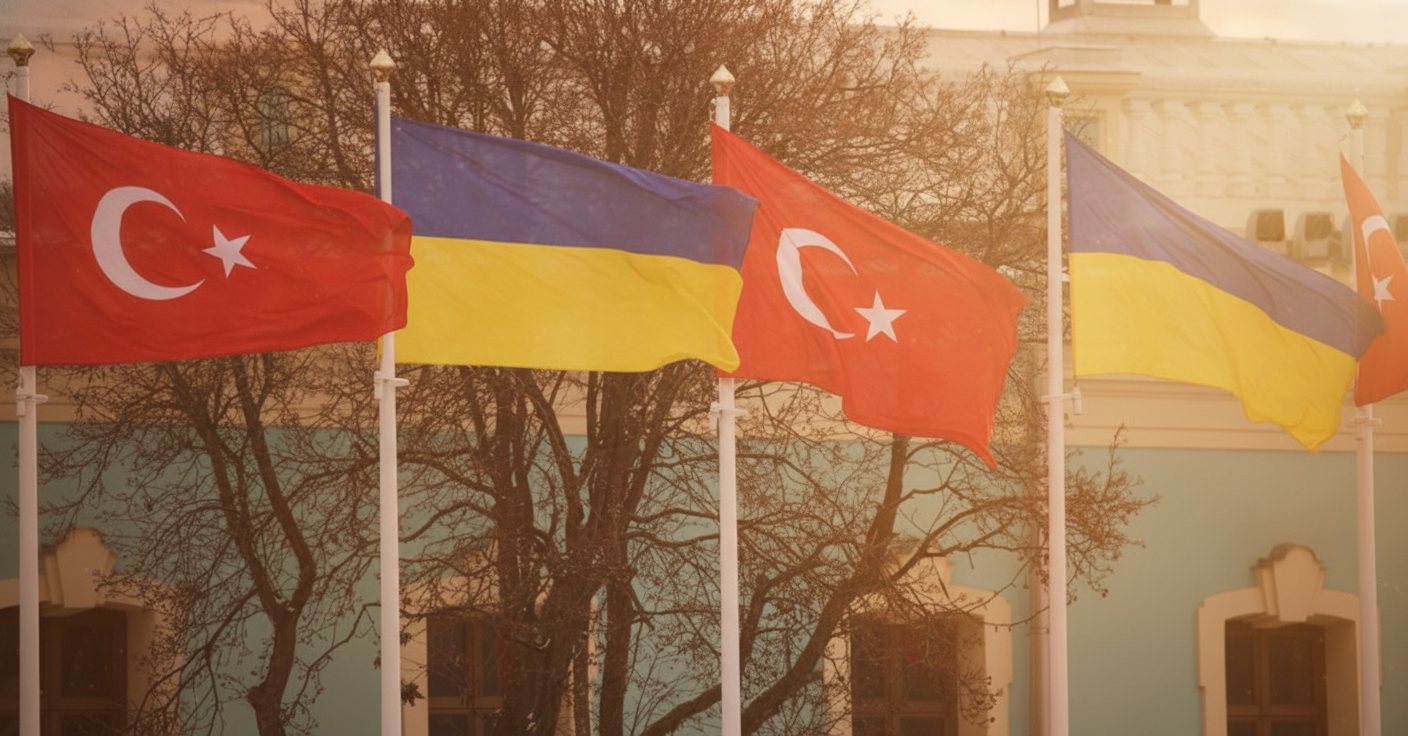
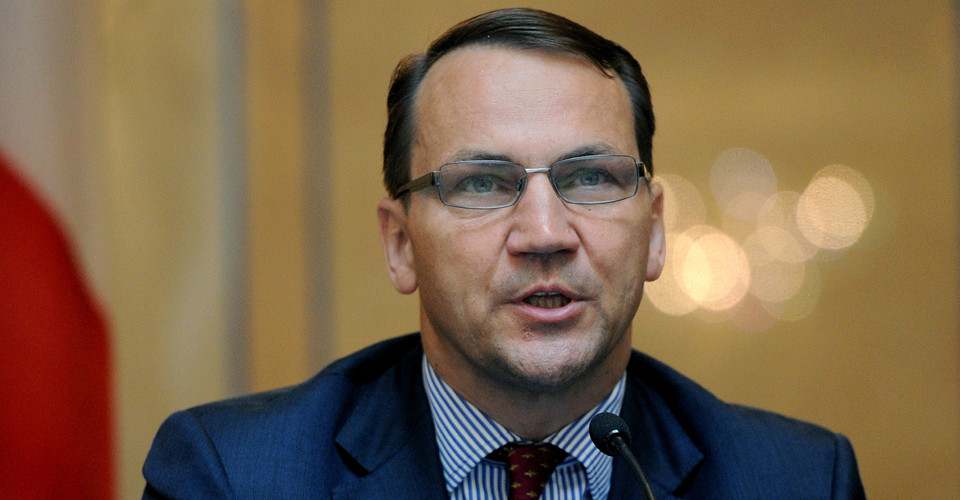
The conflict surrounding the Druzhba pipeline persists, alongside noted tensions in Hungary-Ukraine relations. A Hungarian minister has accused Ukrainian President Volodymyr Zelenskyy of "mounting an attack on Hungary," signaling potential political and economic complications in the region. A planned visit by Prime Minister Orban in November 2025 could become a significant milestone in the future development of interstate relations.

This high-level call underscores the centrality of energy security in the current geopolitical landscape, particularly amid rising regional instability. The formation of the Hungarian-Slovak investigative commission reflects the growing alarm among countries reliant on the Druzhba route for energy supplies. Concurrently, the Hungarian minister's statements regarding Ukraine point to possible strains in bilateral ties that could affect broader regional stability.


Read also

Advertising