Lithuania to Acquire 2,500 Plots for Rail Baltica's New Rail Line.

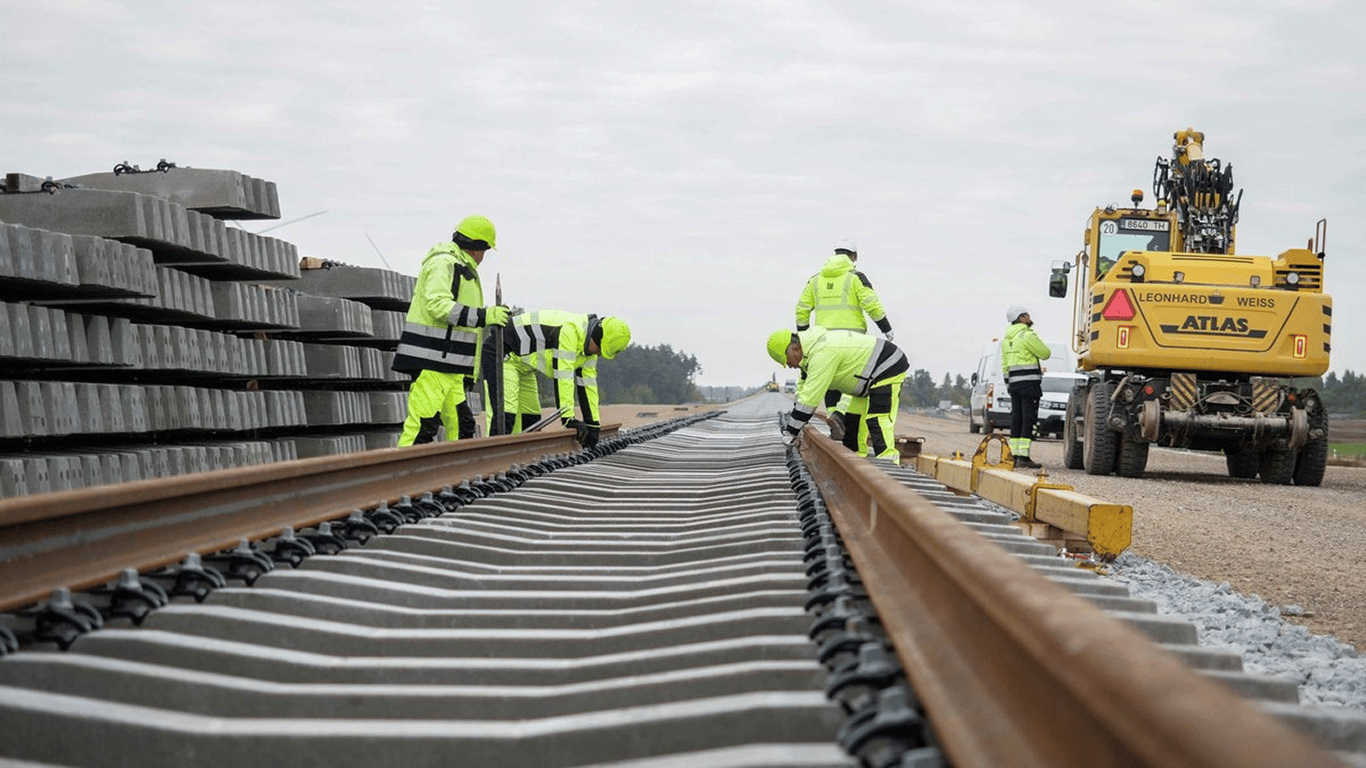
Mass Land Acquisition for Lithuania's Rail Baltica Section
According to Novyny.live: As part of the major Rail Baltica project, Lithuania is moving forward with plans to construct a new railway line between Vilnius and Kaunas. This will require the state acquisition of approximately 2,500 land plots from private owners, totaling 1,700 hectares. The Lithuanian Ministry of Transport has officially registered the infrastructure plan for this railway construction.
Project Scope and Timeline
The new railway segment connecting Kaunas and Vilnius will be 95 km long, with the total construction length, including branch lines, exceeding 200 km. The Lithuanian government aims to acquire at least 279 plots within the next two years, covering nearly 450 hectares. The company Tyrens Lietuva will manage the land acquisition process under a contract worth 1.43 million euros.
- Land acquisition procedures in Kaišiadorys, Elektrėnai, Trakai, and around Vilnius are scheduled to begin in 2028.
- Approximately 61.7 hectares of land must be acquired at the Kaunas railway node.
- On the section from Jiesia to the Polish-Lithuanian border, the plan is to acquire over 1,300 hectares.
This project is a key component of modernizing Lithuania's transport infrastructure and improving its connections with other European nations. Rail Baltica is a flagship EU initiative to connect the Baltic states with Central Europe via high-speed rail.
The Rail Baltica project represents a significant strategic investment for Lithuania, aiming to integrate the country into the core European transport network, which is expected to spur economic growth and enhance transit capabilities. While the large-scale land acquisition has raised concerns among local residents and could lead to social tensions, the government anticipates that the long-term benefits of improved mobility and new economic opportunities will outweigh these initial disruptions.
Read also
- Zelensky and Top Military Command Outline Response Plan to Russian Strikes
- EU's New Sanctions Package Targets Crypto Platforms Used to Bypass Restrictions
- New directives for Ukraine's National Security and Defense Council: Zelenskyy assigns tasks to Umerov and Klymenko
- Ukraine Extradites Former Lawmaker Demchak in Major Push to Bring Back Suspects
- EU Adopts 21st Sanctions Package Against Russia: What the New Restrictions Target
- Lithuania Accuses EU Nations of Undermining Sanctions for Their Own Economic Gain