









Expert Cites Shortages of 'Kinzhal' Missiles and Aging X-22s as Russia Skips Rocket Launches.

Expert Cites Shortages of 'Kinzhal' Missiles and Aging X-22s as Russia Skips Rocket Launches

Technical Challenges Facing Russia

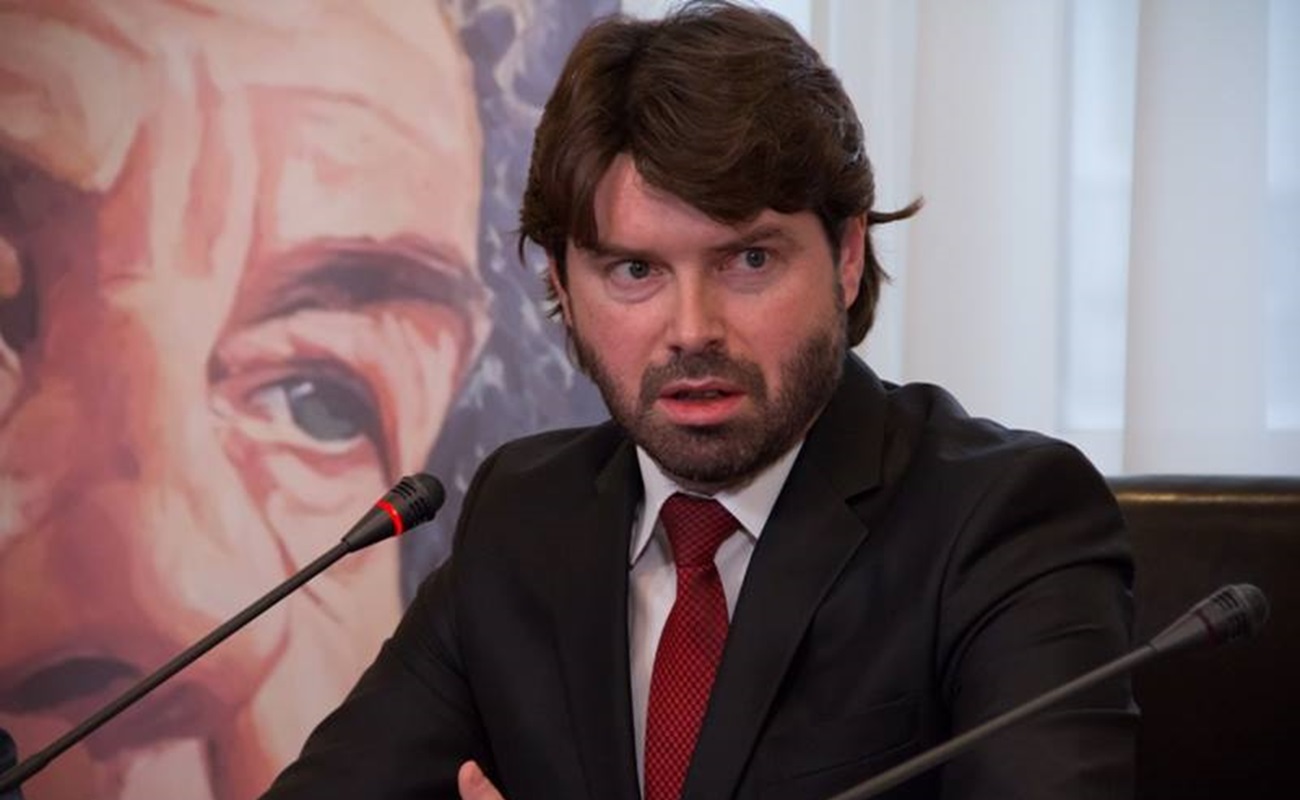
According to TSN.ua: Russia's recent mass strikes have notably excluded rocket launches, a potential indicator of significant technical difficulties. According to military expert Oleg Zhdanov, these issues stem from a shortage of new missiles and problems with the aircraft that carry them. This development suggests a potential strain on Russia's ability to sustain its long-range strike campaign against Ukraine.

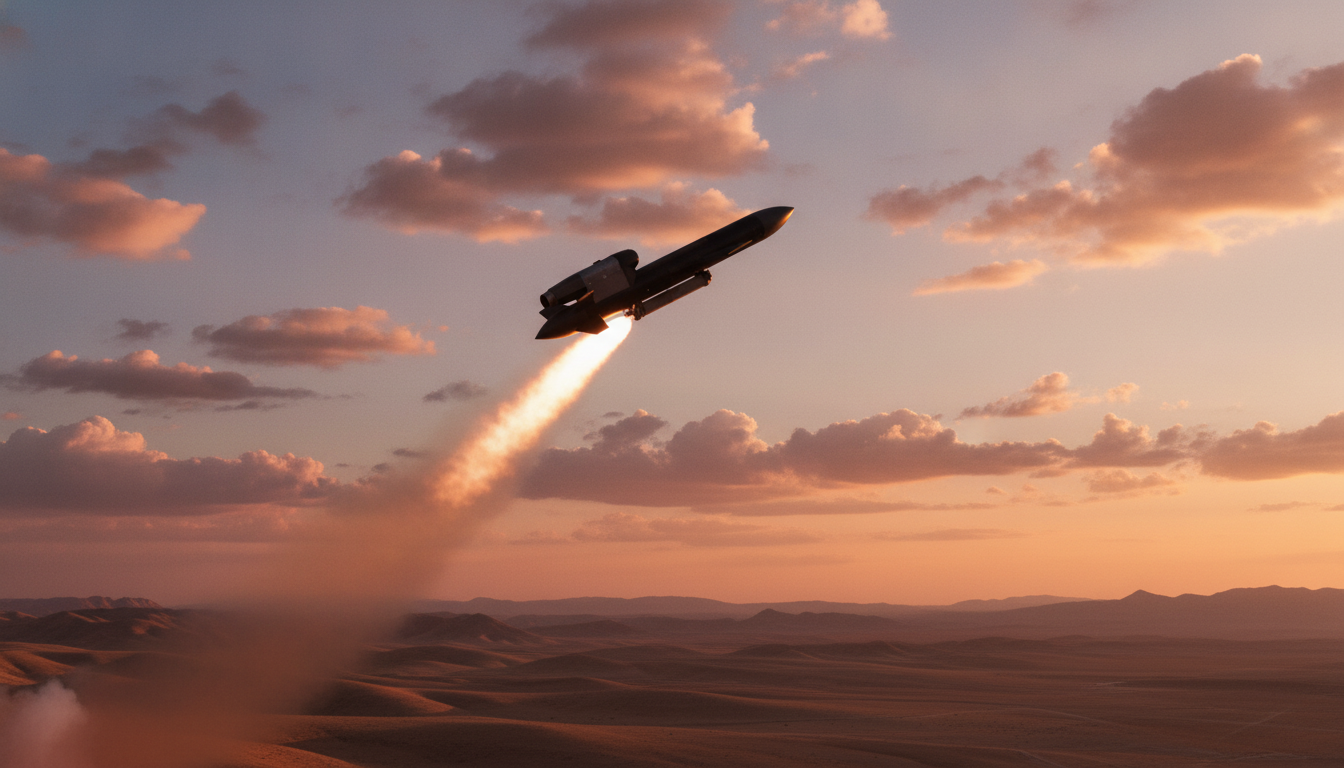
The Kh-22 missile, originally designed in the late 1960s, remains a primary weapon in Russia's arsenal, but the country possesses no newly manufactured versions. Although Russia attempted to modernize the missile into the Kh-32 variant, only a handful of these exist. As Zhdanov states:

“The Kh-22 is a missile from the late 60s, and there are no new ones.” - Oleg Zhdanov

This reliance on antiquated stockpiles points to a serious challenge for the Russian military in fielding modern precision weaponry.

Aircraft and Missile Deficiencies

Compounding the missile shortage are problems with Russia's fleet of MiG-31K fighter jets, the designated carriers for the 'Kinzhal' hypersonic missile. Out of 12 such aircraft, only 9 are currently airworthy, with 4 having been lost in accidents. Zhdanov also highlights a critical limitation of the MiG-31's design:

“Another specific feature is that the MiG-31 has a single-use engine.” - Oleg Zhdanov

This characteristic imposes severe logistical and operational constraints on the aircraft's availability.

A separate shortage of 'Kinzhal' missiles is also suspected. Zhdanov theorizes that “perhaps the Kh-22s are in poor technical condition, while for the 'Kinzhal,' I think they simply don't have enough.” This dual shortage of both modern and legacy systems could be a key factor reducing the effectiveness of Russian aerial assaults.

Another tactical shift has been observed in the timing of recent attacks, which now primarily occur in the early morning. Zhdanov notes: “The fact that the timing has shifted to dawn... they are trying to find the weakest point.” This change may reflect an adaptation to Ukraine's improving air defenses and a search for tactical advantages.

In summary, the combination of technical failures, a deficit of new missiles, and a degraded carrier aircraft fleet is significantly hampering the Russian army's capacity to execute mass bombardments. This could alter the dynamics of the conflict. These circumstances indicate a potential erosion of Russia's combat capability, forcing strategic adaptations. With a shrinking inventory of modern strike weapons, Russian forces face new challenges, and their tactical shifts may signal an attempt to maintain operational goals despite mounting resource constraints.


Read also

Advertising