



USA captured Maduro: what will happen to Venezuelan oil and Russia's allies.

Maduro and consequences for Venezuelan oil

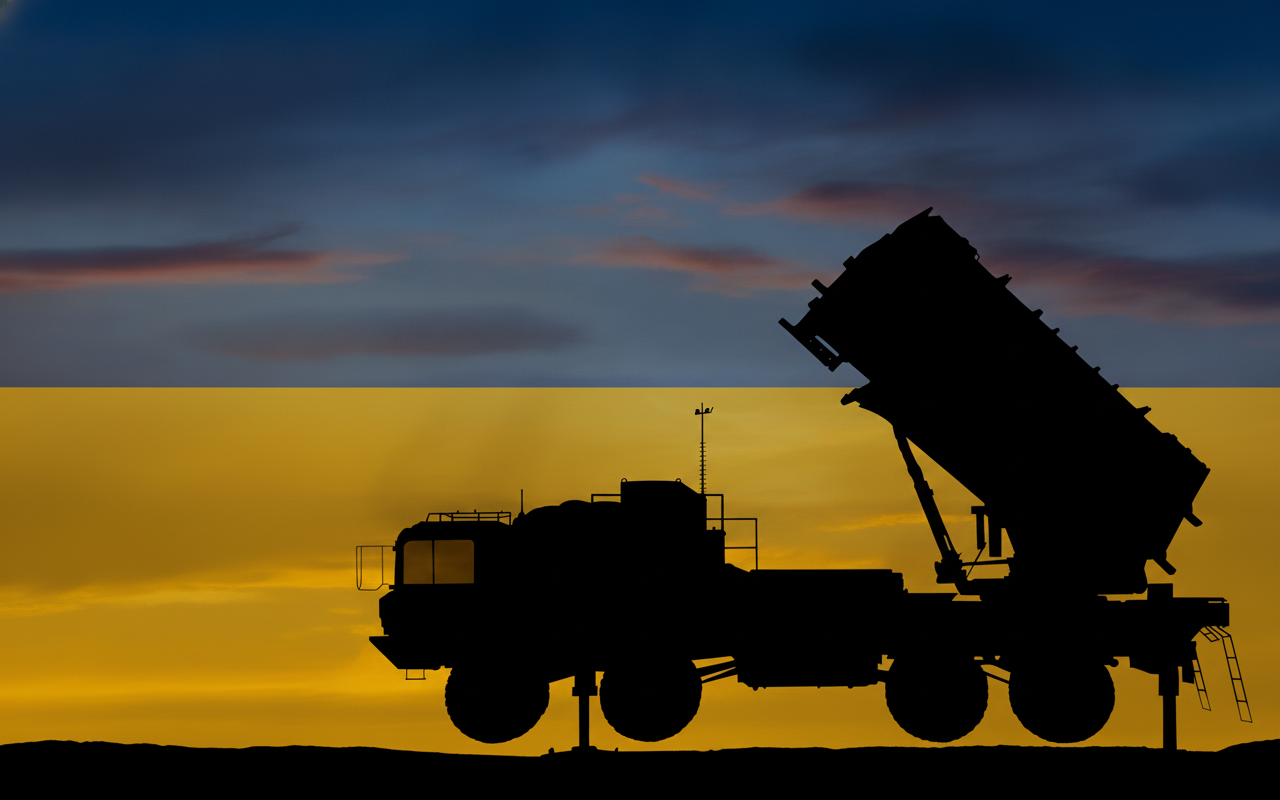
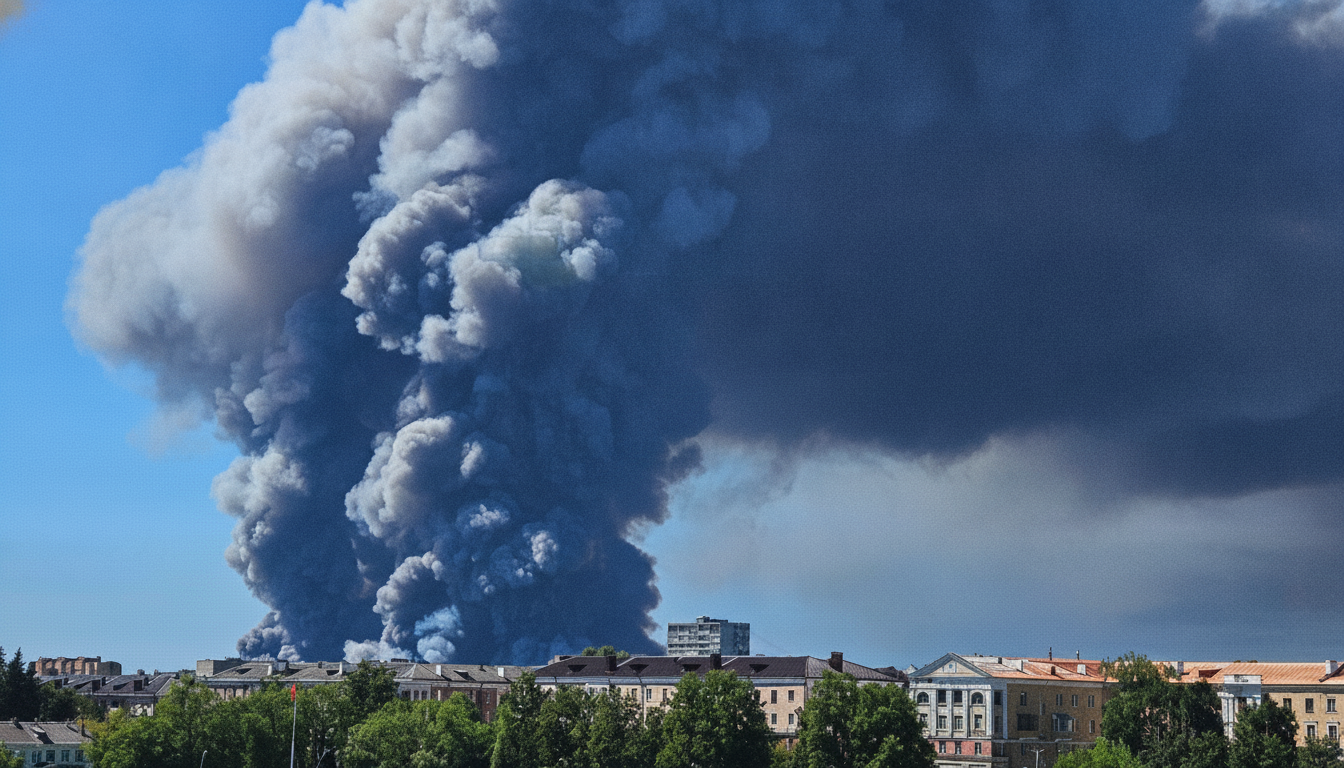
According to ТСН: CNN and BBC reporters reported new airstrikes that occurred near the building of the Ministry of Defense and parliament in La Guaira port, near Caracas, as well as at La Carlota airbase, the Fuerza Tún military base, and the Igerote airport. These strikes were carried out by American troops; Donald Trump had threatened such actions since September 2025, accusing the regime of Venezuelan President Nicolas Maduro of facilitating drug trafficking to the US.

In early September, the USA first attacked a vessel near Venezuela, which, according to the head of the Pentagon, was carrying drugs. The Washington Post reported that since then the USA has confirmed 35 similar strikes in the Caribbean Sea and the western part of the Pacific Ocean. However, it should not be assumed that these decisions were made spontaneously due to Trump's impulsiveness.

Back in March 2020, an American court charged Maduro and his entourage in absentia with drug trafficking and coordinating the activities of drug cartels. In 2025, Trump doubled the reward to $50 million for information that could lead to the arrest of Maduro. That summer, amid the buildup of US military forces in the Caribbean, Maduro sought military assistance from Russia, China, and Iran.

Maduro's regime and its recognized legitimacy

Nicolas Maduro has held the presidency in Venezuela since 2013, after Hugo Chavez, who ruled the country since 1999, died. Chavez sought to strengthen his rule through a new constitution, which granted more powers to the president. However, his policies led to a significant reduction in oil production, and Venezuela lost its status as one of the leading oil-exporting countries, despite having the largest reserves in the world.

Maduro, who was previously vice president, has been subject to US sanctions since 2014 due to human rights violations and election manipulation. The 2018 elections, in which Maduro was re-elected, were not recognized by the international community.

US operation and the reaction of the international community

Since 2018, Maduro's legitimacy as president has not been recognized. In 2019, opposition leader Juan Guaido was recognized as interim president, and in 2024 the new opposition leader was Edmundo Gonzalez.

After the start of American strikes on military facilities in Venezuela, Trump announced the capture of Maduro and the preparation of further actions. The operation was called 'Absolute Resolve'.

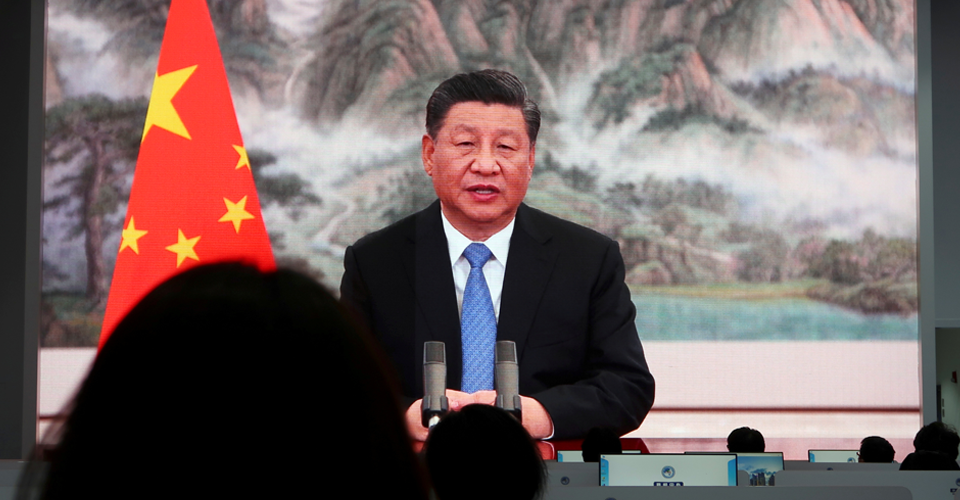
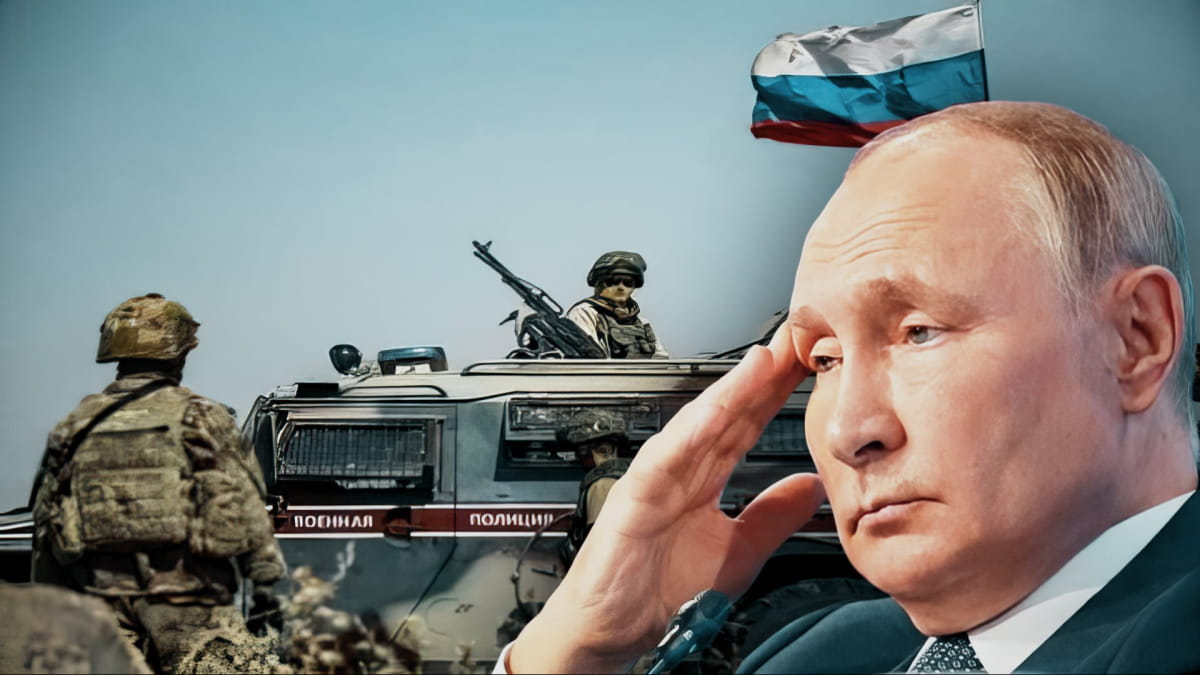
In response to US actions, China and Russia expressed their condemnation. China noted that US actions violate international law, while Russian Foreign Minister Sergei Lavrov expressed solidarity with Venezuela. However, it remains questionable whether Moscow or Beijing can provide real assistance to Maduro's regime.

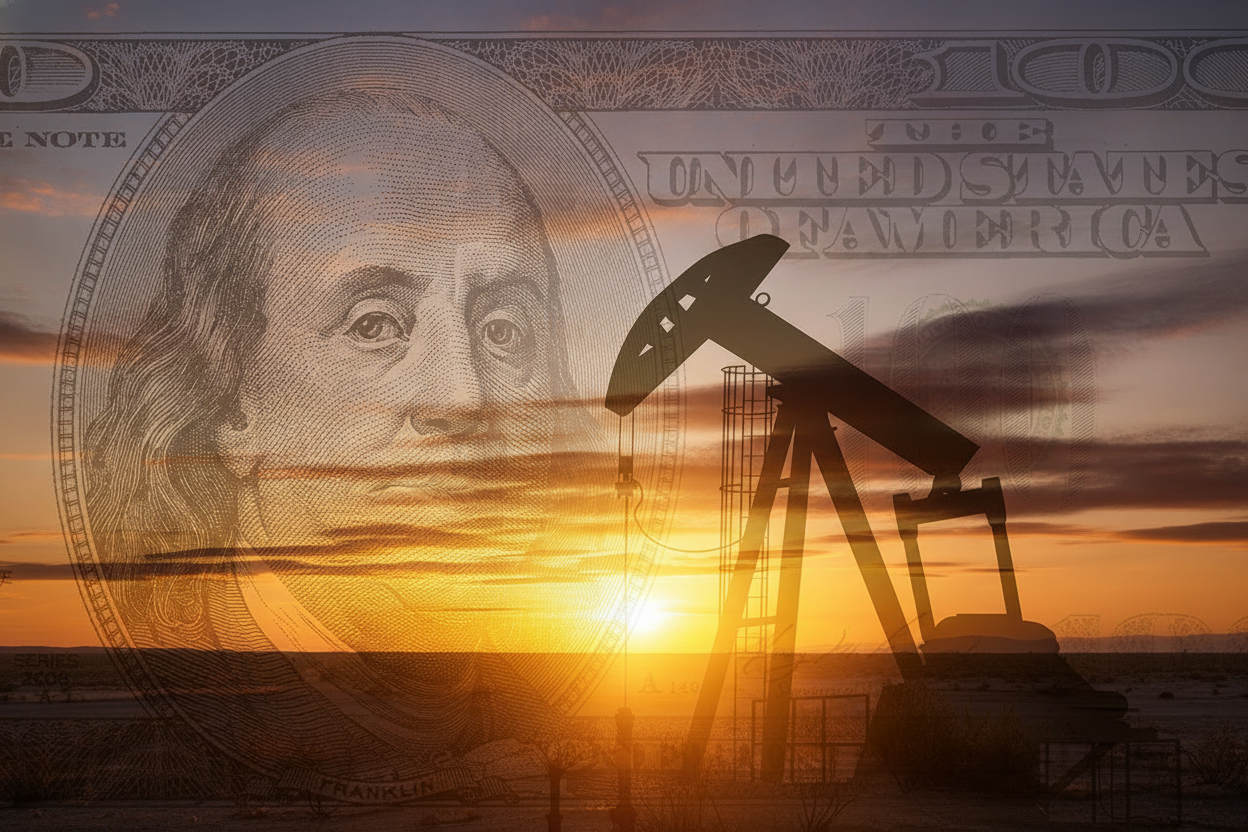
Experts note that the Trump administration seeks to bring American oil companies back to Venezuela, which lost their positions during Chavez's presidency. Trump argues that drug trafficking needs to be stopped and Venezuelan oil resources returned to the USA.

This news reflects the escalation of military tensions between the USA and Venezuela. The situation could lead to new conflicts in the region and marks an escalation of Washington's foreign policy, particularly in the context of the fight against drug trafficking. The role of the international community, especially Russia and China, will also be important in the further dynamics of relations in this conflict.


Read also

Advertising