






How Middle East Tensions Could Deplete Russia's Iranian Ammunition, Affecting Ukraine.
Iran's Regional Conflict and the Consequences for Russia
According to TSN.ua: The escalating conflict in the Middle East presents Russia with a complex strategic challenge. While Moscow risks losing a key ally, it could benefit from a surge in global energy prices. Despite this volatile situation, direct Russian military intervention in Iran is considered unlikely. Crucially, Iran may halt its supply of ammunition to the Russian army, a development that could significantly impact battlefield dynamics in Ukraine. This situation underscores how regional conflicts can have cascading effects on distant wars.
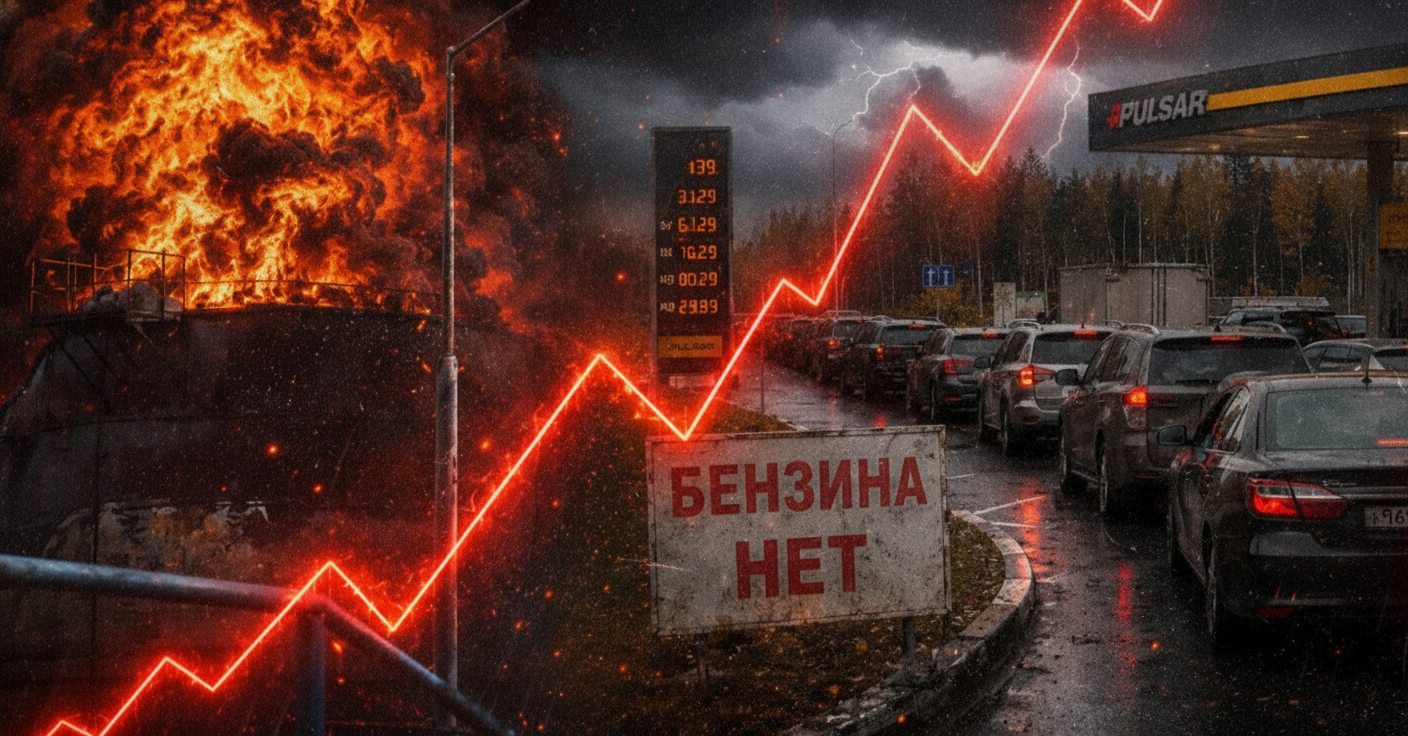
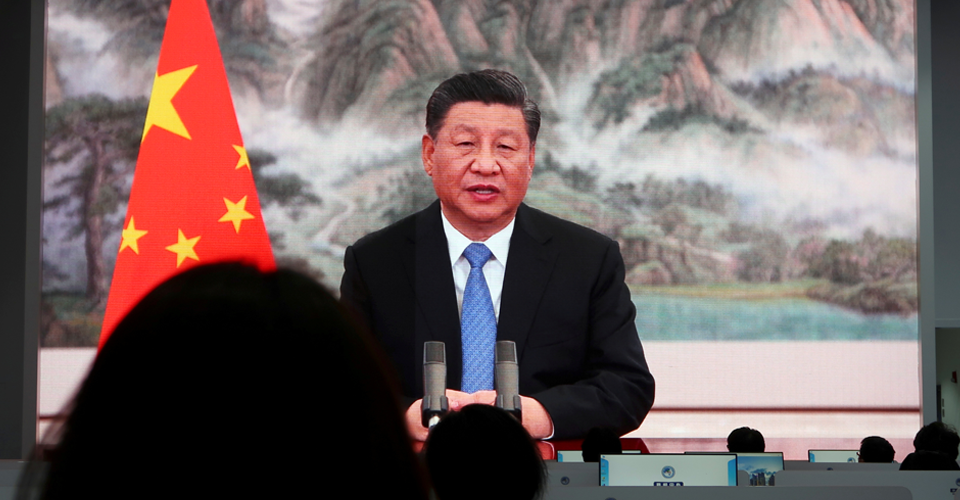
Vladimir Putin, as the Kremlin's leader, is weighing various options in response to the Middle East crisis. This regional instability has already driven up global oil and gas prices, a critical factor for Russia, whose economy is heavily reliant on energy exports.
“What goes to the Middle East may be missing in Ukraine.” - Carlo Masala
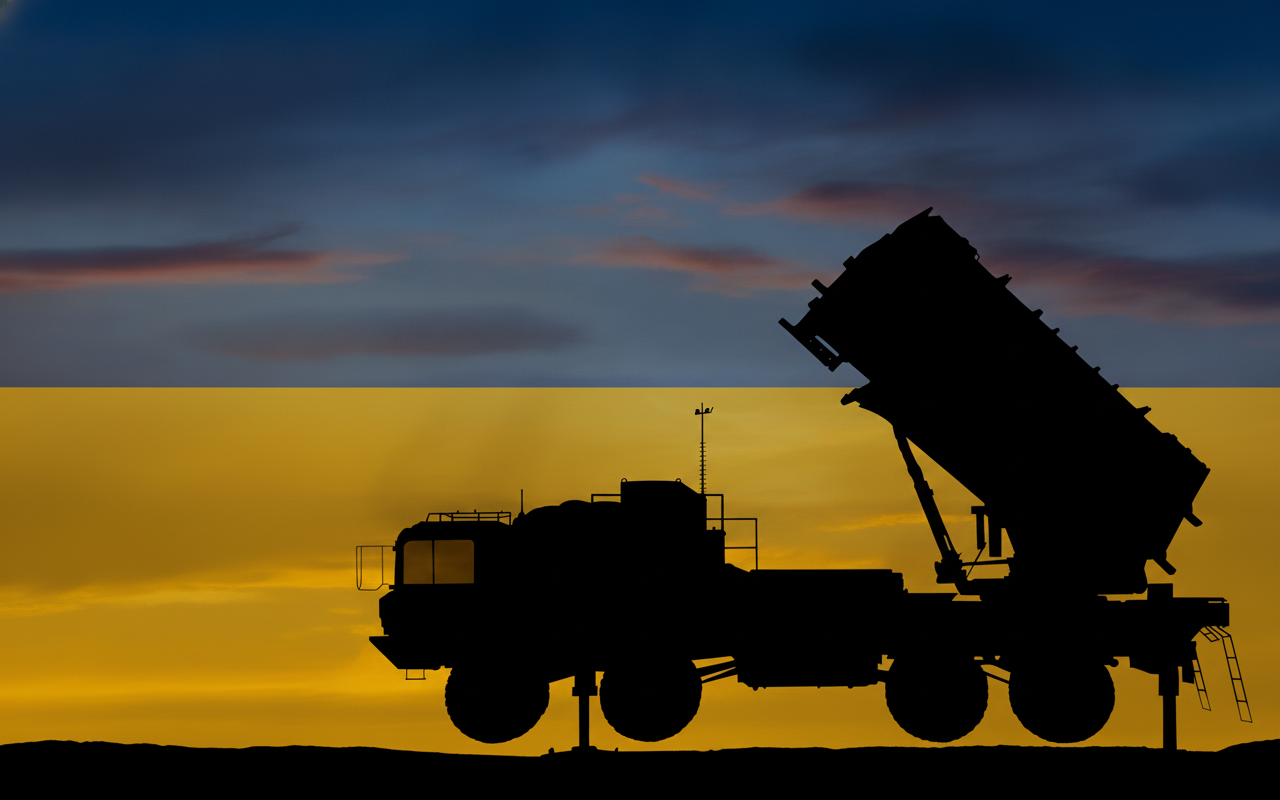
This statement highlights the direct link between the Iranian situation and Russian military capacity. Russia has previously supplied Iran with advanced S-400 air defense systems, demonstrating a deep military partnership. In return, Iran has provided Russia with millions of artillery shells, indicating close defense sector cooperation. However, current events threaten to sever this vital supply line for Moscow's war effort.
Potential Outcomes for Ukraine
The Middle East flare-up could have serious implications for Ukraine, as the loss of Iranian shells would complicate logistics for Russian forces on the front lines. Therefore, the situation in Iran and the broader region has the potential to influence the course of the war in Ukraine and force a revision of Russia's strategic plans. For Ukraine, any disruption to Russia's supply chains could create a critical vulnerability.
In the context of these events, Andrey Kelin, Russia's ambassador to the United Kingdom, may play a key role in shaping international discourse around these interconnected conflicts. Overall, Russia finds itself in a difficult position, needing to balance the risks and opportunities arising from the Iranian crisis and its direct impact on the Ukrainian front.
The Iranian situation and its effect on the Russo-Ukrainian war illustrate the critical importance of international alliances and arms transfers in modern warfare. Losing access to Iranian munitions could degrade Russia's operational capabilities in Ukraine, potentially leading Moscow to reassess its military strategy. Analyzing these events suggests that Russia's future decisions will be heavily dependent on how the situation in Iran and the wider Middle East evolves.
Read also
- Moscow to Host Russia vs. USA Hockey Match Celebrating America’s 250th Anniversary
- Putin Breaks Silence on 'Oreshnik' Missile: What We Know About the Tests
- Putin Threatens Urban Areas with 'Oreshnik' Missile Strikes: Bila Tserkva and Donbas at Risk
- Putin Sets End-of-War Condition: The 'Anchorage Accords'
- Who Could Lead Talks with Russia? Czech Republic and Allies Explore Diplomatic Path
- Latvian Foreign Minister: No Progress in Peace Talks with Russia Unless Putin Revises His Objectives