NATO Chief Warns of Enduring Russian Threat Beyond Ukraine War.

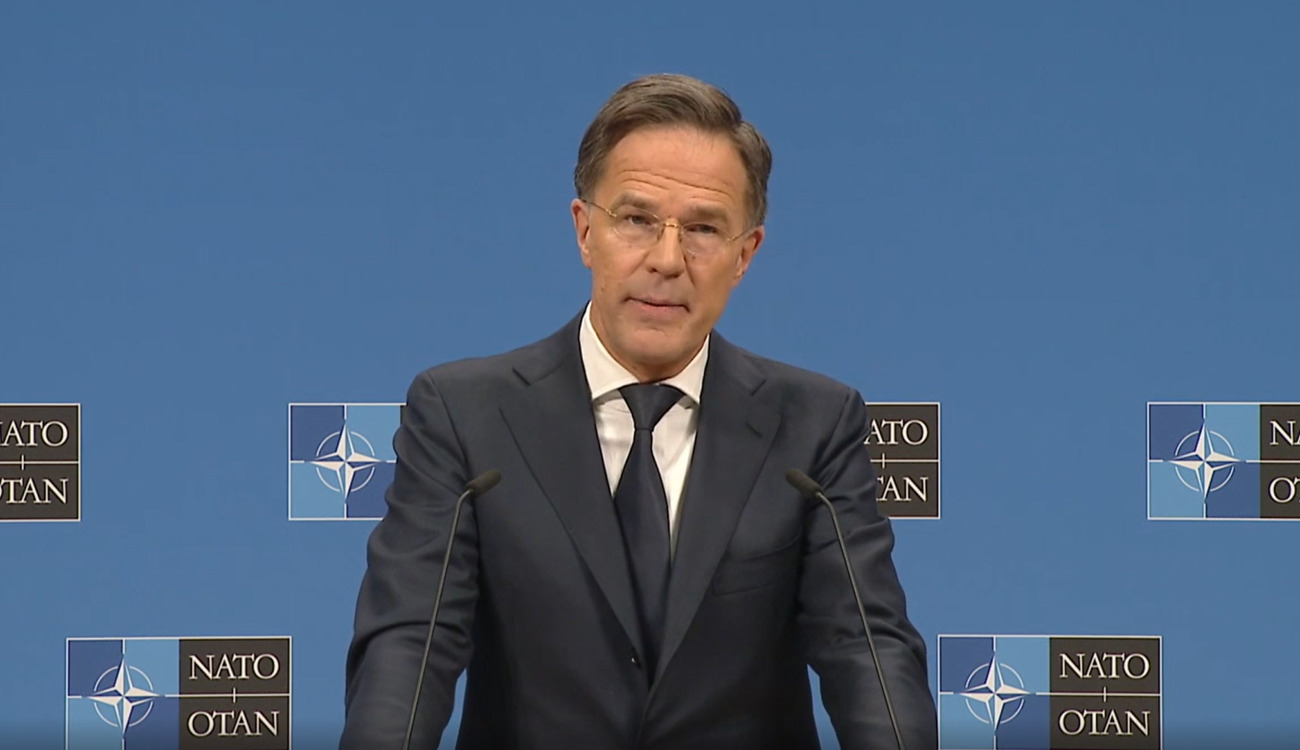
NATO Secretary General's Statement
According to UATV: NATO Secretary General Mark Rutte has stated that Russia will remain a persistent threat to the Alliance even after the war in Ukraine concludes. This underscores the critical need for NATO to maintain vigilance and readiness for future challenges in the region. The ongoing conflict has already exacted a heavy toll on Russian military forces.
Russian Army Casualties
Russian forces suffered approximately 35,000 soldier casualties in December 2022, a figure that rose to 30,000 in January 2026. However, Rutte noted a significant disconnect, stating,
“these losses are not felt in Moscow and St. Petersburg, so the elite may not be confronted with this in the coming days.”This observation suggests that the country's top leadership remains insulated from the direct impact of battlefield losses, a factor that could influence their future strategic calculations.
Consequently, despite the substantial casualties Russia has incurred, the threat it poses to NATO endures. This reality reinforces the Alliance's necessity to preserve its capacity to respond to evolving security dynamics in Europe. Rutte's comments highlight the complex and protracted nature of the challenges stemming from the conflict in Ukraine. The apparent insensitivity of Russia's political elite to military losses complicates regional security planning. This situation makes continued international cooperation and Western support for Ukraine more vital than ever for long-term stability.
Read also
- NATO Summit in Ankara Draws Record 6.8 Million Views from Ukraine
- Who Else Resigned After Fedorov's Dismissal as Defense Minister?
- Trump Predicts Ukraine War Will End During His Presidency, Says Putin Ready for a Deal
- Putin Is Losing the War and Faces a Tough Choice, Expert Warns
- New Security Guarantees for Ukraine on the Agenda as Rutte and Zelensky Meet in Paris on July 13
- NATO Greenlights New Defense Strategy: $70 Billion for Ukraine and Push for 5% GDP Spending