






Russia's 'Molniya' Drone Deployment Intensifies: Countermeasures and Challenges.

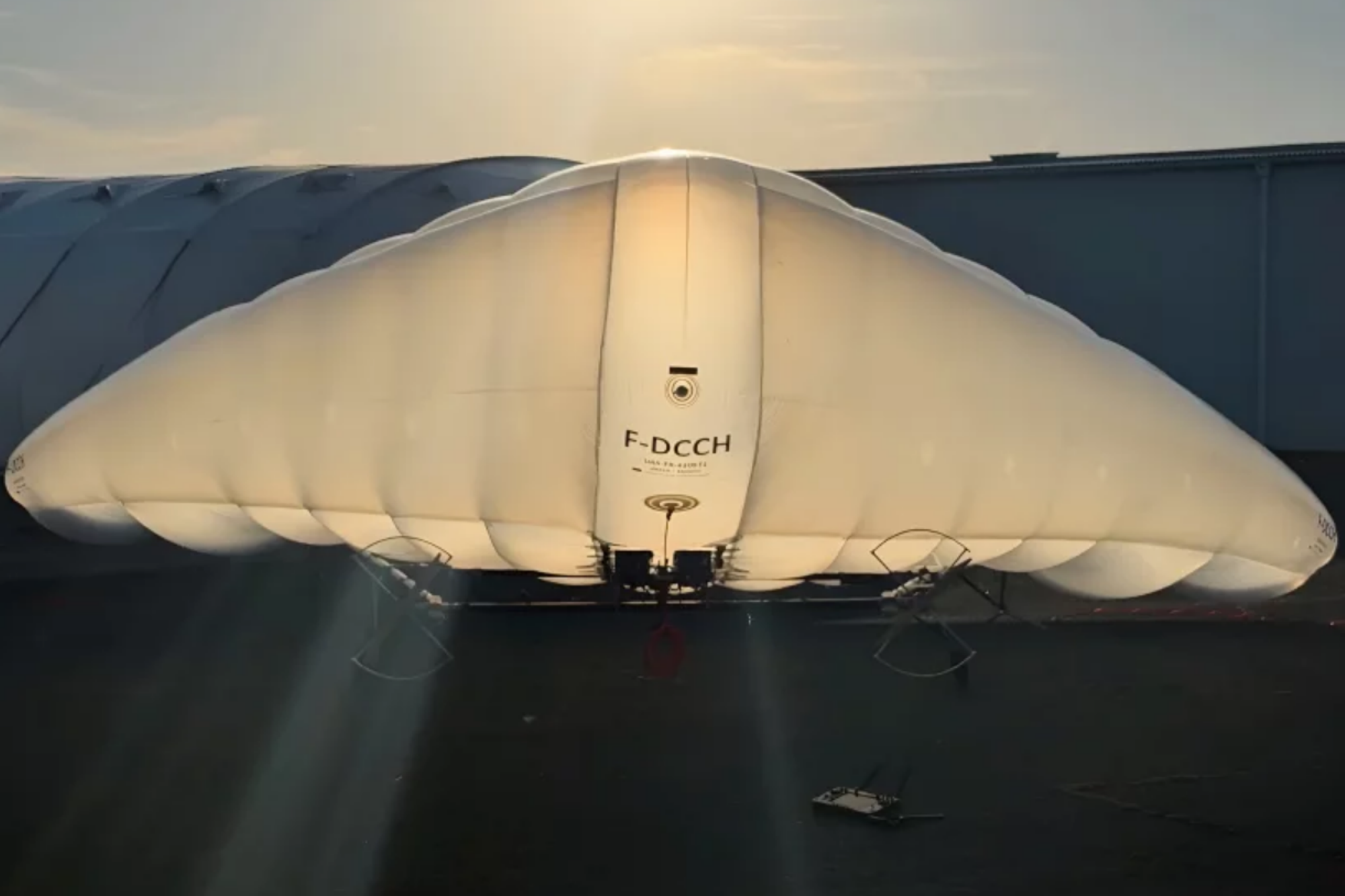
Strike drone 'Molniya' in flight

Understanding the Russian 'Molniya' Drone

According to TSN.ua: Ukrainian forces report a concerning increase in the use of Russian 'Molniya' drones on the front lines. These unmanned aerial vehicles are employed for reconnaissance and strike missions. Operating on a frequency range from 150 MHz to 2800 MHz, the 'Molniya' allows for long-range control, with its command console potentially located 30–60 km from the drone itself, enhancing its operational effectiveness. The proliferation of such drones represents a significant shift in modern warfare tactics, where unmanned systems play a central role.

Based on inexpensive drone platforms, the 'Molniya' enables the Russian military to field new types of reconnaissance drones. They are designed as single-use systems, underscoring their strategic purpose in combat conditions where attrition is expected.

Ukrainian serviceman Serhii 'Flash' Beskrestnov highlights the difficulties in countering these drones: 'We cannot effectively counter these drones.'

Nevertheless, he notes that 'the situation is not critical,' indicating that measures can be taken to improve defensive capabilities.

The growing deployment of 'Molniya' drones and their evolving tactics require Ukrainian forces to adapt and refine their countermeasures to ensure effective defense in contemporary combat scenarios.

How Ukrainian Forces Are Adapting to the New Threat

The use of 'Molniya' drones illustrates the evolution of battlefield tactics, where UAVs have become crucial tools for intelligence gathering and attacks. Ukrainian military adaptation to these new threats may involve several key areas:

  • Implementing new technologies and strategies to enhance defensive capabilities;
  • Developing advanced air defense systems;
  • Employing electronic warfare to degrade the effectiveness of Russian drones in combat.

Read also

Advertising